Axis Punishments of WW2
TL;DR
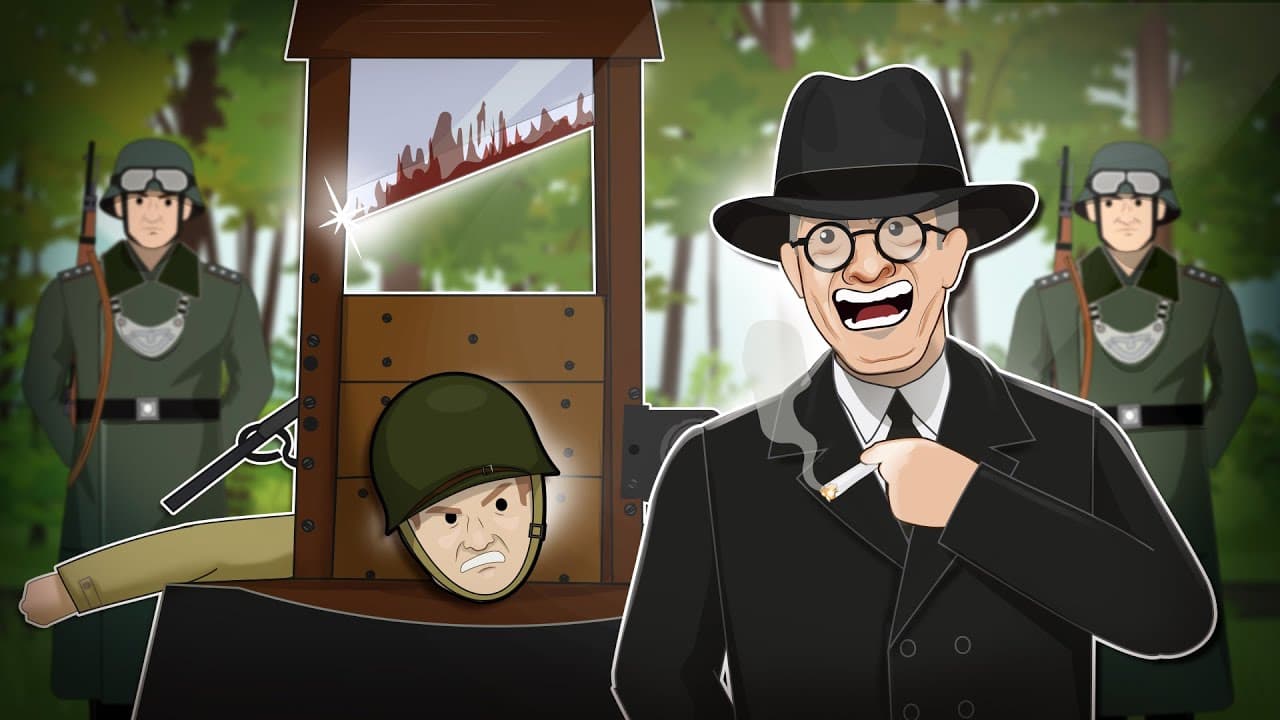
Axis powers committed horrific war crimes, including medical experiments and executions using methods such as the guillotine, while the Japanese used beheading, mutilation, and dissection on their captives.
Transcript
Nazi and Japanese executions in World War II the world may never know the full extent of the war crimes committed by the Axis powers in World War II documents like those pertaining to the horrific medical experiments at Unit 731 for example have been expunged from history hiding some of the worst atrocities that took place but information on how th... Read More
Key Insights
- 🇩🇪 Nazi Germany widely used the guillotine as their preferred method of execution, with thousands of death sentences carried out by Johan Reichhart.
- 😀 Resistance fighters and opponents of the Nazi regime, such as Mildred Fish Harach and the White Rose group, faced the guillotine.
- 🌠 The Allies also employed various execution methods, including hanging, shooting, and beheading.
- 🫒 The Japanese were known for their brutal methods of execution, such as beheading, mutilation, and live dissection.
- 🏣 The Japanese engaged in cannibalism, with General Tachi banam and Admiral Mory being notable proponents.
- 📈 Japanese prisoners of war were often executed by beheading, even after the Pacific War ended.
- 🙂 Instances of cannibalism and live dissections by the Japanese were only brought to light years after World War II.
Install to Summarize YouTube Videos and Get Transcripts
Explore YouTube Video Summarizer or Get YouTube Transcript Extractor
Questions & Answers
Q: What were some of the methods of execution used by the Nazis during World War II?
The Nazis used the guillotine as their preferred method of execution, with Hitler's chief executioner, Johan Reichhart, carrying out thousands of deaths. Resistance fighters and opponents of the Nazi regime, such as Mildred Fish Harach and the White Rose group, faced the guillotine.
Q: How did the Allies execute prisoners during the war?
The Allies used methods such as hanging and shooting for execution. Resistance fighters and rebels faced these methods, such as Honey Schaft, who was shot by Dutch Nazi officials for her activities against the Nazi occupiers.
Q: What were some of the brutal methods employed by the Japanese during World War II?
The Japanese employed methods such as beheading, mutilation, and dissection on their captives. Instances of live dissection, forced contorted positions, and cannibalism were reported. General Tachi banam and Admiral Mory were known for their involvement in cannibalism.
Q: How were Japanese prisoners of war executed after the Pacific War ended?
Even after the Pacific War ended, some captured Allied airmen were executed by beheading, which was the Japanese's preferred choice of execution. Lieutenant heroji Nakayama is known to have instructed other officers on the correct procedure for beheading.
Summary & Key Takeaways
-
The Axis powers, particularly the Nazis, committed war crimes during World War II, including horrific medical experiments at Unit 731 and executions using the guillotine.
-
Resistance fighters, political dissidents, and prisoners of war were often the targets of these executions, with notable individuals such as Mildred Fish Harach and the White Rose group facing the guillotine.
-
The Allies also used methods such as hanging and shooting for execution, while the Japanese employed brutal methods like beheading, mutilation, and dissection on their captives.
Read in Other Languages (beta)
Share This Summary 📚
Summarize YouTube Videos and Get Video Transcripts with 1-Click
Try YouTube Summary with ChatGPT & Claude or YouTube Transcript Generator
Explore More Summaries from Simple History 📚

Summarize YouTube Videos and Get Video Transcripts with 1-Click
Try YouTube Summary with ChatGPT & Claude or YouTube Transcript Generator