What Are the Most Dreadful Sounds of War?
TL;DR
Sonic weapons like the Aztec death whistle and LRAD instill fear without causing physical harm. Historical examples reveal how terrifying sounds, from the Stuka's sirens to ghost tapes in Vietnam, were strategically used to demoralise opponents and manipulate psychological responses.
Transcript
psychological Sonic weapons some weapons are not designed to kill or maim the enemy but rather to instill fear if done effectively frightens soldiers no longer wish to fight but instead flee the horrors of combat a key component often built into these weapons of fear is the noise they create with many specifically designed to trigger psychological ... Read More
Key Insights
- 😨 Psychological sonic weapons are designed to instill fear and intimidate enemies, rather than physically harm them.
- 🎺 Historical examples, such as the Aztec death whistle and the trumpets of Jericho, used intense noise to create psychological effects during combat.
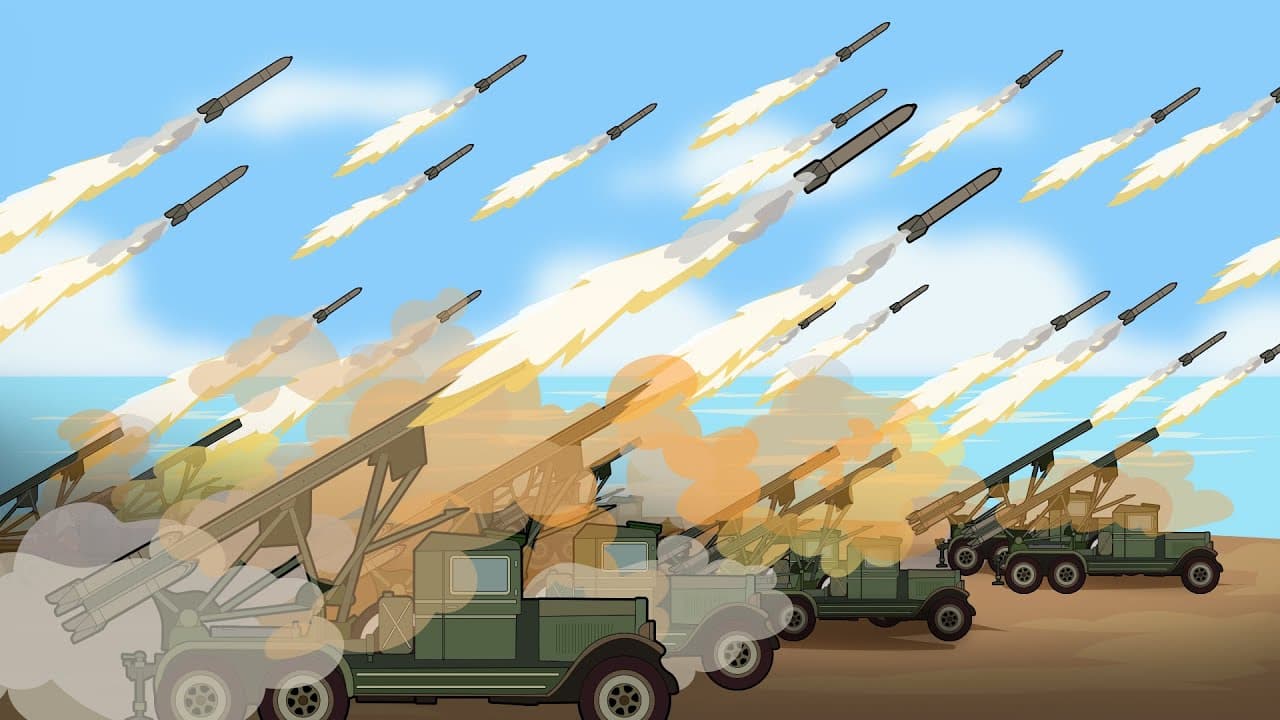
- 🔫 Accidental psychological effects of weapons, like Stalin's organs (BM-13 Katusha), can cause panic and terrorize enemy forces.
- 😒 The exploitation of cultural beliefs, as seen in the use of ghost tapes during the Vietnam War, demonstrates the psychological manipulation of sound-based weapons.
Install to Summarize YouTube Videos and Get Transcripts
Explore YouTube Video Summarizer or Get YouTube Transcript Extractor
Questions & Answers
Q: How were the Aztec death whistles used as weapons?
The Aztec death whistle, with its horrifying scream, was likely blown by Aztec warriors during battles to terrify and intimidate the enemy. The noise produced by the whistles was effective in creating a sense of fear and horror, potentially causing soldiers to flee.
Q: Why were the trumpets of Jericho installed on German Stuka dive bombers?
The trumpets of Jericho, two propeller-driven sirens, were installed on Stuka dive bombers to create a loud screaming sound when the aircraft dived. This sound was aimed at intimidating and disorienting enemy soldiers. However, the sirens also affected German pilots, as they found the noise disturbing during complicated diving procedures.
Q: How did the BM-13 Katusha rocket launcher instill fear in the opposition?
The BM-13 Katusha rocket launcher produced a haunting sound as the rockets were launched with brutal efficiency. The distinct sound, resembling hissing, terrified German troops. One salvo from four Katushas would detonate tons of explosives in a limited area, creating chaos and panic among the enemy.
Q: How did the US exploit Vietnamese beliefs with ghost tapes during the Vietnam War?
American soldiers created recordings of ominous sounds and voices that imitated the wandering souls of fallen Vietcong soldiers. These recordings, known as ghost tapes, were played to create fear and psychological impact among the Vietnamese soldiers. However, the operation was later canceled when the enemy realized it was a recording.
Summary & Key Takeaways
-
The Aztec death whistle, discovered in Mexico City, was likely used both for human sacrifices and as a weapon of war due to its horrifying scream.
-
The trumpets of Jericho, installed on German Stuka dive bombers during World War II, produced a loud screaming sound that disrupted enemy soldiers and even disturbed German pilots.
-
Stalin's organs, the Soviet BM-13 Katusha rocket launcher, unintentionally instilled fear in the opposition with its haunting sound, leading to panic and withdrawal.
-
During the Vietnam War, the US used recordings of ominous sounds and voices, known as ghost tapes, to exploit Vietnamese beliefs about wandering souls.
-
The LRAD, initially denied as a weapon, is a sound cannon that can cause pain, disorientation, and even hearing damage, often used by police and military forces.
Read in Other Languages (beta)
Share This Summary 📚
Summarize YouTube Videos and Get Video Transcripts with 1-Click
Try YouTube Summary with ChatGPT & Claude or YouTube Transcript Generator
Explore More Summaries from Simple History 📚

Summarize YouTube Videos and Get Video Transcripts with 1-Click
Try YouTube Summary with ChatGPT & Claude or YouTube Transcript Generator