Beer Brewing - Roger Casement - Surviving Aces I OUT OF THE TRENCHES
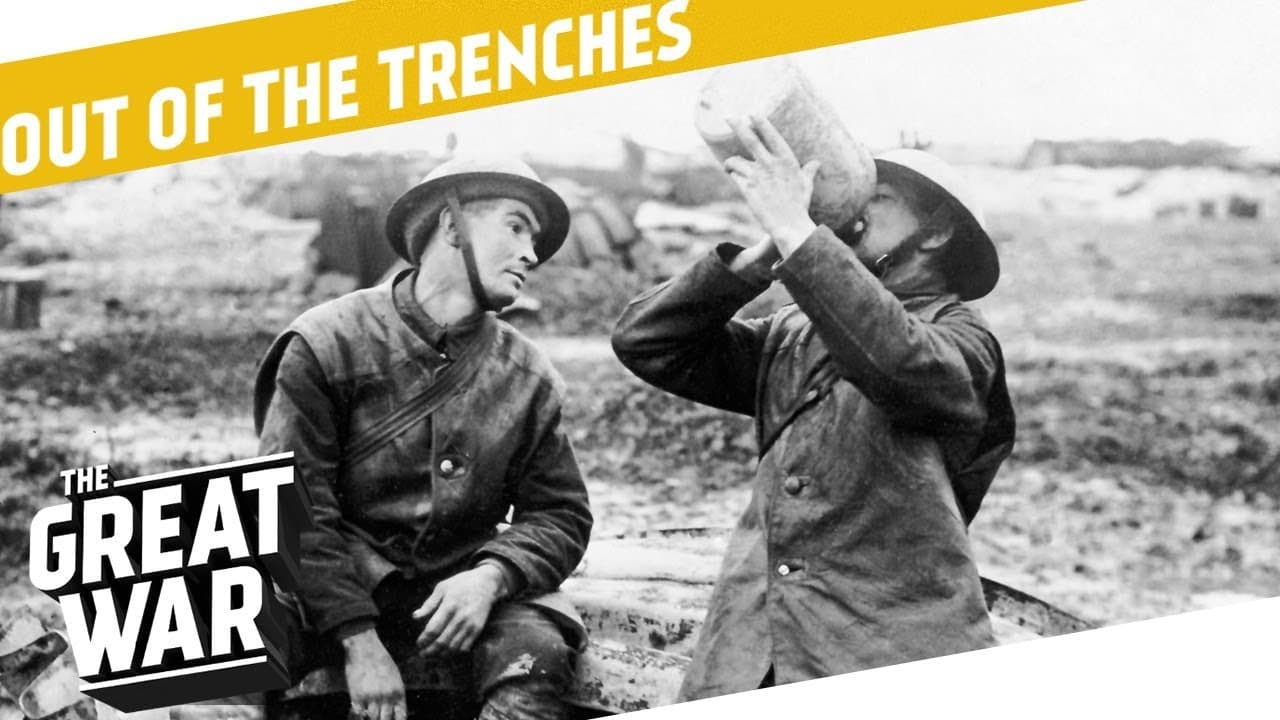
TL;DR
Discusses WWI gas use, flying aces, and beer production.
Transcript
i'm indy neidell and this is out of the trenches where i sit here in my chair of wisdom and answer all your questions about the first world war and you can now ask those questions at our official out of the trenches website which is out of the trenches dot the great war dot TV Jeffrey Smith asks hello Indy I was hoping you could answer a question t... Read More
Key Insights
- The use of poison gas by Germany in WWI was controversial, with arguments over its legality under the Hague treaty. The Germans claimed it was not a war crime as they used gas projectors instead of chemical shells.
- While Germany was the first to use deadly gas, the French were the first to use chemical weapons in WWI, deploying tear gas grenades in 1914, though they had little effect.
- Several notable WWI flying aces survived the war, including American ace Eddie Rickenbacker and German ace Ernst Udet, who became prominent figures post-war.
- Sir Roger Casement's attempt to form an Irish Brigade from Irish POWs in Germany was largely unsuccessful, with only 52 volunteers due to the potential death penalty for treason if Britain won.
- Beer production during WWI varied by country; in Britain, alcohol was heavily regulated, while in Germany, food shortages impacted beer availability, and Oktoberfest was canceled.
- In Britain, the Central Control Board reduced pub and brewery hours, and beer prices doubled due to heavy taxation, reflecting a national effort to conserve resources for the war effort.
- Despite regulations, alcohol remained a significant part of military life, with rum rations common for soldiers in the trenches, highlighting the importance of alcohol for morale.
- French breweries increased beer production during the war to meet British demand, often watering down their products to reduce drunkenness among soldiers.
Install to Summarize YouTube Videos and Get Transcripts
Explore YouTube Video Summarizer or Get YouTube Transcript Extractor
Questions & Answers
Q: Why was the use of poison gas by Germany controversial?
The use of poison gas by Germany was controversial because it was seen as a violation of the Hague treaty, which banned chemical shells. Germany argued that using gas projectors was not technically a war crime. This action opened the floodgates for chemical weapon use by the Allies, despite initial criticism.
Q: Who were some notable WWI flying aces that survived the war?
Notable WWI flying aces who survived include American ace Eddie Rickenbacker, who claimed 26 aerial victories, and German ace Ernst Udet, who scored 62 confirmed victories. Udet later became the director-general of equipment for the Luftwaffe during WWII but struggled with mental health and substance abuse.
Q: What was Sir Roger Casement's plan for the Irish Brigade?
Sir Roger Casement planned to form an Irish Brigade from Irish POWs in Germany, hoping to use them as an ally to Irish nationalists. Despite securing a German declaration of support, only 52 out of over 2,000 POWs volunteered, likely due to the risk of being labeled traitors if Britain won the war.
Q: How did beer production differ between countries during WWI?
Beer production during WWI varied significantly. In Britain, alcohol was heavily regulated, with reduced pub hours and increased prices. In Germany, food shortages affected beer availability. Conversely, French breweries increased production to meet British demand, often watering down their beer to reduce drunkenness.
Q: What role did alcohol play in military life during WWI?
Alcohol played a crucial role in military life during WWI, serving as a morale booster. Soldiers were often given rum rations, especially before going over the top in battle. Despite regulations, alcohol consumption was largely tolerated, as it was seen as essential for coping with the harsh conditions of trench warfare.
Q: How did the British government regulate alcohol during WWI?
The British government regulated alcohol through the Central Control Board, which reduced pub and brewery hours to five and a half hours a day. Beer prices doubled due to heavy taxation, and it became illegal to buy a whole round, reflecting efforts to conserve resources for the war effort.
Q: Why was Oktoberfest canceled during WWI?
Oktoberfest was canceled during WWI due to the severe food shortages and the need to prioritize resources for the war effort. The British naval blockade significantly impacted Germany, leading to rationing of food and alcohol, making large public celebrations like Oktoberfest unsustainable.
Q: What was the impact of the British naval blockade on German beer production?
The British naval blockade had a significant impact on German beer production by causing food shortages that prioritized basic food needs over alcohol production. This led to reduced availability of beer and other alcoholic beverages for soldiers, as resources like barley and potatoes were redirected to food production.
Summary & Key Takeaways
-
The video discusses the controversial use of poison gas by Germany during WWI, addressing its legality and the subsequent adoption of chemical weapons by the Allies. It highlights the misconception that Germany was the first to use chemical weapons.
-
Several WWI flying aces who survived the war are mentioned, including Eddie Rickenbacker and Ernst Udet. The video also covers Sir Roger Casement's failed attempt to recruit an Irish Brigade from POWs in Germany.
-
The production and regulation of beer during WWI are explored, noting differences between countries. In Britain, alcohol was heavily regulated, while in Germany, food shortages impacted beer production. French breweries increased output to meet British demand.
Read in Other Languages (beta)
Share This Summary 📚
Summarize YouTube Videos and Get Video Transcripts with 1-Click
Try YouTube Summary with ChatGPT & Claude or YouTube Transcript Generator
Explore More Summaries from The Great War 📚

Summarize YouTube Videos and Get Video Transcripts with 1-Click
Try YouTube Summary with ChatGPT & Claude or YouTube Transcript Generator