How Did Austria-Hungary Surprise Italy in WWI?
TL;DR
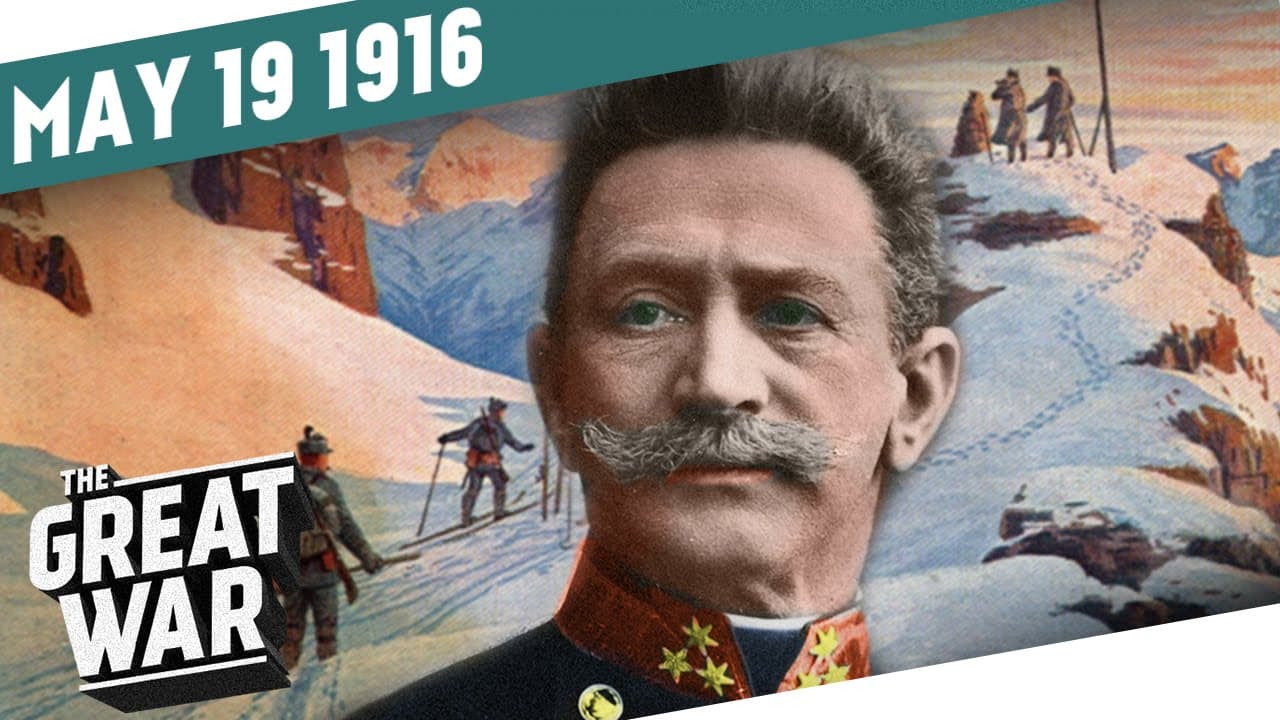
Conrad von Hötzendorf of Austria-Hungary orchestrated a surprise offensive against Italy despite widespread knowledge of the plan. Italian Chief of Staff Luigi Cadorna dismissed warnings, leading to a successful Austro-Hungarian attack that caught the Italians off guard. This misjudgment resulted in significant Italian retreats and losses.
Transcript
The Italian front has been active in bursts for the past year. All of the big actions being Italian offensives. That pattern changes this week, for this week the Austro-hungarian Empire strikes back. I'm Indy Neidell, welcome to the Great War. Last week began the death march from Kut Al Amara when the 12.000 British and Indian troops who had surren... Read More
Key Insights
- Conrad von Hötzendorf planned an offensive against Italy, aiming to cut their supply lines and force a surrender.
- Despite clear signs of an Austro-Hungarian buildup, Italian Chief of Staff Luigi Cadorna dismissed the threat.
- Cadorna's refusal to heed warnings led to a surprise attack that overran Italian lines.
- The Austro-Hungarian offensive began on May 15, 1916, with significant artillery support.
- Italian forces were forced to retreat, with Austrians capturing 6,300 prisoners.
- The Italian leadership's failure to act on intelligence resulted in a costly military setback.
- General Joseph Joffre of France faced internal challenges, affecting French military strategies.
- American pilots began participating in WWI, marking the start of the Escadrille Lafayette's involvement.
Install to Summarize YouTube Videos and Get Transcripts
Explore YouTube Video Summarizer or Get YouTube Transcript Extractor
Questions & Answers
Q: How did Austro-Hungarian forces surprise Italy during WWI?
Austro-Hungarian forces, led by Conrad von Hötzendorf, surprised Italy by launching a well-planned offensive despite widespread knowledge of the buildup. Italian Chief of Staff Luigi Cadorna dismissed the threat as a bluff, ignoring warnings and intelligence, which led to the Austrians catching the Italians off guard and forcing them into retreat.
Q: What was Conrad von Hötzendorf's strategy against Italy?
Conrad von Hötzendorf's strategy involved launching a surprise offensive from the Tyrol region towards the sea to cut Italian supply lines. He aimed to force Italy into surrender by massing troops and artillery, despite the risk of exposure, and hoped to secure a strategic advantage by shortening the front and freeing up troops for other fronts.
Q: Why did Luigi Cadorna dismiss the threat of an Austro-Hungarian attack?
Luigi Cadorna dismissed the threat of an Austro-Hungarian attack because he believed the Austrians were engaged in a purely defensive war. He ignored detailed intelligence and warnings from his generals and even Austrian deserters, considering the buildup a bluff, which ultimately led to a surprise attack and significant Italian losses.
Q: What were the consequences of the Austro-Hungarian offensive for Italy?
The Austro-Hungarian offensive led to significant consequences for Italy, including the retreat of Italian forces, the capture of 6,300 Italian prisoners, and the loss of key positions. The surprise attack exposed the weaknesses in Italian leadership and decision-making, resulting in a costly setback that required urgent strategic adjustments.
Q: How did the Austro-Hungarian offensive affect Italian military leadership?
The Austro-Hungarian offensive exposed critical flaws in Italian military leadership, particularly in Luigi Cadorna's decision-making. His refusal to act on intelligence and dismissals of warnings led to a surprise attack, forcing Italian forces into retreat and highlighting the need for better strategic planning and communication within the Italian command.
Q: What role did press coverage play in the Austro-Hungarian offensive?
Press coverage played a significant role by accurately reporting the Austro-Hungarian troop buildup, which was largely ignored by Italian leadership. Despite the widespread availability of this information, Italian Chief of Staff Luigi Cadorna dismissed it as propaganda, contributing to the surprise and success of the Austro-Hungarian offensive.
Q: How did the French military leadership respond to challenges during this period?
French military leadership, under General Joseph Joffre, faced internal challenges, including a rift with General Philippe Pétain over military strategy at Verdun. Joffre's decision to promote Pétain instead of dismissing him was a strategic move to maintain morale and leadership stability, despite disagreements over resource allocation and defensive versus offensive strategies.
Q: What was the significance of the Escadrille Lafayette's involvement in WWI?
The Escadrille Lafayette's involvement in WWI marked the beginning of American participation in the air war over France. Composed of American volunteers, the squadron's achievements, such as Kiffin Rockwell's aerial victories, demonstrated the growing international cooperation and the impact of American pilots in the conflict, contributing to the Allied war effort.
Summary & Key Takeaways
-
Conrad von Hötzendorf's plan to attack Italy involved massing troops and artillery for a surprise offensive. Despite clear signs and press coverage of the buildup, Italian Chief of Staff Luigi Cadorna dismissed the threat as a bluff. This miscalculation allowed Austro-Hungarian forces to catch the Italians off guard, resulting in significant retreats and the capture of thousands of Italian soldiers.
-
The Austro-Hungarian offensive, starting on May 15, 1916, was a strategic attempt to cut Italian supply lines and force a surrender. Cadorna's skepticism and failure to act on intelligence reports led to a rapid Austro-Hungarian advance, overwhelming Italian defenses and causing a major setback for Italy.
-
The video also highlights internal challenges within the French military leadership, affecting their WWI strategies. Meanwhile, American pilots began participating in the conflict, with the Escadrille Lafayette marking the start of American involvement in the air war over France.
Read in Other Languages (beta)
Share This Summary 📚
Summarize YouTube Videos and Get Video Transcripts with 1-Click
Try YouTube Summary with ChatGPT & Claude or YouTube Transcript Generator
Explore More Summaries from The Great War 📚
Summarize YouTube Videos and Get Video Transcripts with 1-Click
Try YouTube Summary with ChatGPT & Claude or YouTube Transcript Generator