How Blockchain Can Revolutionize Supply Chains
TL;DR
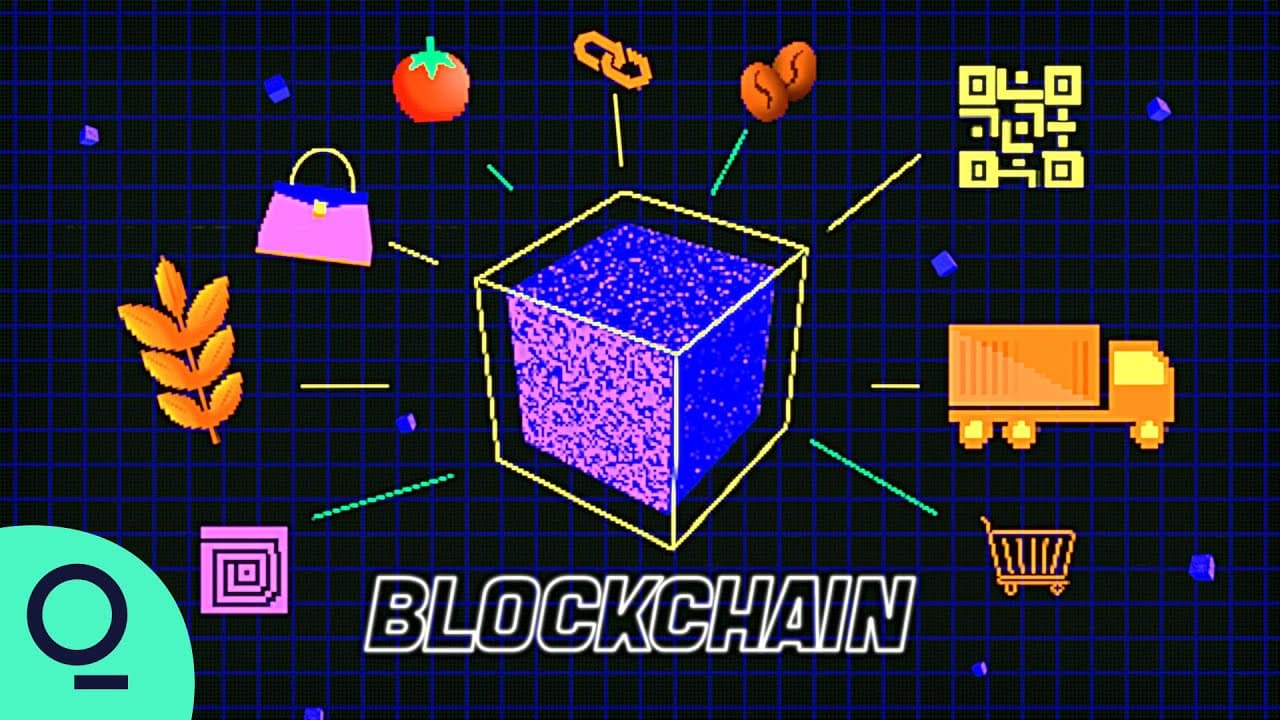
Blockchain technology can transform supply chains by providing transparency and reducing inefficiencies. It allows for secure tracking of products from origin to consumer, benefiting both brands and smallholder farmers. However, blockchain's success depends on the accuracy of data input and its adoption by industry stakeholders.
Transcript
Supply chains have grown increasingly more complex, and they are very much global. Think about your iPhone for example. It's designed in California, but components are sourced from suppliers in 43 different countries, across six continents. These parts go through their own manufacturing processes, which involve a number of different transactions an... Read More
Key Insights
- Supply chains are complex and often rely on inefficient paper records.
- Blockchain offers a secure way to trace product origins and transactions.
- Blockchain's decentralized nature reduces data tampering risks.
- Smart contracts automate transactions based on predefined conditions.
- Blockchain can enhance transparency and reduce corruption in supply chains.
- Brands are adopting blockchain to meet consumer demand for traceability.
- Blockchain is not a complete solution and depends on data accuracy.
- Consumer demand for transparency drives blockchain adoption in industries.
Install to Summarize YouTube Videos and Get Transcripts
Explore YouTube Video Summarizer or Get YouTube Transcript Extractor
Questions & Answers
Q: How does blockchain improve supply chain transparency?
Blockchain improves supply chain transparency by securely tracking and recording every transaction and movement of a product from its origin to the consumer. This decentralized ledger technology ensures that all participants have access to the same data, reducing the risk of fraud and tampering. It allows consumers and brands to verify the authenticity and ethical sourcing of products, thereby increasing trust and accountability in supply chains.
Q: What are the benefits of using blockchain in supply chains?
The benefits of using blockchain in supply chains include enhanced transparency, reduced inefficiencies, and improved traceability of products. Blockchain provides a secure and tamper-proof record of transactions, which helps in building trust among stakeholders. It also enables the automation of processes through smart contracts, reducing costs and increasing operational efficiency. Additionally, it empowers smallholder farmers by providing them with digital records that can improve their access to financial services.
Q: How does blockchain technology work in supply chains?
Blockchain technology in supply chains works by creating a decentralized and immutable ledger that records every transaction and movement of a product. Each participant in the network holds a copy of the ledger, ensuring data consistency and security. When a new transaction occurs, a new block of data is created, encrypted, and added to the chain. This block is then distributed across the network, making it accessible to all participants and ensuring transparency and traceability.
Q: What role do smart contracts play in blockchain supply chains?
Smart contracts in blockchain supply chains automate transactions by executing predefined conditions without the need for intermediaries. These digital agreements are self-executing and ensure that transactions occur only when specific criteria are met, such as a product crossing a border or reaching a certain price. This automation enhances efficiency, reduces human error, and ensures fair and timely execution of agreements, benefiting all parties involved in the supply chain.
Q: Why is data accuracy important in blockchain supply chains?
Data accuracy is crucial in blockchain supply chains because the integrity and reliability of the blockchain depend on the quality of the data entered. Inaccurate or false data can lead to incorrect records and undermine the trust and transparency that blockchain aims to provide. Ensuring high-quality data input is essential for the successful implementation of blockchain technology, as it directly affects the system's ability to provide verifiable and trustworthy information.
Q: How can blockchain reduce corruption in supply chains?
Blockchain can reduce corruption in supply chains by providing a transparent and tamper-proof record of all transactions and movements. This decentralized ledger ensures that all participants have access to the same data, making it difficult for any single entity to alter or manipulate records for fraudulent purposes. By eliminating the need for intermediaries and creating a trusted environment, blockchain minimizes opportunities for corruption and enhances accountability among supply chain participants.
Q: What challenges does blockchain face in supply chain implementation?
Blockchain faces several challenges in supply chain implementation, including the need for accurate data entry, industry-wide adoption, and integration with existing systems. The technology requires significant investment and collaboration among stakeholders to establish standardized practices. Additionally, the complexity and cost of verification systems to ensure data quality can be barriers to adoption. Despite these challenges, the potential benefits of blockchain in enhancing transparency and efficiency make it a promising solution for supply chain management.
Q: How does consumer demand influence blockchain adoption in supply chains?
Consumer demand for transparency and traceability significantly influences blockchain adoption in supply chains. As consumers become more conscious of ethical sourcing and sustainability, they seek assurance that products are genuine and responsibly produced. Brands respond to this demand by integrating blockchain technology to provide verifiable information about product origins and supply chain practices. This consumer-driven demand for trust and accountability encourages industries to adopt blockchain as a tool for enhancing transparency and meeting customer expectations.
Summary & Key Takeaways
-
Blockchain technology provides a secure and efficient way to trace products through complex supply chains, offering transparency and reducing inefficiencies. It benefits both brands and smallholder farmers by ensuring traceability and fair transactions.
-
The decentralized nature of blockchain reduces the risk of data tampering and fraud, while smart contracts automate transactions when conditions are met. This enhances operational efficiency and builds trust among supply chain participants.
-
Despite its potential, blockchain's success relies on accurate data entry and industry-wide adoption. Consumer demand for transparency and traceability is a key driver for brands to integrate blockchain into their supply chain management.
Read in Other Languages (beta)
Share This Summary 📚
Summarize YouTube Videos and Get Video Transcripts with 1-Click
Try YouTube Summary with ChatGPT & Claude or YouTube Transcript Generator
Explore More Summaries from Bloomberg Originals 📚




Summarize YouTube Videos and Get Video Transcripts with 1-Click
Try YouTube Summary with ChatGPT & Claude or YouTube Transcript Generator