What Made the Battle of Hamel Revolutionary?
TL;DR
The Battle of Hamel, led by Australian General John Monash, was the first to integrate tanks, artillery, aircraft, and infantry into a unified strategy. This innovative approach achieved all objectives in 93 minutes with minimal casualties, setting a precedent for future military operations. The battle demonstrated the effectiveness of meticulous planning and coordination in modern warfare.
Transcript
The warring armies have air forces, they have armored cars and tanks, they have artillery, they have gas, they have machine guns, they have endless infantry, but until this week no one had ever really integrated those all together into one tight battle plan. I’m Indy Neidell; welcome to the Great War. Last week the Battle for Belleau Wood ended wit... Read More
Key Insights
- The Battle of Hamel was the first to integrate tanks, artillery, aircraft, and infantry into a single cohesive strategy.
- John Monash, an Australian general, masterminded the battle's innovative tactics and execution.
- The operation was completed in just 93 minutes, achieving all objectives with minimal casualties.
- The battle served as a model for future British operations, influencing military tactics significantly.
- Monash's integration of various military components marked a turning point in modern warfare.
- The success of the battle changed perceptions about Monash, earning him recognition for his strategic brilliance.
- The battle highlighted the importance of meticulous planning and coordination in achieving military success.
- The Allies' ability to adapt and innovate was crucial in regaining the initiative against the Central Powers.
Install to Summarize YouTube Videos and Get Transcripts
Explore YouTube Video Summarizer or Get YouTube Transcript Extractor
Questions & Answers
Q: What was the significance of the Battle of Hamel?
The Battle of Hamel was significant because it was the first to integrate tanks, artillery, aircraft, and infantry into a single cohesive strategy. This innovative approach, led by Australian General John Monash, achieved all objectives in just 93 minutes with minimal casualties, setting a precedent for future military operations and demonstrating the effectiveness of meticulous planning and coordination in modern warfare.
Q: How did John Monash's tactics change military strategy?
John Monash's tactics at the Battle of Hamel changed military strategy by integrating various military components into a unified force. His meticulous planning and coordination allowed for swift achievement of objectives with minimal casualties. This approach influenced future British operations, highlighting the effectiveness of combining tanks, artillery, aircraft, and infantry in modern warfare.
Q: Why was the Battle of Hamel considered revolutionary?
The Battle of Hamel was considered revolutionary because it was the first to successfully integrate tanks, artillery, aircraft, and infantry into a cohesive strategy. This innovative approach, led by General John Monash, achieved rapid success with minimal casualties, setting a new standard for military operations and influencing future tactics in World War I and beyond.
Q: What role did tanks play in the Battle of Hamel?
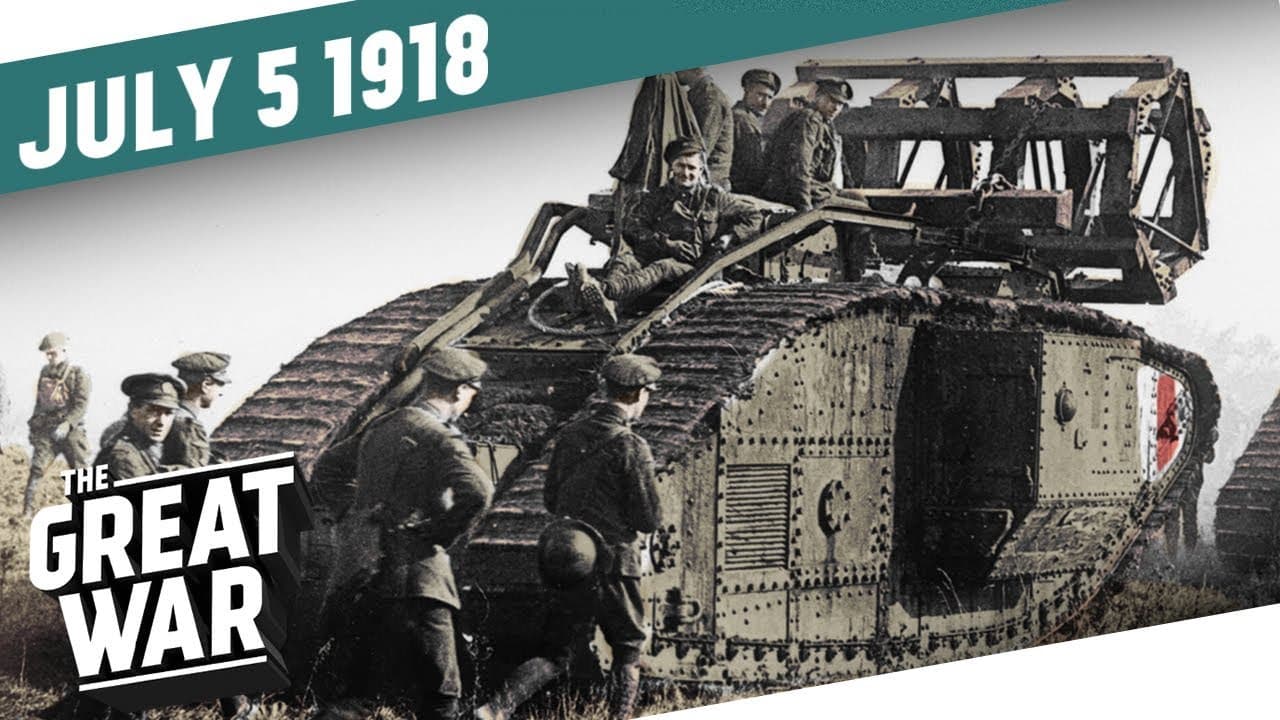
Tanks played a crucial role in the Battle of Hamel by providing a significant advantage in the integrated strategy. They were used to roll avenues in the barbed wire for the infantry, take out German strongpoints, and maintain momentum with reserve waves. Their noise was masked by low-flying planes and artillery, contributing to the battle's success.
Q: How did the Battle of Hamel influence future military operations?
The Battle of Hamel influenced future military operations by demonstrating the effectiveness of integrating various military components into a unified strategy. The tactics used by General John Monash became a model for later British operations, showcasing the importance of meticulous planning, coordination, and the use of combined arms in achieving military success.
Q: What challenges did John Monash face in leading the Battle of Hamel?
John Monash faced challenges such as skepticism about his leadership due to his background as a non-professional soldier, being a 'colonial,' and his German-Jewish heritage. Despite these obstacles, his innovative tactics and successful execution at the Battle of Hamel changed perceptions, earning him recognition as one of the most effective commanders of World War I.
Q: What were the key components of the Battle of Hamel's strategy?
The key components of the Battle of Hamel's strategy included the integration of tanks, artillery, aircraft, and infantry into a cohesive force. This approach involved meticulous planning, pre-registered artillery targets, the use of creeping barrages, and coordination between different military elements, all contributing to the rapid success and minimal casualties achieved during the battle.
Q: How did the Battle of Hamel demonstrate the importance of planning and coordination?
The Battle of Hamel demonstrated the importance of planning and coordination by achieving its objectives swiftly and with minimal casualties through the integration of various military components. General John Monash's meticulous planning ensured that each element, from tanks to aircraft, worked in harmony, showcasing how effective coordination can lead to successful military operations and influence future tactics.
Summary & Key Takeaways
-
The Battle of Hamel marked a turning point in military strategy by integrating tanks, artillery, aircraft, and infantry into a unified force. Led by Australian General John Monash, this approach achieved its objectives swiftly and with minimal casualties, setting a new standard for future operations.
-
John Monash's innovative tactics at the Battle of Hamel demonstrated the power of meticulous planning and coordination. The battle's success changed perceptions of Monash, highlighting his strategic brilliance and influencing future British military operations.
-
The Battle of Hamel, completed in just 93 minutes, showcased the effectiveness of integrating various military components into a cohesive strategy. This approach not only achieved all objectives but also served as a model for future military tactics, marking a significant advancement in modern warfare.
Read in Other Languages (beta)
Share This Summary 📚
Summarize YouTube Videos and Get Video Transcripts with 1-Click
Try YouTube Summary with ChatGPT & Claude or YouTube Transcript Generator
Explore More Summaries from The Great War 📚

Summarize YouTube Videos and Get Video Transcripts with 1-Click
Try YouTube Summary with ChatGPT & Claude or YouTube Transcript Generator