I Did Andrew Huberman's Perfect Sleep Routine For 30 Days (Before/After)

TL;DR
Experimenting with Andrew Huberman's sleep protocol for better health.
Transcript
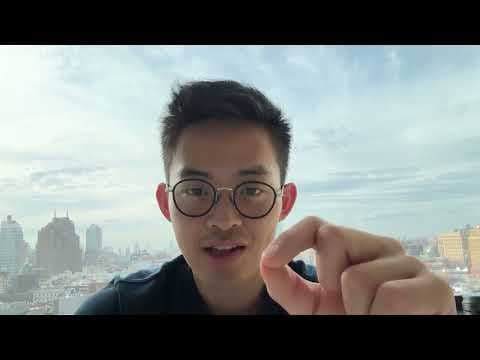
Every day there are more and more studies that show that getting good sleep consistently can make you more productive, build more muscle, and even make you more attractive. But the real question is, is there a perfect science backed sleep routine? To find out, I'm going to try Andrew Huberman's full sleep protocol, along with some few minor i... Read More
Key Insights
- Adopting Andrew Huberman's sleep protocol can potentially enhance productivity, muscle growth, and attractiveness by improving sleep quality.
- Key elements of the sleep routine include consistent wake-up times, morning sunlight exposure, and delayed caffeine intake to regulate circadian rhythm.
- Supplements like magnesium and L-theanine can enhance REM and deep sleep, although their effects may diminish with daily use.
- Avoiding alcohol is crucial for optimal sleep quality, as it disrupts REM sleep and increases heart rate variability.
- Temperature regulation, including a cool room and body temperature, is vital for better sleep; tools like temperature-controlled mattresses can aid this.
- Light regulation, such as blocking blue light in the evening, supports sleep; apps and blue light blocking glasses can be helpful.
- Non-sleep deep rest techniques, like guided meditation, may aid sleep onset and serve as substitutes for lost sleep.
- Tracking sleep metrics and mood reveals optimal sleep duration, with personal variations in sleep needs and responses to routine changes.
Install to Summarize YouTube Videos and Get Transcripts
Explore YouTube Video Summarizer or Get YouTube Transcript Extractor
Questions & Answers
Q: What is the main objective of trying Andrew Huberman's sleep protocol?
The main objective of trying Andrew Huberman's sleep protocol was to determine if it could enhance sleep quality, productivity, mood, and physical performance. By following the protocol for 30 days, the experiment aimed to measure changes in sleep metrics, mood, and overall health to see if the routine could provide tangible benefits.
Q: How does delaying caffeine intake affect the sleep routine?
Delaying caffeine intake by 90 minutes after waking is intended to help regulate the body's circadian rhythm. This practice allows the body's natural wakefulness mechanisms to activate without caffeine interference, potentially leading to improved sleep quality and energy levels throughout the day. This adjustment is a key component of optimizing the sleep-wake cycle.
Q: What role do supplements play in the sleep protocol?
Supplements such as magnesium and L-theanine are used in the sleep protocol to enhance the quality of sleep by promoting relaxation and deeper sleep stages like REM. These supplements are scientifically backed to support sleep, though their effectiveness may vary among individuals. Regular cycling of supplements is recommended to maintain their efficacy over time.
Q: Why is temperature regulation important for sleep?
Temperature regulation is crucial for sleep because a cooler environment helps facilitate the body's natural drop in core temperature, which is necessary for initiating and maintaining sleep. Keeping the room, body, and mattress cool can improve sleep onset and quality. Tools like temperature-controlled mattresses can aid in maintaining an optimal sleep environment.
Q: How does alcohol consumption impact sleep quality?
Alcohol consumption negatively impacts sleep quality by disrupting REM sleep and increasing heart rate variability, which can lead to poorer sleep scores and cognitive performance the following day. Even small amounts of alcohol can significantly affect sleep, as evidenced by sleep tracker data showing reduced sleep efficiency and increased wakefulness after drinking.
Q: What are the benefits of light regulation in the sleep routine?
Light regulation, particularly reducing blue light exposure in the evening, is beneficial for signaling the body that it's time to wind down and prepare for sleep. This practice helps maintain the natural circadian rhythm, preventing disruptions that can delay sleep onset. Tools like screen apps and blue light blocking glasses are effective in managing light exposure.
Q: What is non-sleep deep rest, and how is it used?
Non-sleep deep rest is a technique involving guided meditation to calm the nervous system and aid sleep onset. It serves as a relaxation tool to help individuals who struggle with falling asleep or as a substitute for lost sleep. While its effectiveness may vary, it is a recommended practice within the sleep protocol for enhancing relaxation and sleep quality.
Q: What were the overall results of the 30-day sleep protocol experiment?
The 30-day experiment with Andrew Huberman's sleep protocol resulted in improved sleep metrics, such as increased REM and deep sleep, especially when supplements were used. Participants also reported better mood and physical performance. However, consistency in maintaining the routine was challenging, highlighting the importance of personalized sleep strategies and the potential benefits of Huberman's methods for optimizing sleep and health.
Summary & Key Takeaways
-
The experiment involved following Andrew Huberman's sleep protocol for 30 days, focusing on consistent sleep and wake times, sunlight exposure, and supplement use. The aim was to assess improvements in sleep quality, mood, and physical performance.
-
Key practices included delaying caffeine intake, avoiding alcohol, regulating temperature, and managing light exposure. Supplements like magnesium and L-theanine were used to enhance sleep, with mixed results in dream vividness and sleep efficiency.
-
Results showed improved sleep metrics and mood when adhering to the protocol, although consistency was challenging. The experiment highlighted the importance of personalized sleep routines and the potential benefits of Huberman's methods.
Read in Other Languages (beta)
Share This Summary 📚
Summarize YouTube Videos and Get Video Transcripts with 1-Click
Try YouTube Summary with ChatGPT & Claude or YouTube Transcript Generator
Explore More Summaries from Reysu 📚
Summarize YouTube Videos and Get Video Transcripts with 1-Click
Try YouTube Summary with ChatGPT & Claude or YouTube Transcript Generator