What Drives the Price of Money
TL;DR
The price of money is rising, affecting global finances.
Transcript
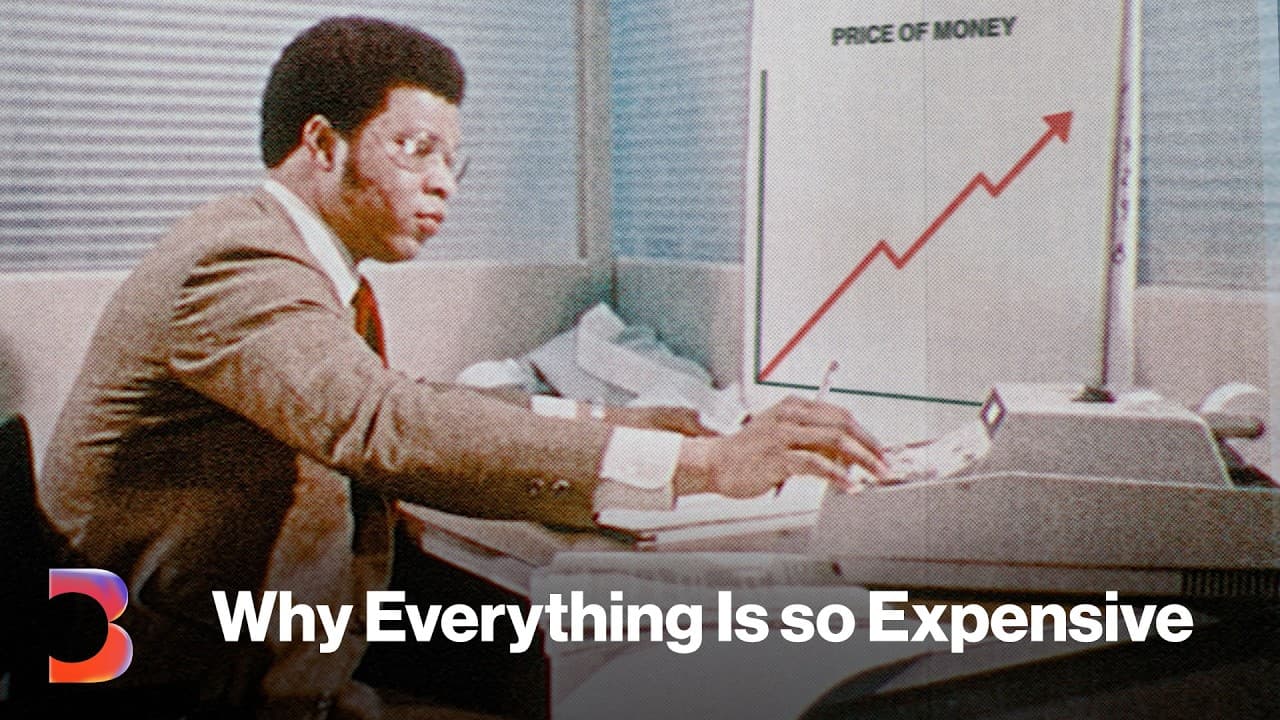
What is the most important price in the global economy? The price of oil? The price of semiconductors? The price of a Big Mac? More important than any of these is the price of money. For more than three decades, the price of money has been falling. Now it's going up. And this will affect everyone's finances. From home prices and retirement fund val... Read More
Key Insights
- The price of money, represented by interest rates, is crucial in the global economy, influencing everything from home prices to tax payments.
- Interest rates are determined by the balance between saving and investment, known as the natural rate of interest, which central banks aim to stabilize.
- A decrease in economic growth and demographic shifts have historically lowered the natural rate, making borrowing cheaper over the past decades.
- China's economic boom and investment in US bonds contributed to low borrowing costs, but changing demographics and geopolitics are reversing this trend.
- Bloomberg Economics predicts a partial recovery of the natural rate by the 2030s, with long-term interest rates potentially reaching 4.5 to 5%.
- Factors such as climate change investments and rising debt levels could push interest rates even higher, possibly up to 6%.
- Higher interest rates will impact home prices and the stock market, potentially halting their upward trajectory seen since the 1980s.
- While higher rates pose challenges, they also offer opportunities for savers and investors, providing higher returns on bonds.
Install to Summarize YouTube Videos and Get Transcripts
Explore YouTube Video Summarizer or Get YouTube Transcript Extractor
Questions & Answers
Q: What is the price of money, and why is it important?
The price of money is essentially the interest rate charged for borrowing money. It is crucial because it influences various economic factors, including home prices, retirement fund values, and tax payments. Central banks set interest rates to stabilize the economy, balancing saving and investment to maintain employment and control inflation.
Q: How do saving and investment affect interest rates?
The balance between saving and investment determines interest rates. More savings increase the supply of money, lowering interest rates, while increased investment demand raises them. This balance forms the natural rate of interest, which central banks aim to align with to stabilize the economy and control inflation.
Q: What factors contributed to the historically low natural rate of interest?
Several factors contributed to the low natural rate, including slowed economic growth since the 1980s, demographic shifts like baby boomers saving for retirement, and China's economic boom. China's investment in US bonds increased the supply of money, further driving down borrowing costs in the United States.
Q: Why are interest rates expected to rise in the future?
Interest rates are expected to rise due to changing demographics, such as the retirement of the baby boomer generation, and geopolitical shifts reducing the flow of savings from China to the US. Additionally, massive investments needed for climate change and rising government debt levels contribute to this upward trend.
Q: What are the potential consequences of rising interest rates?
Rising interest rates could halt the upward trajectory of home prices and the stock market, which have soared due to cheap borrowing costs. It will also increase government debt payments, potentially adding 2% of GDP to annual debt payments by 2030, impacting fiscal budgets significantly.
Q: How might climate change investments affect interest rates?
Investments to combat climate change, such as transitioning to sustainable energy, require massive capital. Bloomberg NEF estimates a $30 trillion investment is needed, which could increase demand for borrowing, pushing interest rates higher as economies strive to finance these essential projects.
Q: Who benefits from higher interest rates?
Savers and investors benefit from higher interest rates as they receive better returns on their savings and bond investments. While higher rates pose challenges for borrowers, they create opportunities for those looking to earn more from their financial assets.
Q: How does Bloomberg Economics predict future interest rates?
Bloomberg Economics uses a model spanning 50 years of data to analyze the main drivers of interest rates. They predict that by the 2030s, long-term interest rates could recover about a third of their past decline, potentially reaching between 4.5% and 5%, with possibilities of going even higher due to various economic factors.
Summary & Key Takeaways
-
The price of money, or interest rates, is a critical factor in the global economy, affecting various financial aspects such as home prices and tax payments. Central banks set these rates based on the natural rate of interest, which balances saving and investment.
-
Historically, low economic growth and demographic changes have driven the natural rate down, making borrowing cheaper. However, recent shifts in demographics and geopolitical relations are causing this trend to reverse, leading to rising interest rates.
-
Bloomberg Economics forecasts a rise in long-term interest rates, influenced by factors like climate change investments and increasing debt. This change will have significant implications for the economy, affecting everything from home prices to government debt payments.
Read in Other Languages (beta)
Share This Summary 📚
Summarize YouTube Videos and Get Video Transcripts with 1-Click
Try YouTube Summary with ChatGPT & Claude or YouTube Transcript Generator
Explore More Summaries from Bloomberg Originals 📚




Summarize YouTube Videos and Get Video Transcripts with 1-Click
Try YouTube Summary with ChatGPT & Claude or YouTube Transcript Generator