Why London's Cab Drivers Have Different Brains
TL;DR
London cab drivers possess unique navigational skills without relying on GPS.
Transcript
To drive one of London's famous black cabs, you need to be a special kind of person. London's cabbies don't use GPS, but then, they don't need it. They have the Knowledge. I have undertaken the stiffest geographical test that any transport operative has to go through, probably anywhere in the world. It consists of memorizing straight line routes ac... Read More
Key Insights
- London cab drivers undergo rigorous training called 'the Knowledge', memorizing 25,000 streets and 100,000 points of interest, taking an average of four and a half years to complete.
- Wayfinding is the process of navigating through environments, aided by both innate human abilities and designed systems, crucial for survival and daily navigation.
- The human brain's hippocampus contains place and grid cells, forming a cognitive map that helps in navigation, reducing cognitive load when traveling from point A to point B.
- London's complex and unplanned structure makes navigation challenging compared to cities like New York, with many relying on the Tube map for guidance.
- Legible London is a designed wayfinding system, answering key navigational questions through maps and landmarks, simplifying the process of finding one's way in the city.
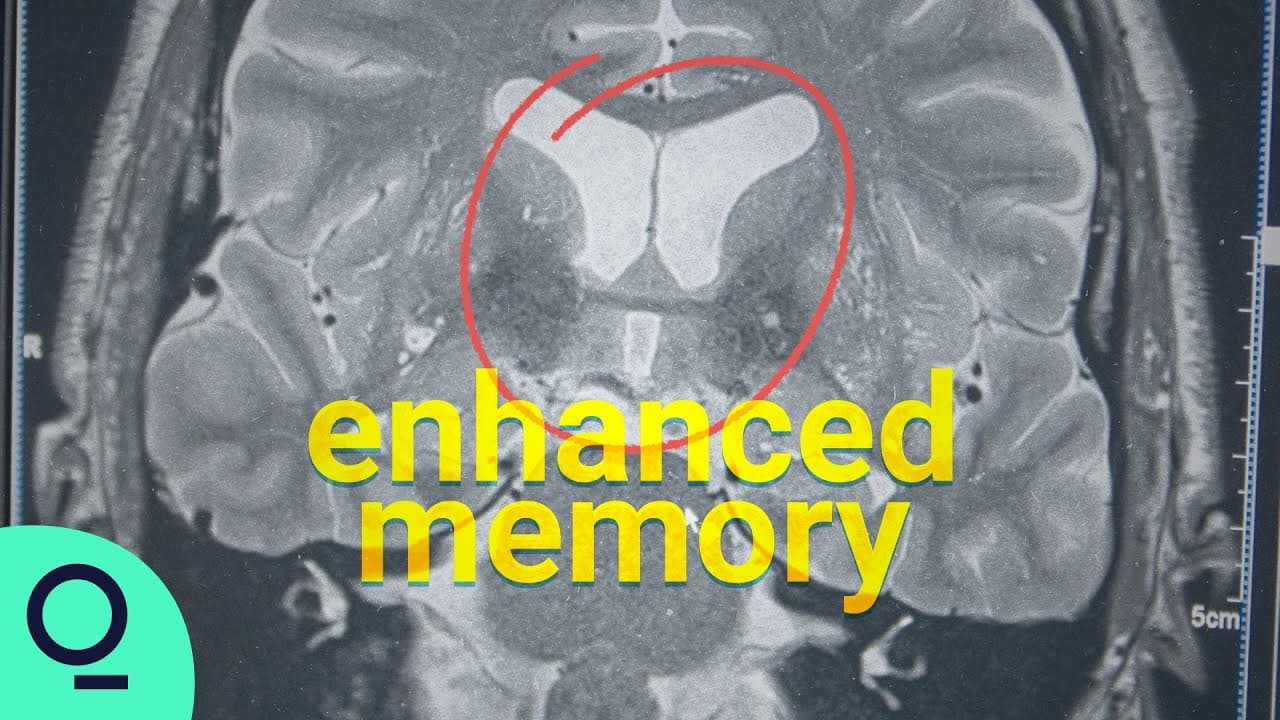
- Neuroscientists study London cab drivers to understand how intensive navigation training affects the hippocampus, potentially offering insights into adult brain plasticity and Alzheimer's prevention.
- While GPS technology eases navigation, it may hinder the development of natural navigational skills, emphasizing the importance of exercising these abilities regularly.
- Smart design in wayfinding systems encourages the use of natural navigational skills, potentially enhancing brain function and spatial awareness.
Install to Summarize YouTube Videos and Get Transcripts
Explore YouTube Video Summarizer or Get YouTube Transcript Extractor
Questions & Answers
Q: What is 'the Knowledge' that London cab drivers must learn?
'The Knowledge' is an extensive memorization test that London cab drivers must pass to obtain their license. It involves learning 25,000 streets and 100,000 points of interest across London, requiring an average of four and a half years to complete. This rigorous training ensures that cabbies can navigate the city without relying on GPS, showcasing their remarkable navigational skills.
Q: How does the human brain support navigation?
The human brain supports navigation through the hippocampus, which contains place and grid cells forming a cognitive map. Place cells fire in specific locations, aiding in spatial awareness, while grid cells create a hexadirectional pattern, helping individuals understand and navigate their environment more efficiently. This complex neural network reduces cognitive demand during navigation.
Q: Why is navigating London particularly challenging?
Navigating London is challenging due to its unplanned and complex structure, unlike cities with a grid system like New York. The city's vast scale and lack of uniformity lead to confusion, with many relying on the Tube map for guidance. This complexity requires a strong mental map and familiarity with landmarks to navigate effectively.
Q: What is Legible London, and how does it aid navigation?
Legible London is a designed wayfinding system that simplifies navigation by answering four key questions: 'Where am I?', 'Where is it?', 'How do I get there?', and 'What else is around here?'. It uses maps with landmarks and 3D buildings to provide clear guidance, helping pedestrians navigate the city more confidently and efficiently.
Q: What insights do neuroscientists hope to gain from studying London cab drivers?
Neuroscientists study London cab drivers to understand how intensive navigation training affects the hippocampus and brain plasticity. By examining how the cabbies' brains adapt and grow, researchers aim to learn more about adult brain plasticity and its potential role in preventing cognitive decline, such as Alzheimer's disease.
Q: How does GPS technology impact our natural navigational skills?
While GPS technology simplifies navigation, it may hinder the development and exercise of natural navigational skills. Relying on GPS reduces cognitive load but also limits the brain's ability to form and use mental maps. Regularly exercising these skills is crucial for maintaining and enhancing spatial awareness and cognitive function.
Q: What role does smart design play in wayfinding?
Smart design in wayfinding systems plays a crucial role in enhancing navigation by providing clear, intuitive guidance through maps, landmarks, and signage. These systems encourage the use of natural navigational skills, helping individuals develop better spatial awareness and cognitive maps, ultimately improving their ability to navigate complex environments.
Q: How can individuals improve their navigational skills without relying on technology?
Individuals can improve their navigational skills by actively engaging in wayfinding without technology, such as exploring new areas, memorizing routes, and using landmarks for orientation. This practice strengthens the brain's cognitive map and spatial awareness, enhancing natural navigational abilities and reducing reliance on GPS devices.
Summary & Key Takeaways
-
London cab drivers are renowned for their exceptional navigational skills, achieved through mastering 'the Knowledge', a demanding test requiring memorization of numerous streets and landmarks. This skill set is so unique that it attracts scientific study, highlighting the brain's ability to adapt and grow through intensive training.
-
Wayfinding combines innate human abilities and designed systems to help people navigate complex environments. London's unplanned city structure poses challenges, but systems like Legible London aid in simplifying navigation by providing clear maps and landmarks, enhancing the ease of moving through the city.
-
The study of London cab drivers' brains reveals insights into the hippocampus's role in navigation and memory. Understanding how intensive training affects brain plasticity could provide clues to preventing cognitive decline, emphasizing the importance of exercising natural navigational skills alongside technology.
Read in Other Languages (beta)
Share This Summary 📚
Summarize YouTube Videos and Get Video Transcripts with 1-Click
Try YouTube Summary with ChatGPT & Claude or YouTube Transcript Generator
Explore More Summaries from Bloomberg Originals 📚






Summarize YouTube Videos and Get Video Transcripts with 1-Click
Try YouTube Summary with ChatGPT & Claude or YouTube Transcript Generator