Can a President Ignore a Supreme Court Ruling?
TL;DR
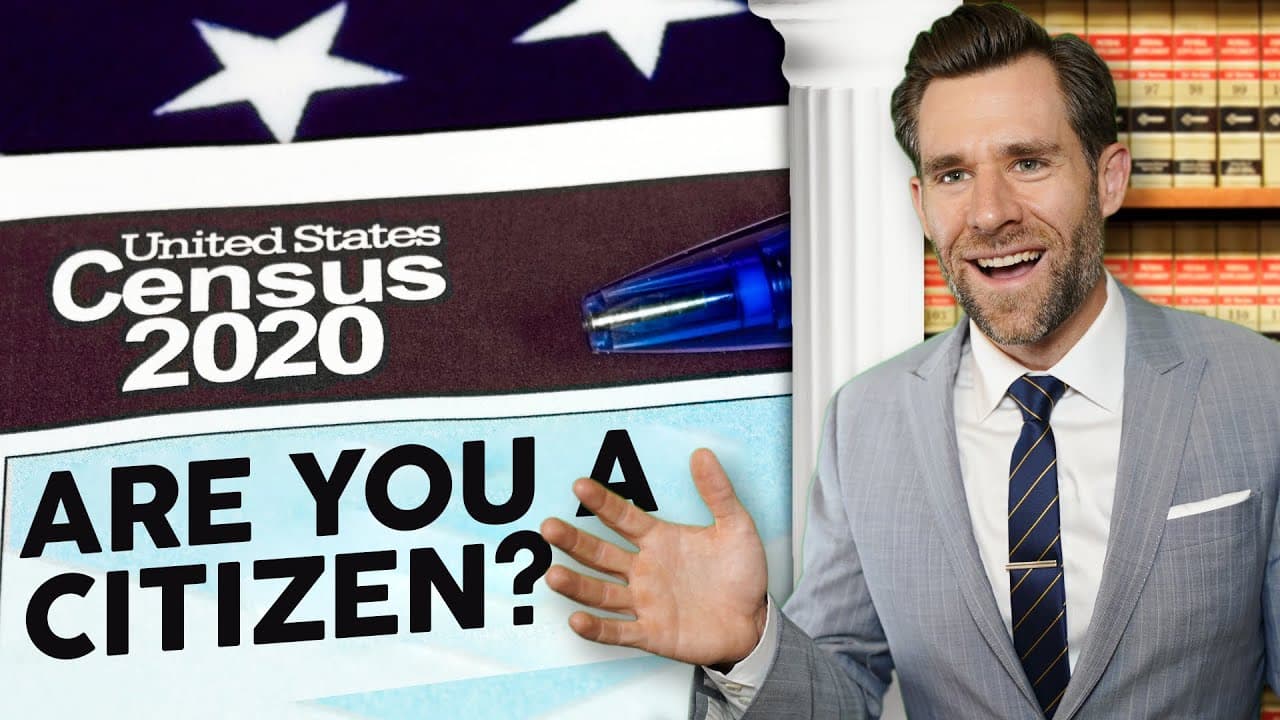
Yes, a president can defy a Supreme Court ruling, as seen with President Trump’s attempt to include a citizenship question in the 2020 census despite the Court's prohibition. Historically, presidents like Andrew Jackson and Abraham Lincoln have also ignored court orders, highlighting the vulnerabilities in enforcing judicial authority. This raises serious concerns about constitutional limits and checks and balances within the government.
Transcript
- This episode of Legal Eagle was made possible by Skillshare. Learn to think like a lawyer for free for two months by clicking on the link in the description. Usually claiming this is a constitutional crisis in this administration is just hyperbole, but something was different when the administration attempted to include a citizenship question in ... Read More
Key Insights
- 👯 The American census is mandated by the Constitution to count all people, regardless of citizenship.
- ⁉️ The citizenship question was removed in the 1950s due to concerns of undercounting and intimidation.
- 🥺 President Trump's attempt to reinstate the citizenship question for political gain has led to a potential constitutional crisis.
- 🍝 Past examples of presidents defying Supreme Court orders, like Andrew Jackson and Abraham Lincoln, show the limits of enforcement mechanisms available to the court.
- 🫡 Most presidents have respected Supreme Court decisions as a constitutional duty, but Trump's actions raise concerns.
- ❓ The withdrawal of Department of Justice lawyers and the contempt of Congress for Barr and Ross further complicate the situation.
Install to Summarize YouTube Videos and Get Transcripts
Explore YouTube Video Summarizer or Get YouTube Transcript Extractor
Questions & Answers
Q: Can a president ignore a Supreme Court order?
In theory, there is nothing that can force a president to follow Supreme Court orders. However, most presidents have respected the court's decisions as a strong norm of governance. Defiance has occurred in the past, like President Jackson and President Lincoln, but it is uncommon.
Q: Has a citizenship question been included in the census before?
The citizenship question was removed from the census in the 1950s due to concerns of undercounting and intimidation of non-citizens. This controversy stems from the Trump administration's attempt to reinstate it for political purposes and misrepresentation of its intentions.
Q: What are the consequences of the Trump administration's defiance?
The Department of Justice lawyers involved in the census cases faced criticism and withdrew from the cases. This raises doubts about the government's commitment to upholding court decisions. Additionally, Attorney General Barr and Commerce Secretary Ross have been held in contempt of Congress for not releasing relevant documents.
Q: Is this constitutional crisis over or likely to escalate?
It is unclear whether the crisis has been resolved completely. The House of Representatives holding Barr and Ross in contempt suggests ongoing disputes. Unless a justification for the citizenship question that satisfies legal standards is presented, the crisis may continue.
Summary & Key Takeaways
-
The American census, mandated by the Constitution, counts all people every 10 years, including citizens and non-citizens.
-
The Trump administration wanted to include a citizenship question for political gain, despite concerns that it may deter non-citizens from participating and affect federal funds and congressional representation.
-
The Supreme Court ruled against the administration, but President Trump's tweets indicate a potential defiance of the court's order, sparking a constitutional crisis.
Read in Other Languages (beta)
Share This Summary 📚
Summarize YouTube Videos and Get Video Transcripts with 1-Click
Try YouTube Summary with ChatGPT & Claude or YouTube Transcript Generator
Explore More Summaries from LegalEagle 📚





Summarize YouTube Videos and Get Video Transcripts with 1-Click
Try YouTube Summary with ChatGPT & Claude or YouTube Transcript Generator