Can Imagination and the Market Co-Exist? | The Businessweek Show
TL;DR
Exploration of imagination's role in art and urban development.
Transcript
if you get to work and you find it's really hard to do your job with imagination do not worry imagination is still really new dreaming is more than 100 million years old but being able to imagine things on purpose began only like 70,000 years ago and even then the reviews were mixed Plato thought that imagination was kind of suspicious and the Bibl... Read More
Key Insights
- Imagination is a relatively new human ability and has historically been viewed with suspicion by figures like Plato and in religious texts.
- Theaster Gates uses imagination to transform underinvested urban spaces into cultural hubs, emphasizing community and cultural preservation.
- Gates faced challenges in gaining respect for his imaginative projects, requiring him to adopt different personas to engage with city officials.
- Economic development can be imaginative, focusing on creating vibrant communities rather than just financial gain.
- Judy Chicago emphasizes the importance of imagination in art, advocating for art as an act of generosity and resisting market pressures.
- Chicago's work addresses mortality and societal issues, encouraging people to confront uncomfortable truths and imagine better futures.
- Both Gates and Chicago highlight the importance of using imagination to challenge existing systems and create positive change.
- Imagination in art and urban planning can offer new perspectives and solutions to societal challenges, fostering community engagement and transformation.
Install to Summarize YouTube Videos and Get Transcripts
Explore YouTube Video Summarizer or Get YouTube Transcript Extractor
Questions & Answers
Q: How does Theaster Gates use imagination in urban development?
Theaster Gates uses imagination to transform neglected urban spaces into vibrant cultural hubs. He focuses on community involvement, preserving cultural heritage, and creating opportunities for artists. By acquiring and renovating buildings, Gates revitalizes neighborhoods and fosters cultural and economic development, emphasizing the importance of imagination in urban planning.
Q: What challenges did Gates face in implementing his imaginative projects?
Gates faced challenges in gaining respect and support from city officials and stakeholders. He had to adopt different personas, presenting himself as a developer and investor to gain traction and attention. This required him to navigate bureaucratic systems and communicate his vision in ways that aligned with traditional economic development models.
Q: How does Judy Chicago view the relationship between art and the market?
Judy Chicago believes art should be an act of generosity, independent of market pressures. She values the freedom to pursue her vision without being constrained by commercial interests. Chicago emphasizes the importance of addressing societal issues through art, encouraging artists to resist being commodified and to use their work to provoke thought and inspire change.
Q: What role does imagination play in addressing societal issues according to Chicago?
Chicago sees imagination as a tool for confronting uncomfortable truths and envisioning better futures. Her work often addresses themes of mortality, gender equality, and societal change, encouraging people to reflect on these issues. She believes imagination can inspire individuals to take action and contribute to positive societal transformation.
Q: How does Gates view economic development in relation to imagination?
Gates views economic development as an opportunity to be imaginative and community-focused. He prioritizes creating spaces that serve communal needs and foster cultural engagement rather than solely focusing on financial gain. Gates believes that imaginative economic development can revitalize neighborhoods and improve quality of life for residents.
Q: What is Chicago's perspective on the changing art world and its impact on artists?
Chicago is concerned about the commercialization of the art world and its impact on young artists. She laments the pressure on artists to conform to market demands, which can stifle creativity. Chicago advocates for artists to maintain their vision and use their work to challenge societal norms, emphasizing the importance of imagination in this process.
Q: How does Gates protect his imagination from market pressures?
Gates protects his imagination by staying true to his vision and focusing on community-driven projects. He navigates market pressures by aligning his work with his values, prioritizing cultural preservation and community engagement. Gates believes in the power of imagination to create meaningful change, resisting the temptation to prioritize financial gain over his mission.
Q: What future aspirations do Gates and Chicago have for their work?
Gates aspires to continue transforming neighborhoods and empowering communities through imaginative urban planning. He envisions passing on his projects to others who share his vision. Chicago aims to inspire future generations of artists to use their imagination to address societal issues, advocating for art as a catalyst for change and encouraging collaboration and dialogue.
Summary & Key Takeaways
-
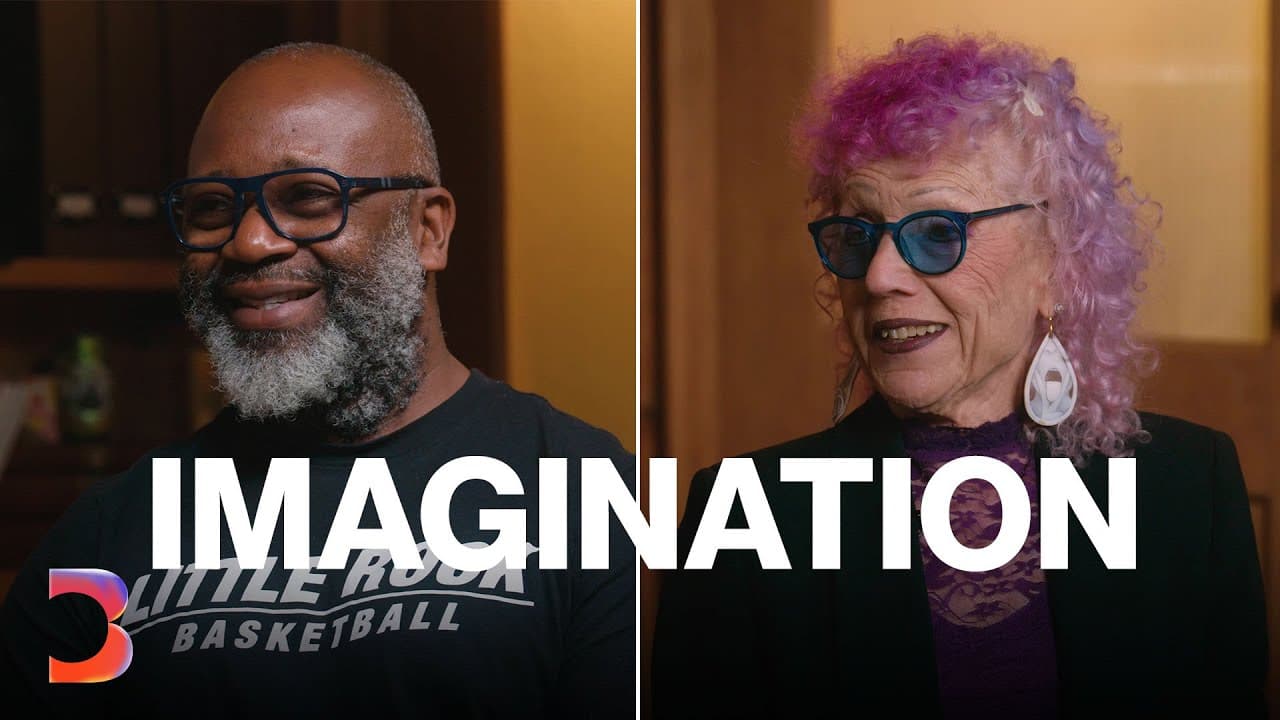
Theaster Gates discusses using imagination to revitalize neighborhoods, transforming underinvested spaces into cultural centers and emphasizing community involvement and preservation.
-
Judy Chicago reflects on her career, advocating for art as an act of generosity and encouraging artists to resist market pressures and address societal issues through their work.
-
The conversation highlights the role of imagination in challenging existing systems, fostering community engagement, and creating positive change in both urban development and the art world.
Read in Other Languages (beta)
Share This Summary 📚
Summarize YouTube Videos and Get Video Transcripts with 1-Click
Try YouTube Summary with ChatGPT & Claude or YouTube Transcript Generator
Explore More Summaries from Bloomberg Originals 📚




Summarize YouTube Videos and Get Video Transcripts with 1-Click
Try YouTube Summary with ChatGPT & Claude or YouTube Transcript Generator