What Led to Violence on Peru's Rainbow Mountain?
TL;DR
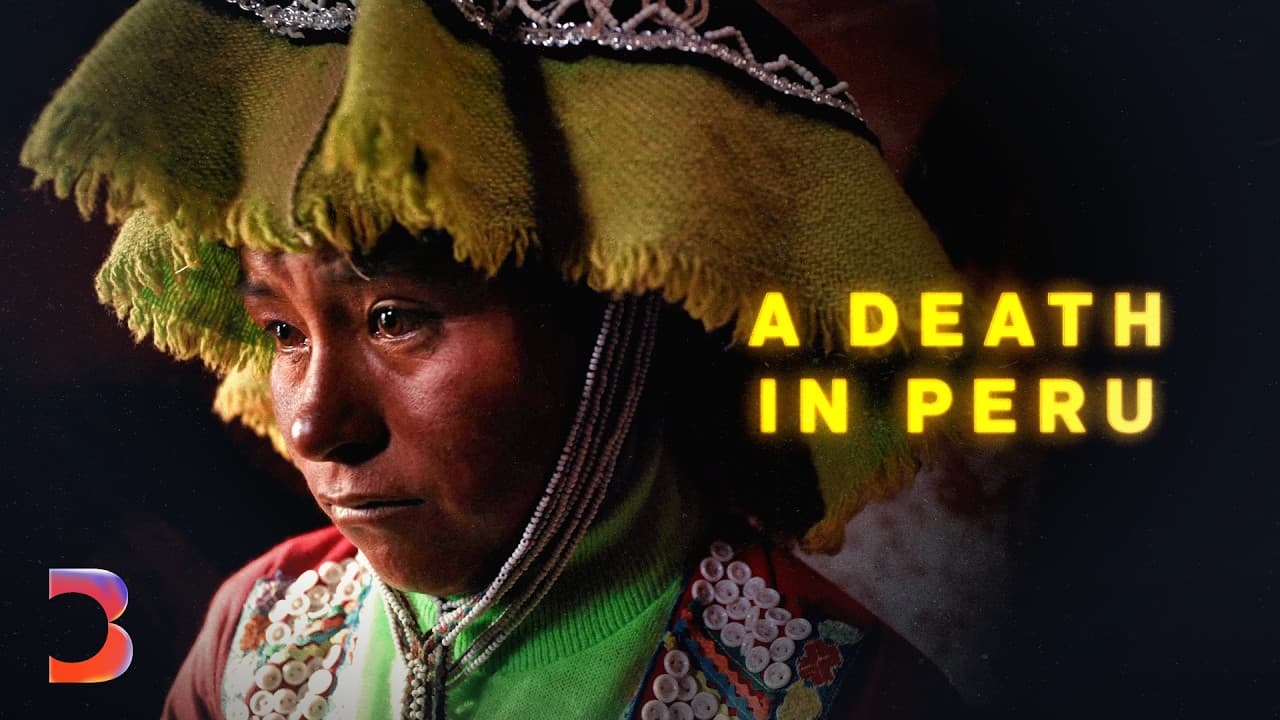
Rainbow Mountain in Peru, a popular tourist destination, became the center of a deadly conflict due to disputes over tourism revenue between indigenous communities. The lack of state intervention and transparency escalated tensions, resulting in the murder of a community leader, Flavio. This incident highlights the darker side of tourism and its impact on local communities.
Transcript
- The Rainbow Mountain is one of Peru's most iconic tourism sites. - Rainbow Mountain, all to yourself. - It is made for going viral. - It's beautiful though. We did see it. - Suddenly because of global tourism, it became a symbol of violence. Now somebody has been killed. Money can do a lot of good. It can really transform people's lives, but it c... Read More
Key Insights
- Rainbow Mountain is a major tourist attraction in Peru, second only to Machu Picchu.
- The mountain is located in the southern Peruvian Andes, a region known for poverty.
- Tourism revenue led to disputes between indigenous communities over control and distribution.
- Flavio, a community leader, advocated for the mountain's preservation against mining interests.
- A deal was made to split tourism revenue, but lack of state oversight led to corruption.
- Tensions between Chillihuani and Llacto communities escalated over revenue control.
- Flavio was murdered during a community conflict, highlighting the absence of state intervention.
- The murder led to arrests, but the lack of clear evidence leaves questions unanswered.
Install to Summarize YouTube Videos and Get Transcripts
Explore YouTube Video Summarizer or Get YouTube Transcript Extractor
Questions & Answers
Q: How did tourism lead to conflict at Rainbow Mountain?
Tourism at Rainbow Mountain brought significant revenue, leading to disputes over its distribution among local indigenous communities. The lack of state intervention and transparency in managing these funds escalated tensions. The conflict intensified when community leaders vied for control, ultimately resulting in the murder of Flavio, a key figure advocating for the mountain's preservation.
Q: What role did Flavio play in the Rainbow Mountain conflict?
Flavio was a community leader who initially advocated for the preservation of Rainbow Mountain against mining interests. He played a crucial role in negotiating a revenue-sharing agreement between local communities and the municipality. However, as disputes over revenue control grew, Flavio found himself at odds with other leaders, ultimately leading to his murder during a community meeting.
Q: Why was the state unable to prevent the conflict at Rainbow Mountain?
The state failed to provide adequate oversight and transparency in managing tourism revenue at Rainbow Mountain. This absence of governance allowed corruption and power struggles to thrive within the indigenous communities. The state's lack of intervention and support in resolving these disputes contributed to the escalation of tensions, culminating in violence and murder.
Q: What were the consequences of Flavio's murder?
Flavio's murder led to the arrest of around 20 members of the Chillihuani community, who were placed in pre-trial detention. However, the lack of clear evidence and prolonged detentions leave many questions unanswered. The incident highlights the challenges faced by indigenous communities in managing tourism revenue and the need for improved state intervention and governance.
Q: How did mining interests affect Rainbow Mountain?
Mining companies showed interest in Rainbow Mountain due to its mineral-rich location in the Andes. However, Flavio and other advocates successfully lobbied for the mountain's preservation, preventing mining activities. Despite this victory, the rapid tourism boom and resulting revenue disputes overshadowed the initial success, leading to conflict and violence within the local communities.
Q: What cultural practices were affected by the Rainbow Mountain conflict?
The conflict disrupted the traditional practices and unity within the indigenous communities. After Flavio's murder, the Llacto community used a traditional dance to reinterpret and express their grief over his death. This cultural expression highlights the deep impact of the conflict on community cohesion and the struggle to maintain cultural practices amidst turmoil.
Q: What lessons can be learned from the Rainbow Mountain incident?
The Rainbow Mountain incident underscores the importance of transparent governance and state intervention in managing tourism-driven regions. The lack of oversight and support can lead to corruption, power struggles, and violence. Ensuring equitable distribution of tourism revenue and involving local communities in decision-making processes are crucial to preventing similar conflicts in the future.
Q: How has the Rainbow Mountain conflict impacted tourism in the region?
The conflict and subsequent murder have cast a shadow over Rainbow Mountain's image as a tourist destination. The incident highlights the potential negative impacts of tourism on local communities, raising awareness about the need for sustainable tourism practices. It may lead to increased scrutiny and calls for better governance and transparency in managing tourism revenue and community relations.
Summary & Key Takeaways
-
Rainbow Mountain in Peru, known for its stunning beauty, has become a symbol of conflict due to tourism revenue disputes. The indigenous communities of Chillihuani and Llacto clashed over control, leading to the murder of Flavio, a community leader. The lack of state intervention and transparency exacerbated tensions.
-
Flavio's advocacy for preserving Rainbow Mountain from mining interests initially brought hope for local communities. However, the rapid tourism boom and revenue distribution issues led to power struggles. The absence of state support and oversight allowed corruption and violence to fester.
-
The murder of Flavio during a community meeting underscores the dark side of tourism's impact on indigenous communities. Despite arrests, the lack of clear evidence and prolonged pre-trial detentions leave many questions unresolved. This incident highlights the need for better governance and transparency in tourism-driven regions.
Read in Other Languages (beta)
Share This Summary 📚
Summarize YouTube Videos and Get Video Transcripts with 1-Click
Try YouTube Summary with ChatGPT & Claude or YouTube Transcript Generator
Explore More Summaries from Bloomberg Originals 📚






Summarize YouTube Videos and Get Video Transcripts with 1-Click
Try YouTube Summary with ChatGPT & Claude or YouTube Transcript Generator