How Trump's Trade War Strategy Evolved Over Time
TL;DR
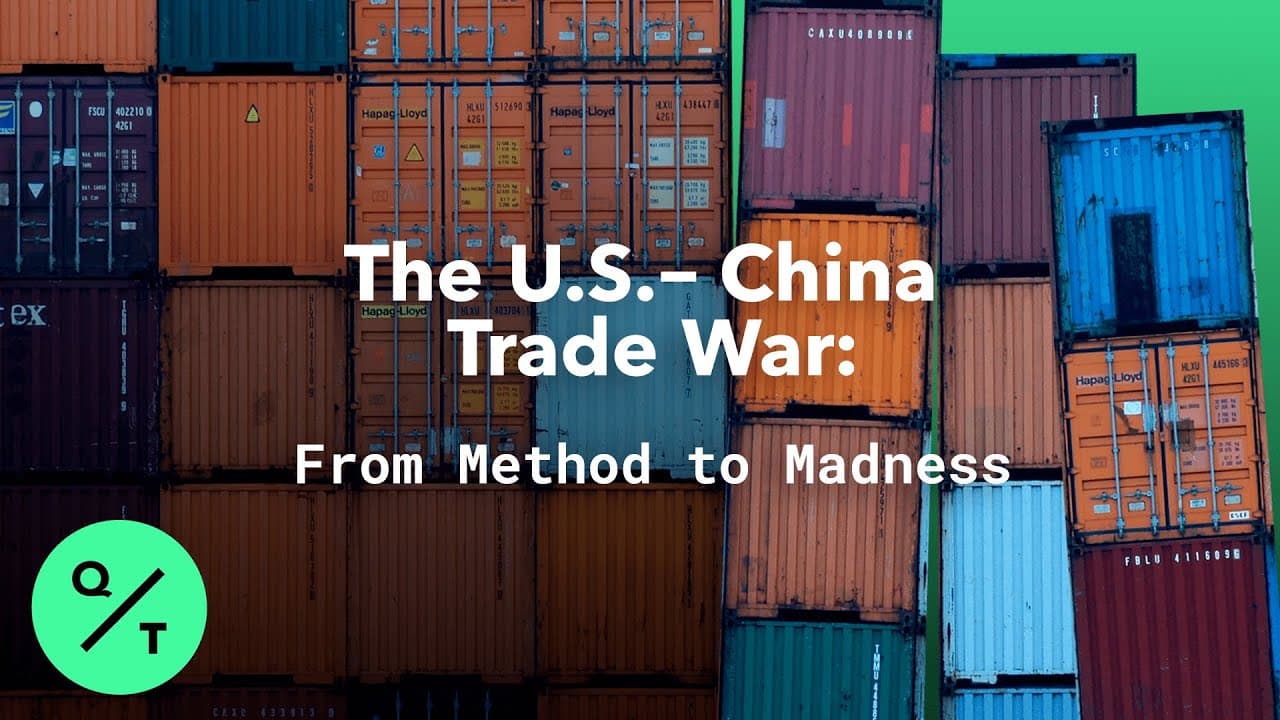
Trump's trade war with China started with a strategic approach but evolved into a chaotic series of tariff escalations. Initially aimed at reducing intellectual property theft, the strategy shifted to imposing high tariffs to force negotiations. While tariffs brought China to the table, the long-term effectiveness of this unpredictable approach remains uncertain.
Transcript
I've been covering this trade war for almost three years now, and oftentimes it looks very chaotic. The China trade deal is dependent on one thing, do I wanna pick it. If we don't make a deal with China I'll just raise the tariffs even higher. Thank you very much. And it's really hard to think back to the beginning of it, but how it really started ... Read More
Key Insights
- Trump's trade war began with a focus on intellectual property but shifted to high tariffs.
- Tariffs were used as leverage to bring China to the negotiating table.
- Trump's strategy involved unpredictability to destabilize negotiation counterparts.
- The trade war led to a series of retaliatory tariffs affecting both economies.
- China targeted Trump's political base with tariffs on key industries like soybeans.
- The phase one deal focused on agricultural purchases but lacked substantial reform.
- Unpredictability in negotiations raised doubts about the US's commitment to deals.
- The long-term impact of Trump's trade strategy on US-China relations is debated.
Install to Summarize YouTube Videos and Get Transcripts
Explore YouTube Video Summarizer or Get YouTube Transcript Extractor
Questions & Answers
Q: How did Trump's trade war with China start?
Trump's trade war with China began with a focus on intellectual property issues. The goal was to reduce China's intellectual property coercion and theft. However, the strategy quickly shifted to imposing high tariffs as a means to force China to negotiate, moving away from solely addressing intellectual property concerns.
Q: What was the initial strategy of Trump's trade war?
The initial strategy of Trump's trade war was to address China's intellectual property theft and coercion. The administration aimed to show seriousness on the issue and change China's behavior. However, the strategy evolved to include high tariffs to reduce the trade deficit and bring China to the negotiating table.
Q: How did tariffs play a role in the US-China trade war?
Tariffs played a central role in the US-China trade war as a tool to exert pressure on China. They were used as leverage to bring China to the negotiating table. The Trump administration imposed tariffs on a wide range of Chinese goods, which led to retaliatory tariffs from China, impacting various industries in both countries.
Q: What impact did the trade war have on US industries?
The trade war significantly impacted US industries, particularly agriculture. China's retaliatory tariffs targeted key sectors like soybeans, leading to price collapses and financial strain on farmers. The tariffs also threatened to affect consumer goods, including smartphones and clothing, highlighting the broader economic impact on American consumers and businesses.
Q: What was the phase one deal in the US-China trade war?
The phase one deal in the US-China trade war primarily focused on increasing China's purchases of US agricultural products. However, it lacked substantial reforms on key issues like intellectual property and structural economic changes. While it provided some relief to American farmers, it did not address the broader trade imbalances or lead to significant economic reforms from China.
Q: How did unpredictability affect the trade negotiations?
Unpredictability was a hallmark of Trump's trade negotiation strategy, aimed at destabilizing counterparts and gaining leverage. However, this approach raised concerns about the US's reliability in adhering to agreements, leading other countries to question the value of negotiating with the US. The lack of consistent goals and shifting demands complicated the negotiation process with China.
Q: What were the criticisms of Trump's trade war strategy?
Critics of Trump's trade war strategy highlighted the chaotic and unpredictable nature of the negotiations. The strategy's focus on high tariffs and short-term political gains was seen as lacking a clear long-term vision. Additionally, the failure to achieve significant structural reforms in China and the economic harm to US industries were major points of criticism.
Q: What are the long-term implications of the trade war?
The long-term implications of the trade war include strained US-China relations and potential shifts in global trade dynamics. While tariffs brought China to the negotiating table, the lack of substantial reforms and the unpredictability of US policies may affect future negotiations. The trade war also highlighted the complexities of addressing trade imbalances and intellectual property issues on a global scale.
Summary & Key Takeaways
-
Trump's trade war with China initially targeted intellectual property issues but shifted to high tariffs as a negotiation tool. While tariffs brought China to the table, the approach became chaotic and unpredictable, raising questions about its long-term effectiveness.
-
The trade war saw a series of retaliatory tariffs, impacting industries like agriculture. Trump's strategy of unpredictability aimed to destabilize negotiation counterparts, but it also led to doubts about the US's commitment to any agreements.
-
The phase one deal primarily focused on agricultural purchases, but it lacked significant economic reforms from China. The broader impact of Trump's trade war strategy on US-China relations and global trade remains a subject of debate.
Read in Other Languages (beta)
Share This Summary 📚
Summarize YouTube Videos and Get Video Transcripts with 1-Click
Try YouTube Summary with ChatGPT & Claude or YouTube Transcript Generator
Explore More Summaries from Bloomberg Originals 📚




Summarize YouTube Videos and Get Video Transcripts with 1-Click
Try YouTube Summary with ChatGPT & Claude or YouTube Transcript Generator