Divers Made an Incredible Discovery Near Titanic
TL;DR
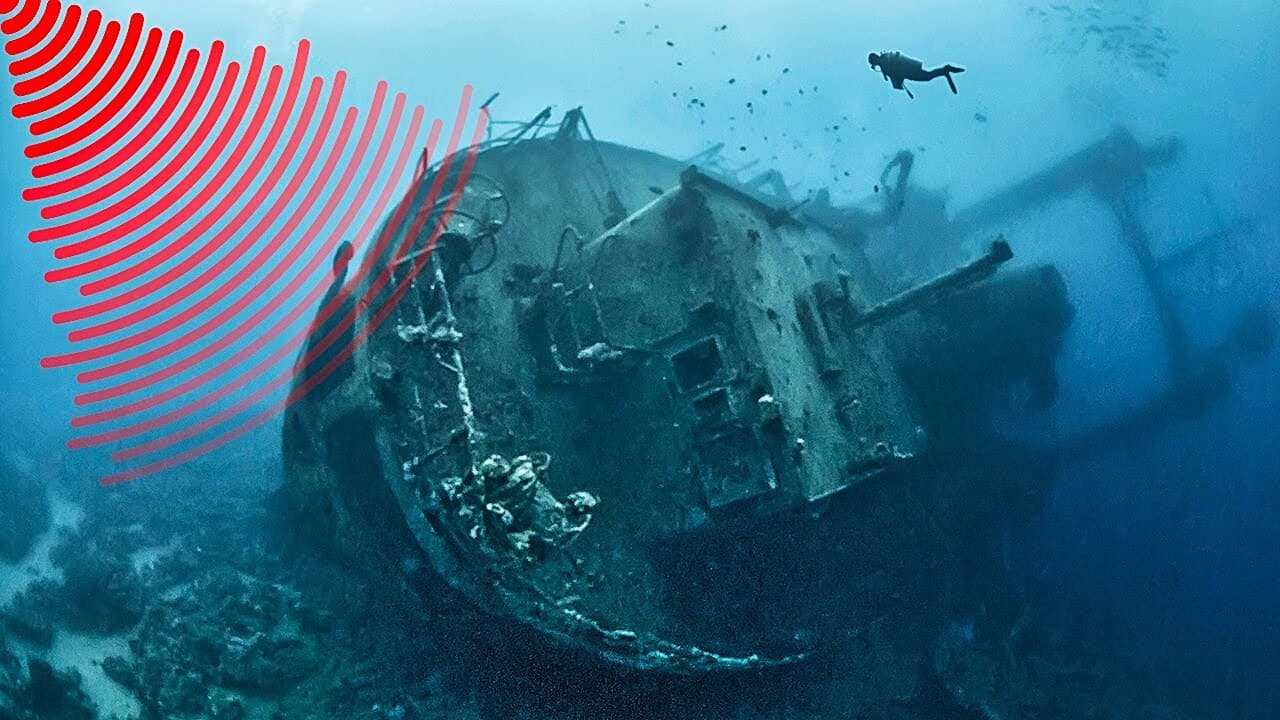
A team of divers recently discovered a massive coral reef near the Titanic wreck, showcasing an unexpected and thriving marine ecosystem in the deep sea.
Transcript
it's been 110 years since Titanic sank the world's most famous shipwreck is shrouded in mystery so much so that it continues to Fascinate divers scientists and Titanic fans all around the world but I suspect these people have a reason for this ever since Titanic sank Expeditions have scoured the Deep Waters of the North Atlantic Ocean to locate the... Read More
Key Insights
- 🚢 The Titanic wreck was discovered 37 years ago and continues to fascinate divers and scientists worldwide.
- 🎥 James Cameron, director of the movie Titanic, has dived to the wreck over 33 times and has played a key role in the preservation and study of the ship's ruins.
- 🌊 The area where the Titanic sank is dark, with little sunlight, but it is home to a dense and lively coral reef known as the "nargiolet Fanning Ridge."
- 🐟 The main source of light at the wreck site is bioluminescent fish, and the discovery of this thriving marine life will greatly impact deep-sea marine studies.
- 🔎 A mysterious blip near the Titanic wreck was recently identified as a huge coral reef, solving the decades-long puzzle of its origins.
- 🎥 Technological advancements in deep-sea filming, including high-definition cameras and robot vehicles, have allowed for detailed exploration and documentation of the Titanic wreck.
- 🔴 The Titanic wreck is covered in iron-eating bacteria colonies, threatening the state of the ship's ruins. These bacteria can consume up to 660 pounds of iron per day. ⏳ The wreck's life expectancy is currently uncertain, but research suggests it will remain intact for the foreseeable future.
Install to Summarize YouTube Videos and Get Transcripts
Explore YouTube Video Summarizer or Get YouTube Transcript Extractor
Questions & Answers
Q: How was the coral reef near the Titanic wreck discovered?
The coral reef near the Titanic wreck was discovered through an expedition led by Ocean Gate Expeditions, using sonar technology to locate the mysterious blip near the wreck. Divers were then able to explore and identify the massive coral reef.
Q: What makes the discovery of the coral reef near the Titanic wreck significant?
The discovery of a thriving coral reef near the Titanic wreck is significant because it challenges the assumption that such ecosystems cannot develop in the dark and deep waters of the North Atlantic. It brings new insights into deep-sea marine life and highlights the resilience of marine ecosystems.
Q: Why is the coral reef temporarily referred to as the "Nargiolet Fanning Ridge"?
The coral reef near the Titanic wreck is temporarily referred to as the "Nargiolet Fanning Ridge" as a tribute to diver Paul Henry Nargiolet, who initially discovered the blip and signaled the presence of something significant near the wreck.
Q: How does the discovery of the coral reef near the Titanic wreck contribute to the study of deep-sea marine life?
The discovery of the coral reef near the Titanic wreck provides scientists with a unique opportunity to study the development and sustainability of marine life in extreme deep-sea conditions. It offers insights into the biodiversity and adaptation of organisms in such environments.
Q: How have recent studies and expeditions contributed to the understanding of the Titanic wreck?
Recent studies and expeditions have allowed for 3D animations that showcase the evolution of the Titanic wreck over time, from its sinking in 1912 to the present state of the ship's ruins. Scientists and explorers have also collected valuable data and personal items, leading to a better understanding of the tragedy and preservation of the wreck.
Q: How has filmmaker James Cameron been involved in the exploration and study of the Titanic wreck?
James Cameron, known for directing the movie Titanic, has dived to the Titanic wreck more than 33 times and has been actively involved in analyzing and assessing the ship's ruins. He has used innovative robotic vehicles and high-definition cameras to capture unprecedented images and reveal unseen spaces within the wreck.
Q: What threat do the red colonies of microorganisms pose to the Titanic wreck?
The red colonies of microorganisms, identified as iron-eating bacteria, pose a threat to the Titanic wreck. These bacteria can consume up to 440 to 660 pounds of iron per day, potentially deteriorating the structure of the wreck. However, according to Cameron's research team, the wreck is still expected to remain intact for the foreseeable future.
Summary & Key Takeaways
-
The Titanic wreck was discovered in 1985, but a recent expedition revealed a mysterious blip near the wreck that turned out to be a massive coral reef.
-
The coral reef, named the "Nargiolet Fanning Ridge," is located 9500 feet below the surface and is teeming with sponges, corals, lobsters, and fish.
-
The discovery of the coral reef near the Titanic wreck brings about new insights into deep-sea marine life and will continue to be studied by Ocean Gate Expeditions.
Read in Other Languages (beta)
Share This Summary 📚
Summarize YouTube Videos and Get Video Transcripts with 1-Click
Try YouTube Summary with ChatGPT & Claude or YouTube Transcript Generator
Explore More Summaries from BRIGHT SIDE 📚






Summarize YouTube Videos and Get Video Transcripts with 1-Click
Try YouTube Summary with ChatGPT & Claude or YouTube Transcript Generator