Helping Fearful Dogs: Bethany Preud'homme's Techniques and Strategies
TL;DR
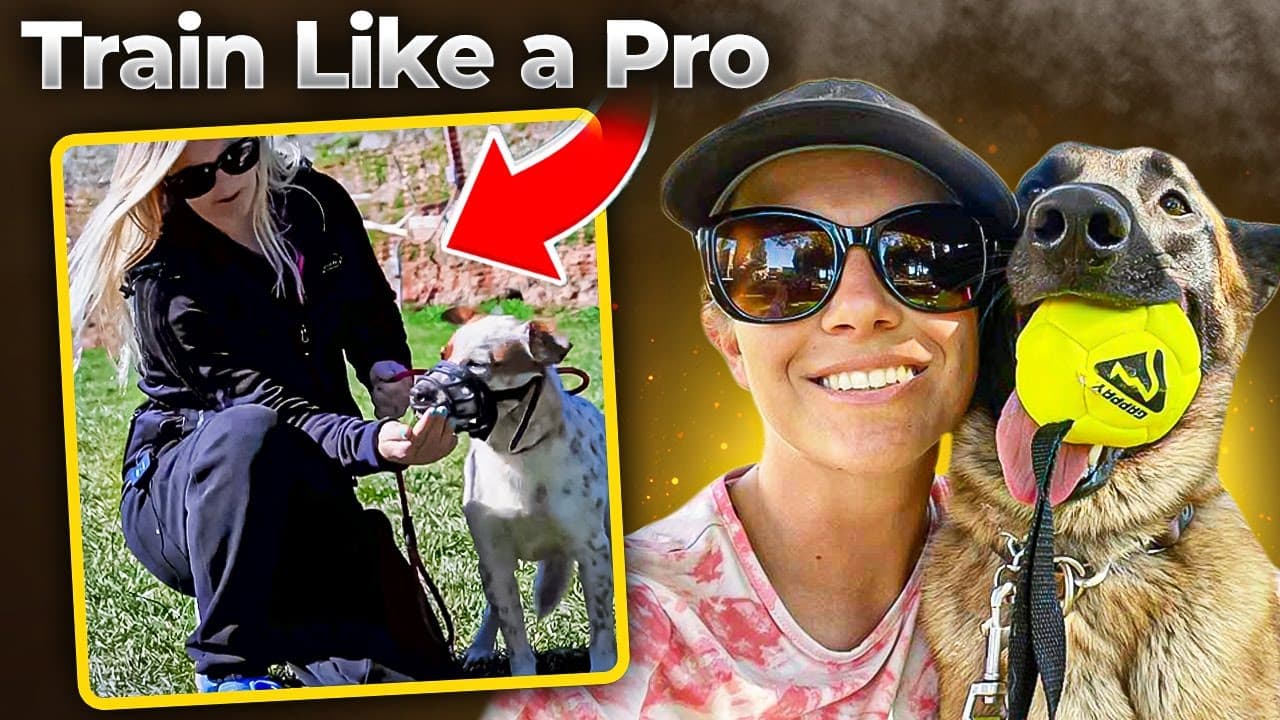
Bethany Preud'homme shares techniques for training fearful dogs.
Transcript
today you will be receiving a class from one of my favorite professional dog trainers you've seen her on my channel many times Bethany perdom she's going to be going over how to deal and work with dogs that may be showing some fear issues so let's go ahead and get started so we're over how I want you to greet them first and then we'll bring the dog... Read More
Key Insights
- Bethany Preud'homme emphasizes the need to adapt training techniques to each dog's unique needs rather than using a one-size-fits-all approach.
- Body language plays a crucial role in interacting with fearful dogs; avoiding direct eye contact and bending over them can reduce intimidation.
- The 'treat and retreat' method is effective for building trust, allowing dogs to approach at their comfort level.
- Genetics and socialization both influence a dog's fearfulness, as demonstrated by studies on foxes and real-life examples with dogs.
- Proper equipment and handling techniques are essential to prevent fearful dogs from escaping or becoming more stressed.
- Volunteers play a significant role in socializing fearful dogs, helping them get accustomed to different people and reducing fear-based reactions.
- Muzzling fearful dogs during training sessions can increase safety and confidence for both the dog and the handler.
- Understanding a dog's normal behavior and recognizing changes is vital for assessing their comfort level and potential stress triggers.
Install to Summarize YouTube Videos and Get Transcripts
Explore YouTube Video Summarizer or Get YouTube Transcript Extractor
Questions & Answers
Q: How does Bethany suggest greeting a fearful dog?
Bethany suggests greeting a fearful dog by turning your body perpendicular to them, kneeling down on one knee, and allowing the dog to approach. Avoid direct eye contact and bending over the dog to reduce intimidation. Offer treats with an extended hand without attempting to pet or talk to the dog initially.
Q: What is the 'treat and retreat' method?
The 'treat and retreat' method involves allowing the dog to approach and take a treat from your hand, then walking away to remove any pressure. This encourages the dog to follow and approach again at their own comfort level, gradually building trust without forcing interaction.
Q: How do genetics and socialization affect a dog's fearfulness?
Genetics and socialization both play significant roles in a dog's fearfulness. Studies show that breeding for friendliness or aggression can influence behavior, but socialization experiences, especially during critical periods, also impact a dog's reactions to fear-inducing situations. Both nature and nurture contribute to a dog's behavior.
Q: Why is proper equipment important when handling fearful dogs?
Proper equipment, such as well-fitted collars and leashes, is crucial to prevent fearful dogs from escaping during training. It ensures the dog's safety and helps maintain control without adding stress. Inappropriate equipment can lead to negative experiences, reinforcing fear and hindering progress.
Q: What role do volunteers play in socializing fearful dogs?
Volunteers are essential in socializing fearful dogs, providing diverse interactions that help dogs get accustomed to different people. This exposure reduces fear-based reactions and builds confidence. Volunteers can assist in controlled settings, ensuring safety while helping dogs learn to tolerate and eventually enjoy human interaction.
Q: How does muzzling benefit the training of fearful dogs?
Muzzling fearful dogs during training sessions increases safety for both the dog and the handler. It allows trainers to confidently work with the dog without the risk of bites, facilitating more relaxed interactions. Muzzling also helps prevent fear-based aggression from escalating, enabling more effective training.
Q: Why is it important to understand a dog's normal behavior?
Understanding a dog's normal behavior is crucial for identifying changes that indicate stress or discomfort. Recognizing these subtle cues allows trainers to adjust their approach, preventing escalation into fear-based reactions. Observing normal behavior helps in assessing the dog's progress and comfort level during training.
Q: What are the goals for training a fearful dog?
The goals for training a fearful dog include reducing fear-based reactions, building trust, and increasing the dog's confidence. Trainers aim to help dogs tolerate petting and interactions with strangers, ensuring they can handle everyday situations without panic. Ultimately, the goal is to improve the dog's quality of life and ease of handling.
Summary & Key Takeaways
-
Bethany Preud'homme, a professional dog trainer, shares her expertise on training fearful dogs, emphasizing tailored approaches and understanding each dog's unique needs.
-
The video highlights the importance of body language and the 'treat and retreat' method to build trust with fearful dogs, while also considering the impact of genetics and socialization.
-
Proper handling techniques, the use of muzzles, and volunteer involvement are crucial for safely and effectively socializing fearful dogs, helping them become more confident.
Read in Other Languages (beta)
Share This Summary 📚
Summarize YouTube Videos and Get Video Transcripts with 1-Click
Try YouTube Summary with ChatGPT & Claude or YouTube Transcript Generator
Explore More Summaries from Nate Schoemer 📚
Summarize YouTube Videos and Get Video Transcripts with 1-Click
Try YouTube Summary with ChatGPT & Claude or YouTube Transcript Generator