Why Did Kaiser Karl Pursue Peace During World War I?
TL;DR
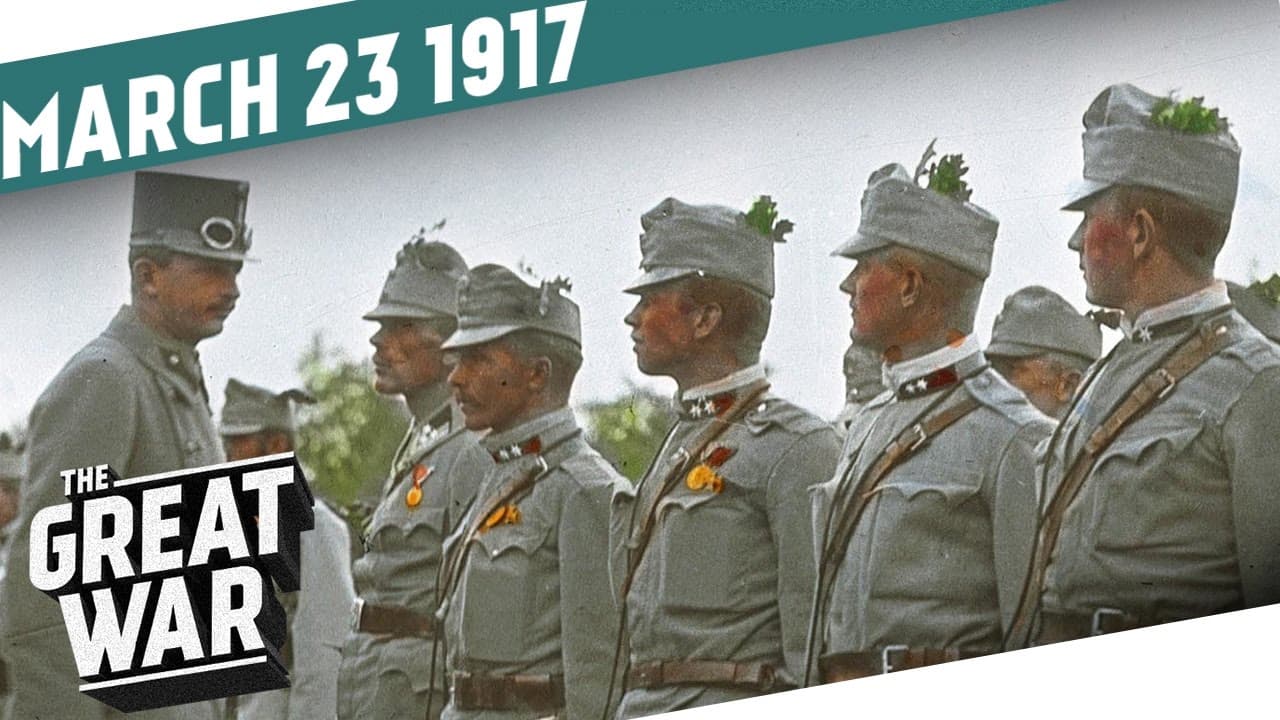
Kaiser Karl of Austria-Hungary pursued secret peace negotiations with the Entente to end the war, risking his relationship with Germany. His willingness to consider concessions such as recognizing French claims to Alsace-Lorraine highlights the severe impact of the war on millions of people globally, with advancing Allied forces further complicating military and political dynamics.
Transcript
We see battle after battle, all around the world, and yet no side can achieve victory. The millions of men fighting are obviously affected by the war each day, but unlike earlier wars, this war is total war and it also deeply affects every one of the people back home. I’m Indy Neidell; welcome to the Great War. Last week the world was stunned by a ... Read More
Key Insights
- The war remains a stalemate with millions affected, highlighting the total war's impact on both soldiers and civilians.
- The Russian Revolution leads to dual power struggles, affecting military morale and participation in the war.
- British and French forces gain ground on the Western Front, capturing numerous villages as Germans retreat.
- Austro-Hungarian Emperor Karl seeks a separate peace with the Entente, risking relations with Germany.
- Labor unrest in Britain due to poor conditions and management decisions highlights home front tensions.
- Submarine warfare by Germany prompts U.S. consideration of entering the war.
- The French battleship Danton and British hospital ship Asturias are torpedoed, resulting in significant casualties.
- Karl's secret negotiations with Entente powers could have long-term consequences for Austria-Hungary's alliance with Germany.
Install to Summarize YouTube Videos and Get Transcripts
Explore YouTube Video Summarizer or Get YouTube Transcript Extractor
Questions & Answers
Q: What was the impact of the Russian Revolution on the war?
The Russian Revolution led to a power struggle between the Provisional Government and the Petrograd Soviet, affecting military operations. The Provisional Government aimed to continue participating in the war, but the Soviet urged soldiers not to fight. This uncertainty weakened Russia's military effectiveness and contributed to broader instability on the Eastern Front.
Q: How did the British and French forces advance on the Western Front?
From March 17th to 19th, British and French forces captured 170 villages on the Western Front as Germans retreated to the Hindenburg Line. This marked a significant shift in the front lines, with the Allies gaining ground and the Germans abandoning positions they had held for two years, indicating a strategic withdrawal.
Q: What were the conditions like for workers in Britain during the war?
Workers in Britain faced harsh conditions, including inadequate housing, inflation, and extended work hours. Labor tensions were exacerbated by management's refusal to honor bonus schemes and the arrest of union officials, leading to strikes. These conditions highlighted the strain on the home front and the government's struggle to maintain morale and productivity.
Q: What was Kaiser Karl's approach to peace negotiations?
Kaiser Karl sought a separate peace with the Entente, motivated by a desire to distance Austria-Hungary from Germany. He was willing to concede territories like Alsace-Lorraine and support the independence of Belgium and Serbia. However, his approach was risky, as it involved negotiating away territories held by Germany and could jeopardize the Austro-German alliance.
Q: How did German submarine warfare affect the United States?
German submarine attacks on U.S. ships, including the sinking of three American vessels on March 18th and another on March 23rd, increased tensions with the United States. President Woodrow Wilson's cabinet unanimously supported entering the war against Germany, indicating a shift in U.S. policy towards active involvement in the conflict.
Q: What were the consequences of the submarine attacks on Allied ships?
The French battleship Danton was torpedoed, resulting in the loss of 296 lives, while the British hospital ship Asturias was attacked off the British coast, killing 31 people. These attacks underscored the dangers of submarine warfare and contributed to rising tensions and calls for retaliation among the Allies, particularly influencing U.S. sentiment towards entering the war.
Q: What was the significance of Karl's negotiations for the Austro-Hungarian Empire?
Karl's secret negotiations with the Entente were significant because they represented a shift in Austro-Hungarian policy, potentially undermining the alliance with Germany. By seeking a separate peace, Karl risked isolating his empire diplomatically and politically, which could have long-term consequences for Austria-Hungary's position in the war and its future stability.
Q: What challenges did the Austro-Hungarian Empire face during Karl's reign?
During Karl's reign, the Austro-Hungarian Empire faced challenges such as military setbacks, internal unrest, and strained relations with Germany. Karl's attempts at peace negotiations revealed his dissatisfaction with the war's progression and the empire's reliance on Germany, highlighting the complexities and limitations of Austro-Hungarian diplomacy during World War I.
Summary & Key Takeaways
-
Kaiser Karl of Austria-Hungary begins secret peace negotiations with the Entente, risking relations with Germany. Meanwhile, the war continues to affect millions globally, with significant military and civilian impacts.
-
The Russian Revolution creates governmental chaos, affecting military operations. On the Western Front, Allied forces make advances as Germans retreat to the Hindenburg Line.
-
British labor unrest due to poor conditions and management issues highlights home front struggles. German submarine warfare pressures the U.S. towards potential war involvement.
Read in Other Languages (beta)
Share This Summary 📚
Summarize YouTube Videos and Get Video Transcripts with 1-Click
Try YouTube Summary with ChatGPT & Claude or YouTube Transcript Generator
Explore More Summaries from The Great War 📚
Summarize YouTube Videos and Get Video Transcripts with 1-Click
Try YouTube Summary with ChatGPT & Claude or YouTube Transcript Generator