How Did the Seven Years War Lead to Revolution?
TL;DR
The Seven Years War set the stage for the American Revolution by intensifying economic and territorial tensions. The war's aftermath led to the British imposing the Proclamation Line of 1763, which restricted colonial expansion, angering settlers. Simultaneously, the Great Awakening and new political philosophies like republicanism and liberalism challenged traditional authority, fostering revolutionary sentiments.
Transcript
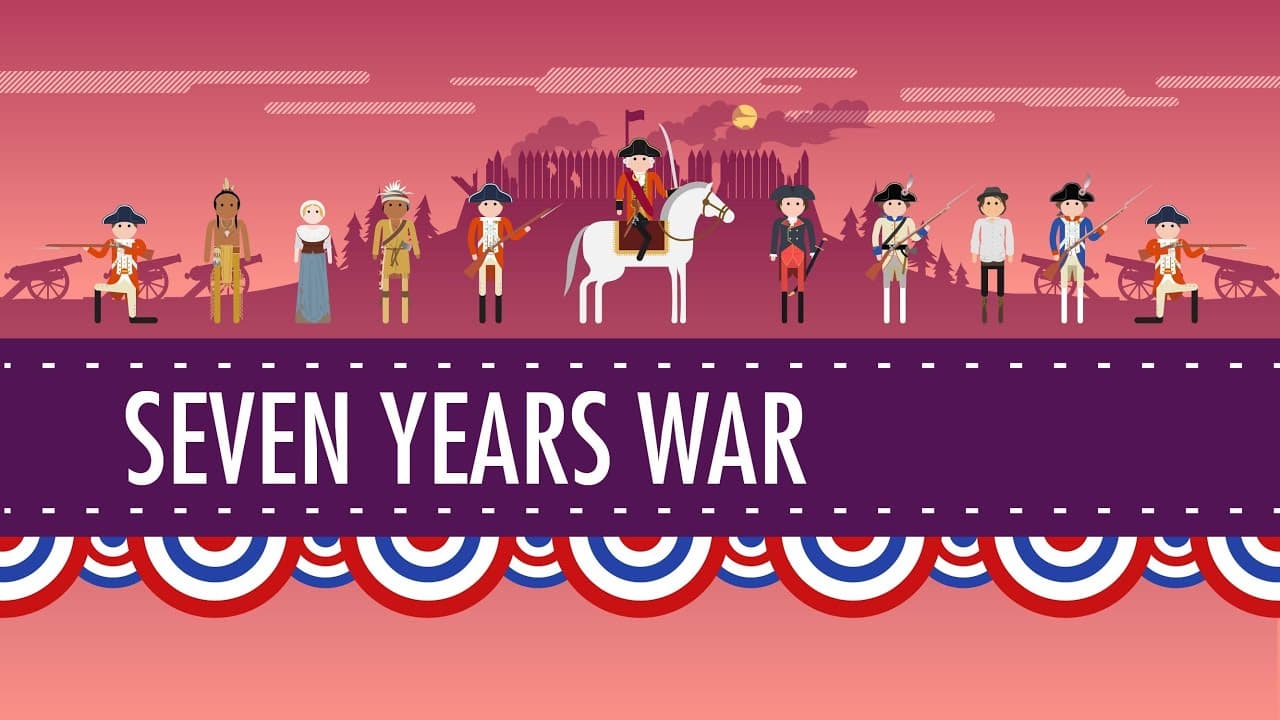
Hi, I'm John Green. This is Crash Course U.S. History. And today we're going to discuss the events that led to the events that led to the American revolution. So, we'll begin with the Seven Years War which, as Crash Course World History fans will remember, Winston Churchill referred to as as the "First World War". The Americans called it "The Frenc... Read More
Key Insights
- The Seven Years War is often called the first global war, lasting nine years despite its name.
- Mercantilism was the dominant economic theory, emphasizing government regulation to boost national power.
- The colonial economy heavily relied on slave labor, particularly for tobacco and sugar production.
- The French and Indian War name reflects the French and Native American alliance against British forces.
- The Treaty of Paris 1763 ended the war, with Britain gaining Canada but losing more valuable territories.
- The Proclamation Line of 1763 restricted colonial expansion, causing settler dissatisfaction.
- Republicanism and liberalism challenged traditional political authority and promoted new governance ideas.
- The Great Awakening revitalized religious fervor, undermining established church hierarchies and societal norms.
Install to Summarize YouTube Videos and Get Transcripts
Explore YouTube Video Summarizer or Get YouTube Transcript Extractor
Questions & Answers
Q: How did the Seven Years War contribute to the American Revolution?
The Seven Years War heightened economic and territorial tensions between Britain and its colonies. The war's outcome led to the Proclamation Line of 1763, restricting colonial expansion and angering settlers. Additionally, the war's financial strain on Britain resulted in increased taxation and regulation of the colonies, further fueling revolutionary sentiments.
Q: What was the Proclamation Line of 1763 and why did it upset colonists?
The Proclamation Line of 1763 was a British decree forbidding colonists from settling west of the Appalachian Mountains. It was intended to prevent conflicts with Native Americans but angered colonists who had fought for the right to expand into these territories. This restriction contributed to growing colonial resentment towards British rule.
Q: What role did mercantilism play in the colonial economy during the Seven Years War?
Mercantilism, the dominant economic theory, emphasized government regulation to increase national power. It encouraged local production through tariffs and monopolies, aiming for a favorable trade balance. Colonies were crucial in this system, providing raw materials and markets for finished goods, making them economically vital to the British Empire.
Q: How did the Great Awakening influence revolutionary sentiments in the colonies?
The Great Awakening was a religious revival that challenged established church hierarchies and emphasized personal salvation. It encouraged questioning of authority, both religious and political, and promoted individualism. This shift in mindset contributed to a broader questioning of British rule and traditional governance, fueling revolutionary sentiments.
Q: What were the key territorial changes after the Seven Years War?
The Treaty of Paris 1763 ended the Seven Years War, resulting in significant territorial changes. Britain gained Canada from France and Florida from Spain, while France retained valuable Caribbean sugar islands. Spain received Cuba and the Philippines, which were more economically valuable than Florida, highlighting the complex territorial negotiations post-war.
Q: Why is the Seven Years War also called the French and Indian War?
In North America, the Seven Years War is called the French and Indian War because it involved the French and their Native American allies fighting against British forces. The name reflects the alliances and conflicts specific to the North American theater of the broader global conflict, which spanned multiple continents.
Q: What is republicanism and how did it influence colonial politics?
Republicanism is a political philosophy advocating for a government without a monarchy. In the colonies, it evolved to emphasize civic virtue and the public good, challenging traditional political authority. It inspired colonial leaders to question British rule and envision a new political system based on these republican ideals, contributing to revolutionary thought.
Q: How did slave labor impact the colonial economy during the Seven Years War?
Slave labor was central to the colonial economy, particularly in the production of tobacco and sugar, which were key trade goods. The triangular trade system, involving Europe, Africa, and the colonies, relied heavily on enslaved Africans. This system underpinned the economic prosperity of colonial America, highlighting the deep entrenchment of slavery in its economic structure.
Summary & Key Takeaways
-
The Seven Years War, also known as the French and Indian War, was pivotal in leading to the American Revolution. It highlighted economic and territorial tensions between Britain and its colonies. The war ended with the Treaty of Paris in 1763, redistributing territories but leaving Britain with less valuable land.
-
The Proclamation Line of 1763, issued by Britain, restricted colonial expansion west of the Appalachian Mountains, angering settlers who had fought for that right. This fueled dissatisfaction and set the stage for revolutionary sentiments among the colonists.
-
The Great Awakening and emerging political philosophies like republicanism and liberalism further destabilized traditional authority. These movements criticized established religious and political hierarchies, fostering an environment ripe for revolution against British rule.
Read in Other Languages (beta)
Share This Summary 📚
Summarize YouTube Videos and Get Video Transcripts with 1-Click
Try YouTube Summary with ChatGPT & Claude or YouTube Transcript Generator
Explore More Summaries from CrashCourse 📚

Summarize YouTube Videos and Get Video Transcripts with 1-Click
Try YouTube Summary with ChatGPT & Claude or YouTube Transcript Generator