US Preparation - Alien Enemies Act - Franco-Prussian War I OUT OF THE TRENCHES
TL;DR
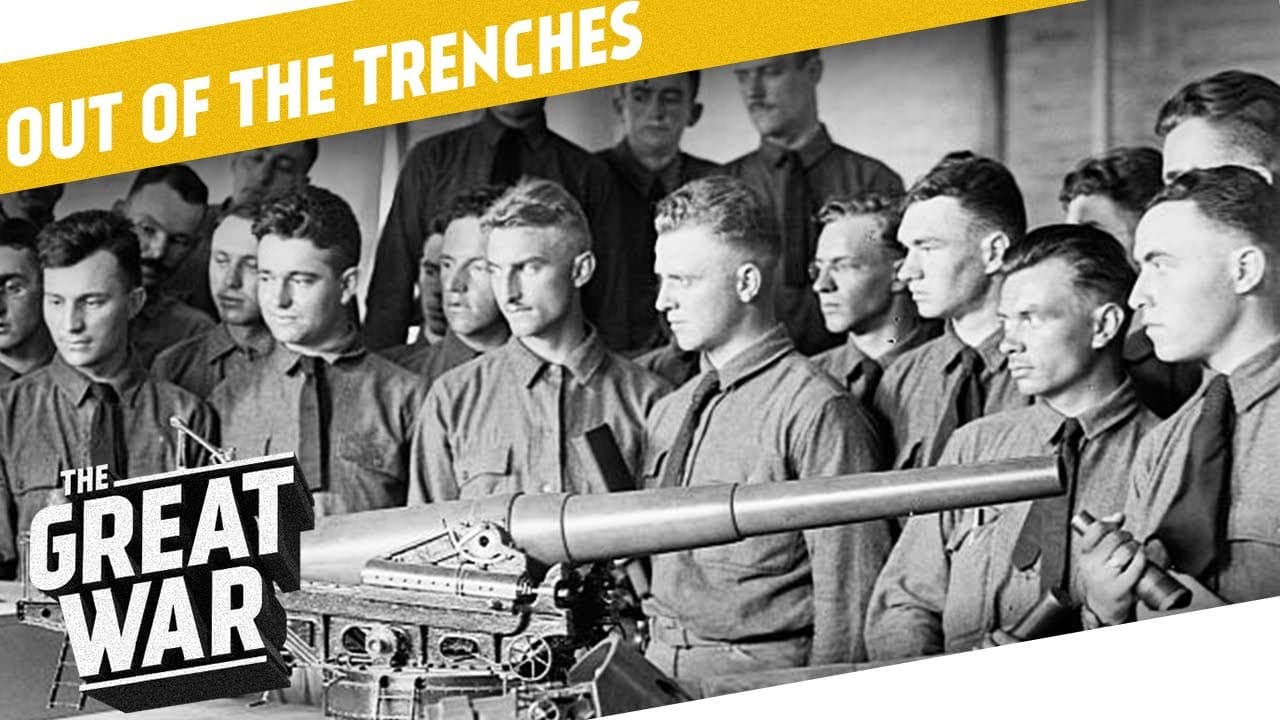
US prepared for WWI with European help; German-Americans faced restrictions.
Transcript
I'm Indie nidel and this is out of the trenches where I sit here in the chair of wisdom and answer all your questions about the first world war Murray writes hi Indian crew with the USA only having recently entered the war and starting to massively expand its Army Personnel what measures were taken to ensure that the Frontline officer kadre captain... Read More
Key Insights
- The US rapidly expanded its army after entering WWI, with French and British missions advising on training and organization.
- American officers initially underestimated trench warfare, believing in open warfare tactics, which led to high early casualties.
- The Alien Enemies Act of 1798 was used to restrict German nationals' freedoms in the US during WWI.
- Approximately 2,300 German nationals were interned in camps, while others faced social exclusion and job loss.
- European generals dismissed the American Civil War as amateurish, preferring the Franco-Prussian War as a model of modern warfare.
- The Franco-Prussian War was quick due to Prussia's efficient mobilization and infrastructure, unlike the prolonged American Civil War.
- German-Americans faced mistrust and surveillance, with pro-German media and organizations being banned.
- The US government's actions during WWI set a precedent for later internment practices, such as those during WWII.
Install to Summarize YouTube Videos and Get Transcripts
Explore YouTube Video Summarizer or Get YouTube Transcript Extractor
Questions & Answers
Q: What measures did the US take to prepare its officers for WWI?
The US collaborated with French and British military missions to train its officers in trench warfare and modern combat tactics. These missions advised on restructuring the army and dissolving cavalry units, ensuring the US forces were combat-ready. Despite these efforts, early engagements revealed a lack of experience and high casualty rates.
Q: How were German-Americans affected by the US entering WWI?
German-Americans faced significant restrictions under the Alien Enemies Act, with many being interned in camps and subjected to social exclusion and mistrust. They were required to register and carry identification cards, and faced job losses, particularly in the public sector. Pro-German media and organizations were also banned.
Q: Why did European generals dismiss the American Civil War?
European generals considered the American Civil War a war of amateurs due to the lack of a professional military tradition and compulsory service in the US. They viewed the battles as disorganized and lacking the modern infrastructure and artillery seen in European conflicts, such as the Franco-Prussian War.
Q: What made the Franco-Prussian War a model for modern warfare?
The Franco-Prussian War was seen as a model due to its efficient mobilization of large, mobile armies supported by a sophisticated network of roads and railways. Prussia's quick mobilization led to decisive victories through strategic outmaneuvering, contrasting with the prolonged and economically driven American Civil War.
Q: How did the US government's actions in WWI set a precedent for later internment practices?
The US government's use of the Alien Enemies Act to impose restrictions and intern German nationals during WWI set a precedent for similar actions in WWII. The internment of Japanese-Americans during WWII mirrored the mistrust and surveillance experienced by German-Americans, highlighting recurring themes of xenophobia and national security concerns.
Q: What role did European military missions play in US WWI preparations?
European military missions played a crucial role in advising the US on organizing and training its army for trench warfare. They helped restructure the army into combat-ready divisions and provided insights into modern warfare tactics, although the rapid expansion still resulted in high casualty rates in early battles.
Q: How did public perception of German-Americans change during WWI?
Public perception of German-Americans became increasingly negative during WWI, as they were viewed with suspicion and mistrust. This led to social exclusion, job losses, and the banning of pro-German media and organizations. The hostile environment was fueled by fears of espionage and national security threats.
Q: What were the key differences between the Franco-Prussian War and the American Civil War?
The Franco-Prussian War was characterized by quick mobilization, strategic outmaneuvering, and modern infrastructure, making it a textbook example of European warfare. In contrast, the American Civil War was seen as disorganized and amateurish, with economic factors playing a significant role in its prolonged nature and ultimate outcome.
Summary & Key Takeaways
-
The US, upon entering WWI, sought guidance from French and British military missions to train and organize its rapidly expanding army, focusing on adapting to trench warfare.
-
The Alien Enemies Act was utilized by the US government to impose restrictions on German nationals, leading to internment and social exclusion during WWI.
-
European military leaders viewed the Franco-Prussian War as a model of modern warfare, dismissing the American Civil War as an amateur conflict despite its similarities to WWI.
Read in Other Languages (beta)
Share This Summary 📚
Summarize YouTube Videos and Get Video Transcripts with 1-Click
Try YouTube Summary with ChatGPT & Claude or YouTube Transcript Generator
Explore More Summaries from The Great War 📚

Summarize YouTube Videos and Get Video Transcripts with 1-Click
Try YouTube Summary with ChatGPT & Claude or YouTube Transcript Generator