Barclays CEO: Investment Banking Has a Big Problem
TL;DR
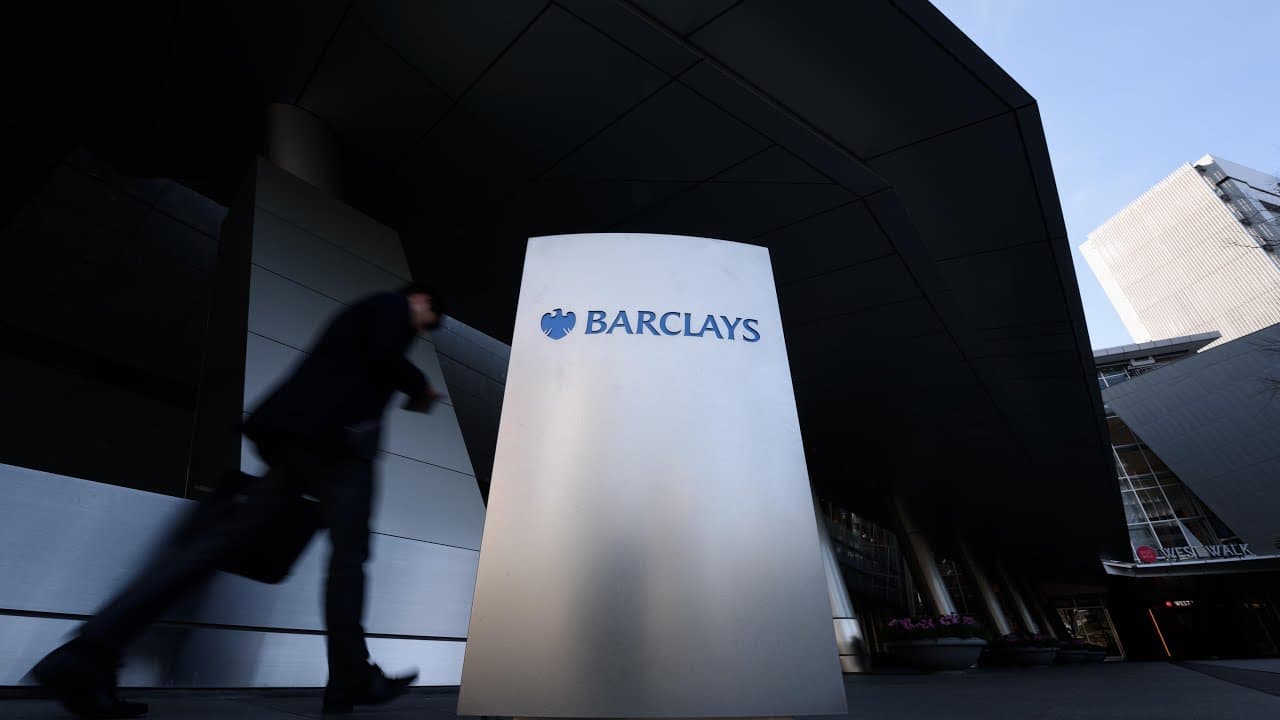
Barclays faces strategic challenges in investment banking and Africa.
Transcript
you've had a chance now to talk about the bank's new strategy with some of your largest investors and it's fair to say some of them are deeply skeptical what's the hardest question you've had to answer um you know we've made two strategic uh decisions uh in the first 100 days uh one was to sell to a deconsolidated non-controlling position in Africa... Read More
Key Insights
- Barclays plans to deconsolidate its African operations, a decision influenced by over a century of presence in regions like Kenya and Uganda, highlighting the strategic shift in focus.
- The investment banking sector is struggling to cover its cost of capital, posing a fundamental issue in the financial system that Barclays is addressing through strategic realignment.
- Barclays reduced its dividend by 50% for 2016 and 2017 to fund the closure and sale of non-core businesses, despite shareholder preference for income.
- The bank is exiting retail banking in Continental Europe, having sold operations in Italy and Spain, and is in the process of selling its French business.
- Barclays closed its investment banking operations in nine emerging market countries in January, signifying a strategic withdrawal from these regions.
- The core business of Barclays, including consumer credit cards, corporate, and investment banking, generated an 11% return on equity last year.
- Barclays aims to strengthen its financial position by 2017, with a focus on increasing stock value above book value through strategic decisions.
- There is considerable interest from potential buyers for Barclays Africa, but any sale would require coordination with the South African government and other stakeholders.
Install to Summarize YouTube Videos and Get Transcripts
Explore YouTube Video Summarizer or Get YouTube Transcript Extractor
Questions & Answers
Q: What strategic decisions has Barclays made regarding its African operations?
Barclays has decided to deconsolidate its African operations, reducing its stake to a non-controlling position. This decision comes after over a century of presence in countries like Kenya and Uganda. The move is part of a broader strategic shift, and while Barclays aims to keep some optionality in Africa, it is open to strategic sales if the right opportunity arises.
Q: Why is the investment banking sector facing challenges according to Barclays' CEO?
Barclays CEO Jes Staley highlights that the investment banking sector is currently unable to cover its cost of capital, which is a fundamental flaw in the financial system. This challenge is part of the broader strategic issues Barclays is addressing, with a focus on realigning its investment banking operations to improve financial performance and shareholder value.
Q: How has Barclays' dividend policy changed, and why?
Barclays has reduced its dividend by 50% for 2016 and 2017. This decision was made to allocate funds for the closure and sale of non-core businesses, despite the strong preference for income among UK shareholders. The move is designed to provide financial flexibility and support the bank's restructuring efforts, ultimately aiming to enhance long-term shareholder value.
Q: What steps is Barclays taking to exit retail banking in Continental Europe?
Barclays is exiting retail banking in Continental Europe as part of its strategic restructuring. The bank has already sold its retail operations in Italy and Spain and is in the process of selling its French business. This move is intended to focus on core operations and improve financial performance by divesting non-core assets and reducing operational complexity.
Q: What is the status of Barclays' investment banking operations in emerging markets?
Barclays has significantly scaled back its investment banking operations in emerging markets, having closed operations in nine countries as of January. This strategic withdrawal is part of the bank's broader efforts to streamline operations and focus on areas that offer better returns, aligning with its goal to enhance financial performance and shareholder value.
Q: How did Barclays' core business perform last year?
Barclays' core business, which includes consumer credit cards, corporate, and investment banking, performed well last year, generating an 11% return on equity. This profitability underscores the strength of the bank's core operations, even as it navigates strategic challenges and restructures non-core areas to support future growth and financial health.
Q: What are Barclays' financial goals for 2017?
Barclays aims to strengthen its financial position by 2017, focusing on increasing its stock value above book value. This goal is part of the bank's broader strategy to address strategic challenges, improve financial performance, and enhance shareholder value through careful management of resources and strategic realignment of operations.
Q: Is there interest in Barclays Africa from potential buyers?
Yes, there is considerable interest from potential buyers for Barclays Africa. However, any decision to sell would require coordination with the South African government and other stakeholders. While Barclays is open to strategic sales, the decision ultimately lies with the board of directors, and the bank aims to protect its franchise in Africa during the process.
Summary & Key Takeaways
-
Barclays CEO Jes Staley discusses the bank's strategic decisions, including the deconsolidation of African operations and challenges in the investment banking sector. The bank is undergoing significant restructuring, exiting retail banking in Continental Europe and closing investment banking operations in emerging markets to improve financial performance.
-
The reduction of Barclays' dividend by 50% for two years is aimed at funding the closure and sale of non-core businesses, despite shareholder preferences for income. This move is part of a broader strategy to enhance the bank's financial health and position it for future growth, with a focus on core operations.
-
Barclays' core business remains profitable, with an 11% return on equity reported last year. The bank is navigating complex strategic challenges, including potential sales of African operations, which require careful coordination with governments and stakeholders. Interest from potential buyers is present, but decisions will be made by the board.
Read in Other Languages (beta)
Share This Summary 📚
Summarize YouTube Videos and Get Video Transcripts with 1-Click
Try YouTube Summary with ChatGPT & Claude or YouTube Transcript Generator
Explore More Summaries from Bloomberg Originals 📚





Summarize YouTube Videos and Get Video Transcripts with 1-Click
Try YouTube Summary with ChatGPT & Claude or YouTube Transcript Generator