What Were the Ottoman Army Uniforms Like in WWI?
TL;DR
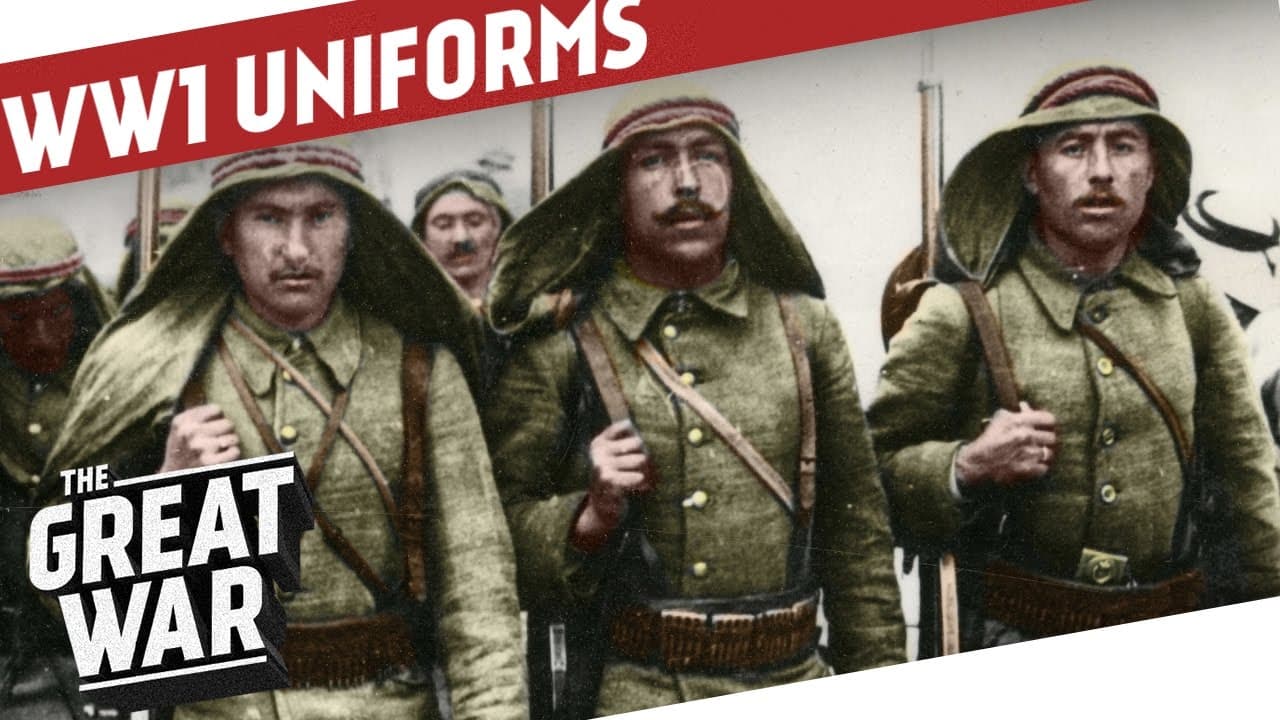
The Ottoman army uniforms during World War I transitioned from dark blue to khaki after the Young Turk Revolution in 1908, with varied styles influenced by foreign designs, particularly German. However, due to supply issues, uniform quality deteriorated significantly, leaving many soldiers poorly equipped, especially during the war's latter stages.
Transcript
What the soldiers of the warring nations wore on their bodies varied widely, so we’re doing a series of specials on the uniforms of those nations, and today I’ll be looking at the Ottoman Empire. I’m Indy Neidell; welcome to a Great War special episode on Ottoman Army uniforms during the First World War. One physically visible result of the Young T... Read More
Key Insights
- The Young Turk Revolution of 1908 led to significant changes in the Ottoman army uniforms, reflecting attempts to modernize under foreign influences, particularly German.
- The Ottoman army's uniform reforms included a shift from dark blue to khaki, with the kabalak and bashlik replacing the traditional red fez.
- Uniform quality varied significantly, especially towards the end of WWI, with many soldiers lacking adequate clothing and equipment.
- The Ottoman army's branches were distinguished by specific colored collars and patches, indicating roles such as infantry, artillery, and engineers.
- Headgear evolved to accommodate Islamic traditions, with naval caps designed to allow prayer without removal.
- German influence was evident in the Ottoman army's personal equipment and weaponry, including Mauser rifles and bayonets.
- Supply issues led to a wide disparity in uniform quality and availability, with some units severely under-equipped.
- The Ottoman army fought across diverse climates, necessitating adaptations in uniforms and equipment to suit environments from deserts to frozen mountains.
Install to Summarize YouTube Videos and Get Transcripts
Explore YouTube Video Summarizer or Get YouTube Transcript Extractor
Questions & Answers
Q: What were the main changes in Ottoman army uniforms after the Young Turk Revolution?
After the Young Turk Revolution, the Ottoman army uniforms underwent significant changes, including the adoption of a basic khaki uniform to replace the old dark blue one. The traditional red fez was replaced by the kabalak and later the bashlik, reflecting a shift towards modern, practical military attire influenced by German styles.
Q: How did the Ottoman army's uniform quality vary during World War I?
The quality of Ottoman army uniforms varied significantly during World War I, particularly towards the end of the conflict. While initially well-equipped, the standards deteriorated due to supply issues, resulting in a wide range from acceptable to appalling. This inconsistency was exacerbated by the diverse climates in which they fought, necessitating varied adaptations.
Q: What role did foreign influences play in the Ottoman army's uniform design?
Foreign influences, particularly from Germany, played a crucial role in the design of Ottoman army uniforms. This was evident in the adoption of khaki uniforms and German-style headgear. The personal equipment, including rifles and bayonets, was also primarily of German manufacture, reflecting a broader attempt to modernize the army along European lines.
Q: How were different branches of the Ottoman army distinguished by their uniforms?
Different branches of the Ottoman army were distinguished by specific colored collars for officers and patches for other ranks. For example, olive green indicated infantry, dark blue was for artillery, and mid-blue represented engineers. These colors were also used in the edging of the officers' kabalak, helping identify their roles within the military structure.
Q: What adaptations were made to Ottoman army uniforms to accommodate Islamic traditions?
Adaptations to Ottoman army uniforms to accommodate Islamic traditions included the design of naval caps without a front peak, allowing soldiers to touch their heads to the ground during prayers without removing their headgear. This design consideration was a nod to Islamic customs while maintaining military functionality.
Q: How did the Ottoman army's equipment reflect German influence?
The Ottoman army's equipment was heavily influenced by German designs, as seen in their use of Mauser rifles and German-manufactured bayonets. Personal equipment was largely German in design, and many officers procured their pistols from European sources, illustrating the significant impact of German military standards on the Ottoman forces.
Q: What challenges did the Ottoman army face in terms of equipment and supplies during WWI?
The Ottoman army faced significant challenges in terms of equipment and supplies during WWI, with many units severely under-equipped. Some units of 8,000 men had only 1,000 rifles, and there was a general shortage of entrenching tools and quality boots. These issues were compounded by the diverse and harsh climates they encountered.
Q: How did the diverse climates affect the Ottoman army's uniforms and equipment?
The diverse climates in which the Ottoman army fought, from deserts to frozen mountains, required significant adaptations in uniforms and equipment. These environmental challenges necessitated varied clothing and gear to suit extreme conditions, further complicating supply issues and contributing to the wide variance in uniform quality and functionality.
Summary & Key Takeaways
-
The Ottoman army underwent significant uniform reforms after the Young Turk Revolution, influenced by foreign styles, particularly German. These changes included a shift to khaki uniforms and new headgear styles. However, supply issues led to a wide variance in uniform quality and availability across the empire.
-
Uniforms in the Ottoman army were marked by different colors to denote branches like infantry and artillery. The quality of uniforms deteriorated as the war progressed, with many soldiers lacking basic equipment. Despite reforms, the diversity of climates they fought in required further adaptations.
-
The Ottoman army's equipment was heavily influenced by German designs, including rifles and bayonets. The supply problems meant that many soldiers were poorly equipped, with some units having only a fraction of the necessary rifles. This disparity was exacerbated by the varied climates they encountered.
Read in Other Languages (beta)
Share This Summary 📚
Summarize YouTube Videos and Get Video Transcripts with 1-Click
Try YouTube Summary with ChatGPT & Claude or YouTube Transcript Generator
Explore More Summaries from The Great War 📚



Summarize YouTube Videos and Get Video Transcripts with 1-Click
Try YouTube Summary with ChatGPT & Claude or YouTube Transcript Generator