Why Chinese Tech Giant Huawei Scares the U.S.
TL;DR
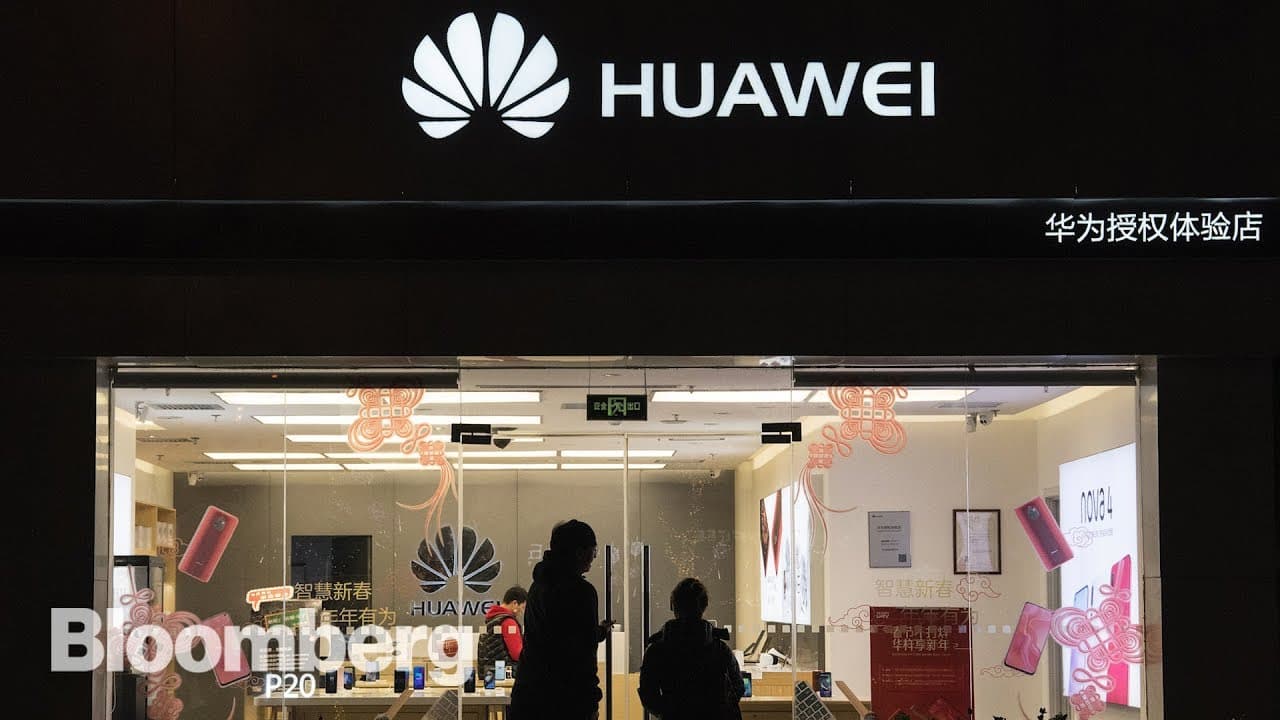
Huawei faces U.S. scrutiny amidst its 5G expansion.
Transcript
Since December 2018, China’s biggest company, Huawei, has has been rocked by political and legal turmoil. Huawei, a company that most Americans may not have even heard of until just recently. The FBI is investigating Huawei’s dealings with this tiny Chicago-area startup… Huawei can create a backdoor to China. The Trump administration has been on a ... Read More
Key Insights
- Huawei, China's largest tech company, is under U.S. investigation for potential security threats related to its 5G technology.
- The U.S. government has been actively blocking Huawei from participating in 5G network development due to national security concerns.
- Huawei's rapid growth from a small parts reseller to a global tech giant highlights its strategic importance to China's tech ambitions.
- The arrest of Huawei's CFO, Meng Wanzhou, marked a significant escalation in U.S.-China tech tensions.
- Huawei has been accused of intellectual property theft by major companies like Cisco and Motorola, raising concerns over its business practices.
- Despite U.S. pressure, Huawei continues to be a major player in global telecom markets, offering cost-effective and reliable equipment.
- The potential for hidden backdoors in Huawei's 5G technology is a major concern for Western nations, fearing espionage and cyber threats.
- China's national security laws compel companies like Huawei to cooperate with government intelligence, fueling U.S. suspicions.
Install to Summarize YouTube Videos and Get Transcripts
Explore YouTube Video Summarizer or Get YouTube Transcript Extractor
Questions & Answers
Q: What is the main reason for the U.S. government's concern about Huawei?
The U.S. government is concerned about Huawei due to potential national security threats associated with its 5G technology. There are fears that Huawei's equipment could contain hidden backdoors, allowing for espionage and cyberattacks by the Chinese government. This has led to efforts to block Huawei from participating in U.S. and allied 5G networks.
Q: How did Huawei grow to become a global tech giant?
Huawei's growth into a global tech giant can be attributed to its strategic government connections, high-quality products, and competitive pricing. Founded in 1987 by Ren Zhengfei, Huawei initially focused on reselling and reverse-engineering telecom equipment. Its early contracts with the Chinese government and military helped establish its presence, while its innovative and affordable products fueled its expansion worldwide.
Q: What legal challenges has Huawei faced in the United States?
Huawei has faced several legal challenges in the United States, including indictments for theft of trade secrets, conspiracy, and obstruction of justice. These charges stem from allegations of intellectual property theft from companies like T-Mobile. Additionally, the arrest of Huawei's CFO, Meng Wanzhou, in December 2018 marked a significant escalation in tensions between the U.S. and Huawei.
Q: How has Huawei's role in the 5G revolution impacted its global influence?
Huawei's role in the 5G revolution has significantly increased its global influence. As a leader in telecom equipment manufacturing, Huawei is at the forefront of building the infrastructure for 5G networks, which are crucial for future technological advancements. This position has made Huawei a key player in global tech, but also a target for scrutiny from countries concerned about potential security risks.
Q: What are the implications of China's national security laws on Huawei's operations?
China's national security laws require companies like Huawei to cooperate with government intelligence services if requested. This has raised concerns among Western nations that Huawei could be compelled to provide access to sensitive data, potentially enabling espionage or cyberattacks. The existence of these laws fuels suspicions that Huawei's technology could be used for surveillance purposes.
Q: Why do some countries and companies continue to support Huawei despite U.S. pressure?
Some countries and companies continue to support Huawei because of its reputation for providing reliable and cost-effective telecom equipment. Huawei's technology is often seen as superior in terms of price-performance ratio, making it an attractive option for building telecom infrastructure. Additionally, some nations may prioritize economic considerations and technological advancement over security concerns raised by the U.S.
Q: What historical accusations of intellectual property theft has Huawei faced?
Huawei has faced historical accusations of intellectual property theft from major companies like Cisco and Motorola. These allegations date back to 2002 and 2010, respectively, and involve claims that Huawei copied proprietary technology to gain a competitive advantage. Such accusations have contributed to the perception of Huawei as a company that engages in unethical business practices.
Q: How has Huawei's relationship with the Chinese government influenced its business success?
Huawei's relationship with the Chinese government has been a significant factor in its business success. Early contracts with government and military entities provided Huawei with the necessary connections and support to grow. Additionally, government backing has likely facilitated Huawei's access to resources and markets, allowing it to expand rapidly and compete effectively on a global scale.
Summary & Key Takeaways
-
Huawei is at the center of a geopolitical conflict between the U.S. and China, primarily due to its role in the global 5G network expansion. The U.S. government views Huawei as a national security threat, citing potential espionage risks through its technology.
-
Founded in 1987 by former military engineer Ren Zhengfei, Huawei has grown into a telecommunications giant, surpassing companies like Apple in smartphone manufacturing. Its success is partly due to its strategic government connections and high-quality, affordable products.
-
The U.S. has taken legal actions against Huawei, including indictments for trade secret theft and conspiracy. Despite these challenges, Huawei remains influential, with many global companies relying on its technology for telecom infrastructure.
Read in Other Languages (beta)
Share This Summary 📚
Summarize YouTube Videos and Get Video Transcripts with 1-Click
Try YouTube Summary with ChatGPT & Claude or YouTube Transcript Generator
Explore More Summaries from Bloomberg Originals 📚





Summarize YouTube Videos and Get Video Transcripts with 1-Click
Try YouTube Summary with ChatGPT & Claude or YouTube Transcript Generator