How the Netherlands Led a Food Revolution
TL;DR
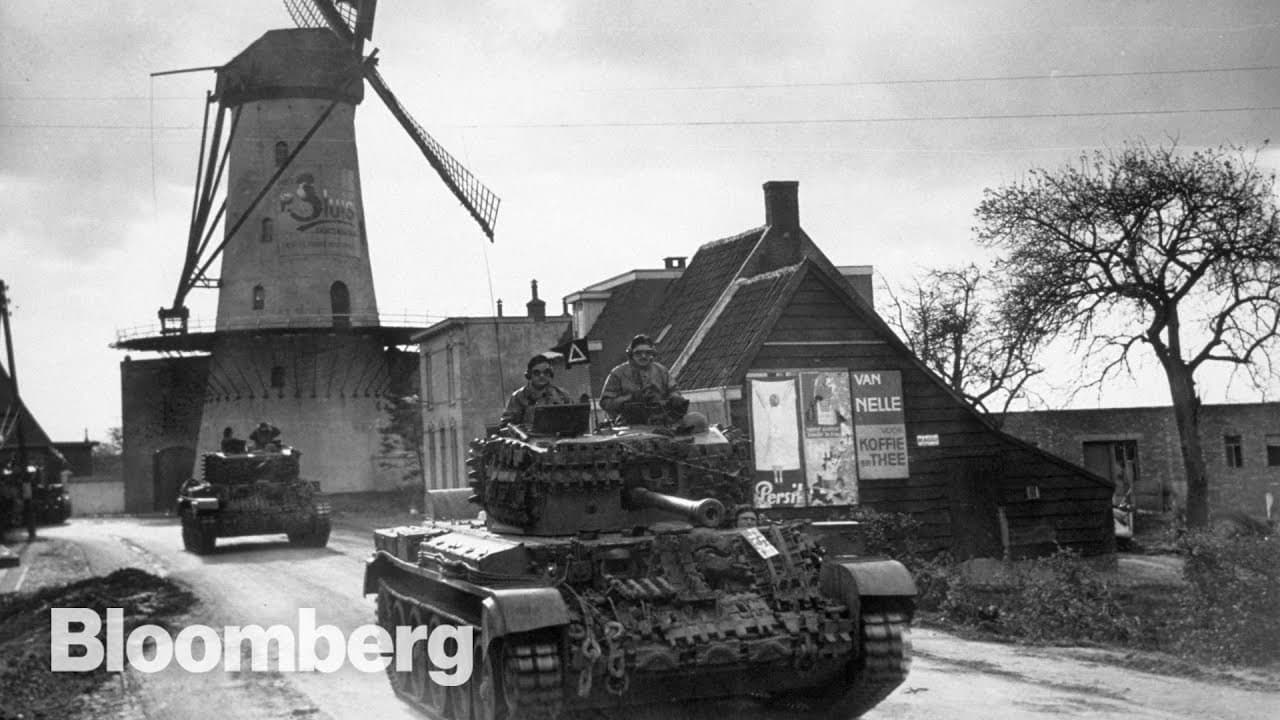
The Netherlands transformed from famine to agricultural powerhouse.
Transcript
The Netherlands is a small country. It’s so small, you could fit it into the U.S. two hundred and seventy times. But it’s big when it comes to making food. Remarkably it has the second largest agricultural exports in the world, mainly through being able to produce vast amounts of food on tiny plots. The Netherlands isn’t exactly designed for mass f... Read More
Key Insights
- The Netherlands, despite its small size, is the second largest agricultural exporter globally, achieving high yields on limited land through innovation.
- Dutch farmers have historically adapted to limited space by using techniques like land reclamation and advanced farming technologies.
- The Dutch agricultural transformation was driven by post-WWII policies focusing on food security, spearheaded by former Minister of Agriculture, Sicco Mansholt.
- State support and technological advancements, such as machinery and fertilizers, significantly increased agricultural productivity in the Netherlands.
- Innovations in greenhouse technology allowed Dutch farmers to grow crops year-round, drastically increasing yields and efficiency.
- The discovery of the Groningen gas field provided cheap energy, boosting greenhouse horticulture and crop production.
- The Netherlands has achieved the world's highest yields for certain crops, using significantly less water than the global average.
- Despite criticisms of over-intensive farming methods, the Netherlands has reduced fertilizer use and continues to innovate for sustainable agriculture.
Install to Summarize YouTube Videos and Get Transcripts
Explore YouTube Video Summarizer or Get YouTube Transcript Extractor
Questions & Answers
Q: How has the Netherlands become a leading agricultural exporter?
The Netherlands became a leading agricultural exporter by employing innovative farming techniques, such as advanced greenhouse technology and efficient resource use. Post-WWII policies focused on food security and state support, transforming the agricultural sector. The discovery of the Groningen gas field provided cheap energy, further enhancing productivity.
Q: What role did Sicco Mansholt play in the Dutch agricultural transformation?
Sicco Mansholt, a former farmer and resistance fighter, played a crucial role in the Dutch agricultural transformation post-WWII. As Minister of Agriculture, he prioritized food security and implemented policies for mass production, land consolidation, and state support, driving the shift from traditional farming to large-scale, efficient agriculture.
Q: How did greenhouse technology impact Dutch agriculture?
Greenhouse technology revolutionized Dutch agriculture by enabling year-round crop production and significantly increasing yields. These controlled environments allowed for precise temperature, humidity, and water management, leading to higher efficiency and productivity. The Dutch now achieve world-leading yields for crops like cucumbers and tomatoes using greenhouse technology.
Q: What was the impact of the Groningen gas field discovery on Dutch farming?
The discovery of the Groningen gas field in 1959 provided a significant boost to Dutch farming by offering cheap energy. This energy source was crucial for powering greenhouses, which in turn increased crop production and efficiency. The availability of affordable energy also contributed to the overall growth of the agricultural sector.
Q: How has the Netherlands addressed criticisms of over-intensive farming methods?
The Netherlands has addressed criticisms of over-intensive farming methods by reducing fertilizer use and focusing on sustainable practices. From 1999 to 2014, the average fertilizer use per hectare was more than halved. The country continues to innovate in sustainable agriculture, balancing productivity with environmental responsibility.
Q: What are the key factors behind the Netherlands' high agricultural yields?
Key factors behind the Netherlands' high agricultural yields include advanced greenhouse technology, efficient resource use, and innovative farming practices. The country's focus on research and development, state support, and the availability of cheap energy from the Groningen gas field have also contributed to its agricultural success.
Q: How did post-WWII policies shape Dutch agriculture?
Post-WWII policies shaped Dutch agriculture by prioritizing food security and transforming the sector into a large-scale, efficient industry. Under the leadership of Sicco Mansholt, the government implemented land consolidation, state support, and technological advancements, such as machinery and fertilizers, driving significant increases in agricultural productivity.
Q: What role does sustainable agriculture play in the Netherlands' agricultural strategy?
Sustainable agriculture plays a crucial role in the Netherlands' agricultural strategy as the country seeks to balance productivity with environmental responsibility. By reducing fertilizer use and innovating in resource-efficient practices, the Netherlands aims to maintain its position as a global leader in agriculture while addressing environmental concerns and future food security challenges.
Summary & Key Takeaways
-
The Netherlands has become a leading agricultural exporter through innovative farming techniques, despite its small size and limited land. Post-WWII policies focused on food security, technological advancements, and state support, transforming the country into an agricultural powerhouse.
-
Dutch innovations in greenhouse technology and efficient use of resources have led to world-leading yields in crops like cucumbers and tomatoes. The discovery of the Groningen gas field provided cheap energy, further boosting productivity and efficiency in Dutch agriculture.
-
Despite criticisms of intensive farming practices, the Netherlands has made strides in reducing fertilizer use and continues to advance sustainable agriculture. The country's expertise and technology are crucial for addressing global food security challenges in the face of a growing population.
Read in Other Languages (beta)
Share This Summary 📚
Summarize YouTube Videos and Get Video Transcripts with 1-Click
Try YouTube Summary with ChatGPT & Claude or YouTube Transcript Generator
Explore More Summaries from Bloomberg Originals 📚

Summarize YouTube Videos and Get Video Transcripts with 1-Click
Try YouTube Summary with ChatGPT & Claude or YouTube Transcript Generator