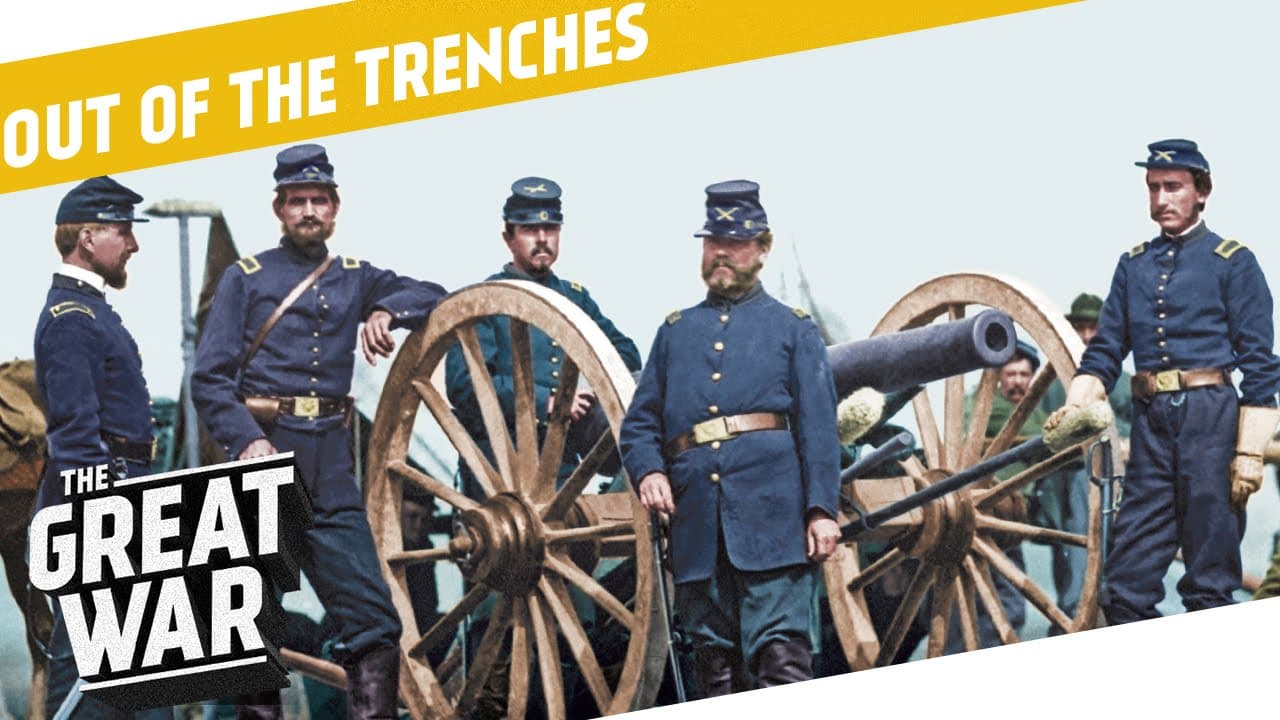
Why Didn't They Learn Anything From the American Civil War? I OUT OF THE TRENCHES
TL;DR
World War I failed to learn key lessons from the American Civil War.
Transcript
hi I'm Indie nidel and this is another episode of out of the trenches which is our Great War special Series where I answer all of you fantastic viewers questions about World War I now I usually sit in the chair of wisdom in Berlin where we have the studio and answer their questions but these two guys came up to Stockholm to shoot some special episo... Read More
Key Insights
- European powers sent military observers to the US Civil War, but found the conflict too alien to apply its lessons to their own strategies.
- The US Civil War introduced innovations like barbed wire, trenches, and submarines, which were not fully adopted by European military strategies until World War I.
- The Russo-Japanese War was a more recent example that could have influenced World War I strategies, with its use of trenches and machine guns.
- Airships, notably Zeppelins, were used by various nations during World War I for reconnaissance and bombing, but there is no record of airship-to-airship combat.
- Facial hair was common among military leaders, but soldiers in the trenches shaved to ensure gas masks fit properly, influencing post-war fashion.
- Proposals for educational content include introducing nations involved in World War I to help students understand historical contexts.
- The Great War channel engages with educators and students, providing historical content for classroom use.
- The channel encourages viewer interaction, inviting questions and feedback to enhance historical discussions.
Install to Summarize YouTube Videos and Get Transcripts
Explore YouTube Video Summarizer or Get YouTube Transcript Extractor
Questions & Answers
Q: Did any side during World War I learn from the US Civil War?
Although European powers sent military observers to the US Civil War, the reports were often regarded as too exotic and alien to influence their strategies. The scale and innovations of the Civil War, like trenches and barbed wire, were not fully appreciated until World War I.
Q: Were there any airship battles in World War I?
While airships such as Zeppelins were used by various nations for reconnaissance and bombing during World War I, there is no recorded instance of airship-to-airship combat. Airships were effective in spotting and escorting convoys, but their primary role was not direct combat.
Q: Why did soldiers in World War I trenches shave regularly?
Soldiers in World War I trenches shaved regularly to ensure a proper fit for gas masks. Facial hair could cause the masks to leak, exposing soldiers to poison gas. This necessity for safety influenced post-war fashion trends, as clean-shaven faces became popular.
Q: What was the significance of the Russo-Japanese War for World War I?
The Russo-Japanese War of 1904-1905 was more relevant for World War I strategies than the US Civil War. It involved modern warfare elements like trenches and machine guns, providing a more recent example of tactics that could have informed World War I military planning.
Q: How does The Great War channel engage with educators?
The Great War channel actively engages with educators by providing historical content suitable for classroom use. They receive feedback and suggestions from teachers and students, enhancing their educational offerings and encouraging the use of their videos in history lessons.
Q: What was the role of facial hair among World War I military leaders?
Facial hair was a common characteristic among World War I military leaders, as seen in various generals and leaders. However, soldiers in the trenches had to shave to ensure gas masks fit properly, leading to a shift in popular fashion towards clean-shaven faces after the war.
Q: What educational content does The Great War channel propose?
The Great War channel proposes creating educational content that introduces the nations involved in World War I. This would help students understand the historical contexts and differences between the major powers, enhancing their grasp of World War I's complex geopolitical landscape.
Q: How can viewers support The Great War channel?
Viewers can support The Great War channel by sharing videos, spreading the word about their work, and providing financial support through Patreon. Engaging with their content on social media and recommending the channel to educators also helps expand their reach and impact.
Summary & Key Takeaways
-
The Great War channel discusses why World War I generals failed to learn from the American Civil War, despite European observers witnessing its innovations. These included trenches and barbed wire, which later became significant in World War I.
-
Indy Neidell addresses viewer questions, noting that the Russo-Japanese War offered more relevant lessons for World War I strategies. Airships were used during the war, but no airship-to-airship battles are documented.
-
The channel engages with educators, suggesting content to introduce World War I nations to students. Facial hair trends among military leaders and trench shaving practices are highlighted, showing cultural impacts of the war.
Read in Other Languages (beta)
Share This Summary 📚
Summarize YouTube Videos and Get Video Transcripts with 1-Click
Try YouTube Summary with ChatGPT & Claude or YouTube Transcript Generator
Explore More Summaries from The Great War 📚
Summarize YouTube Videos and Get Video Transcripts with 1-Click
Try YouTube Summary with ChatGPT & Claude or YouTube Transcript Generator