Was Cocaine Widely Used During World War 1? I OUT OF THE TRENCHES
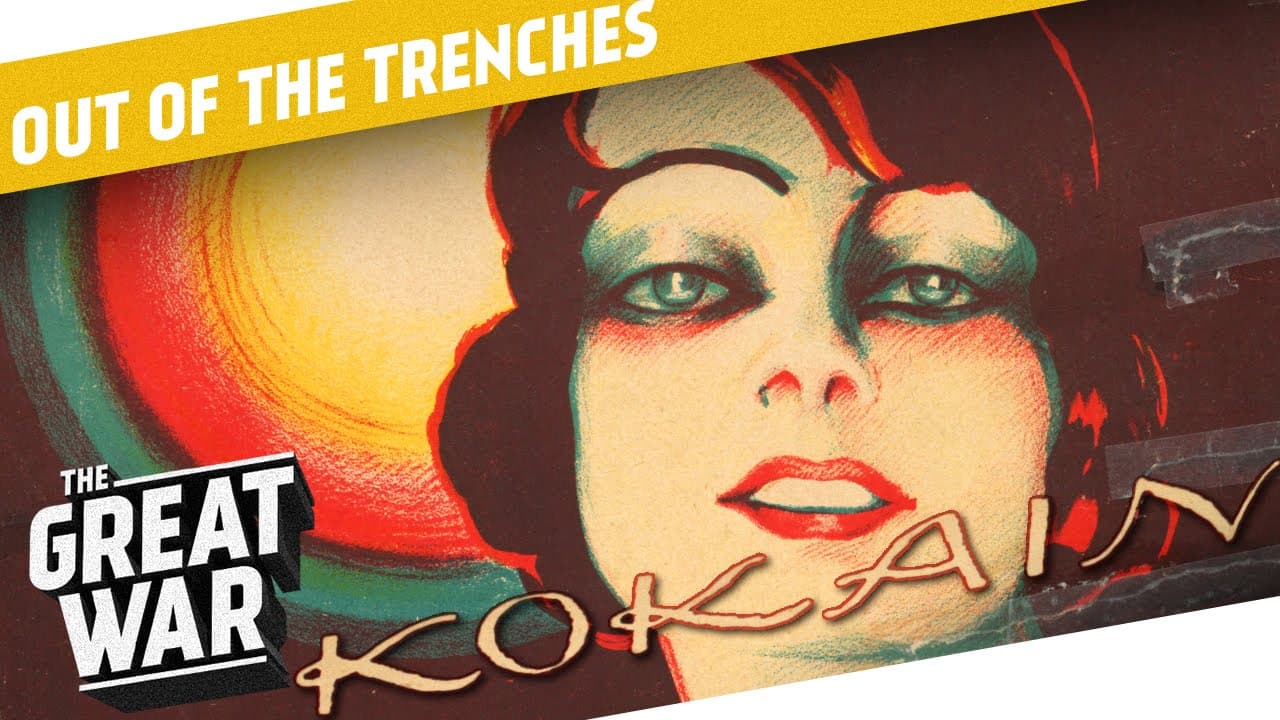
TL;DR
Cocaine was used in WWI, and a zombie attack story circulates.
Transcript
hi I'm Indie nidel and this is another exciting episode of out of the trenches where I sit here in the chair of wisdom and answer your questions about the first world war vashan cou writes dear Indie I was wondering if you could address the use of cocaine during the war as I understand it the drug was quite popular before the war in London's upper ... Read More
Key Insights
- Cocaine was popular in pre-war London across social classes, leading to its eventual prohibition in 1920.
- Cocaine was used by British soldiers, often in forced march tablets, and as an anesthetic, particularly for dental purposes.
- A Canadian major in 1916 reported significant cocaine addiction among his troops, leading to a sting operation against suppliers.
- The British government cracked down on cocaine sales, fining pharmacies for selling without proper documentation.
- The Dutch Royal Cocaine Factory was a notable entity during the war, though information in English is limited.
- The 'Attack of the Dead' is a legendary WWI event involving Russian soldiers allegedly causing panic among German troops.
- The zombie-like appearance of gas-affected soldiers could explain the legend of the 'Attack of the Dead.'
- German archives from WWII are mostly lost, making verification of some historical events difficult.
Install to Summarize YouTube Videos and Get Transcripts
Explore YouTube Video Summarizer or Get YouTube Transcript Extractor
Questions & Answers
Q: Was cocaine use widespread among British soldiers during WWI?
Cocaine was indeed used among British soldiers during WWI, primarily as an anesthetic and in forced march tablets. Its popularity before the war in London across various social classes led to its continued use among soldiers, eventually prompting the British government to make the drug illegal in 1920.
Q: What actions did the British government take against cocaine use during WWI?
The British government took significant steps to curb cocaine use during WWI. They conducted sting operations against suppliers, leading to arrests and fines. Pharmacies were penalized for selling cocaine without proper documentation, and these actions effectively ended over-the-counter sales of cocaine.
Q: What is the 'Attack of the Dead' in WWI history?
The 'Attack of the Dead' refers to an alleged event during WWI where Russian soldiers, appearing zombie-like after a gas attack, reportedly caused a German retreat. The story, published in 1939, suggests that the gas-affected soldiers' appearance might have induced panic among the German troops, though the tale remains largely unverified.
Q: How did cocaine use impact Canadian troops during WWI?
Cocaine use was a concern among Canadian troops during WWI, with a Canadian major reporting around 40 addicts under his command. This prompted investigations into suppliers, highlighting the drug's prevalence and the challenges military leaders faced in maintaining discipline and readiness among their forces.
Q: What role did the Dutch Royal Cocaine Factory play during WWI?
The Dutch Royal Cocaine Factory was a notable supplier of cocaine during WWI, though detailed information in English is scarce. It highlights the industrial scale of cocaine production and its availability during the war, contributing to its widespread use among soldiers and civilians alike.
Q: Why is it difficult to verify the 'Attack of the Dead' story?
Verifying the 'Attack of the Dead' story is challenging due to the loss of German archives during WWII. This lack of documentation makes it difficult for historians to confirm the details of the event, leaving it as an intriguing yet largely anecdotal piece of military history.
Q: How did cocaine's popularity in pre-war London influence its use during WWI?
Cocaine's popularity in pre-war London, spanning both upper and lower classes, set a precedent for its use during WWI. Soldiers familiar with the drug continued its use, leading to addiction issues and eventually prompting legal restrictions post-war to curb its widespread availability and impact.
Q: What legal challenges did the British government face in curbing cocaine use?
The British government faced legal challenges in curbing cocaine use due to the vague nature of existing laws. Despite successful sting operations and fines, the legal framework at the time made prosecutions difficult, necessitating new legislation to effectively address and reduce cocaine distribution and use post-war.
Summary & Key Takeaways
-
Cocaine was widely used during WWI, both recreationally and as an anesthetic, leading to legal restrictions post-war. A Canadian major reported addiction issues among troops, prompting a crackdown on suppliers. The Dutch Royal Cocaine Factory played a role, though details are scarce.
-
The 'Attack of the Dead' is a WWI anecdote about Russian troops allegedly scaring off German forces due to their zombie-like appearance after a gas attack. While the story is extraordinary, the loss of German archives makes it difficult to confirm.
-
Indy Neidell answers questions about cocaine use and a zombie attack story in WWI. Cocaine was popular among soldiers and civilians, leading to legal issues. The 'Attack of the Dead' story remains a fascinating yet unverified piece of military history.
Read in Other Languages (beta)
Share This Summary 📚
Summarize YouTube Videos and Get Video Transcripts with 1-Click
Try YouTube Summary with ChatGPT & Claude or YouTube Transcript Generator
Explore More Summaries from The Great War 📚



Summarize YouTube Videos and Get Video Transcripts with 1-Click
Try YouTube Summary with ChatGPT & Claude or YouTube Transcript Generator