Why Trump Sued Over Iowa Poll Results
TL;DR
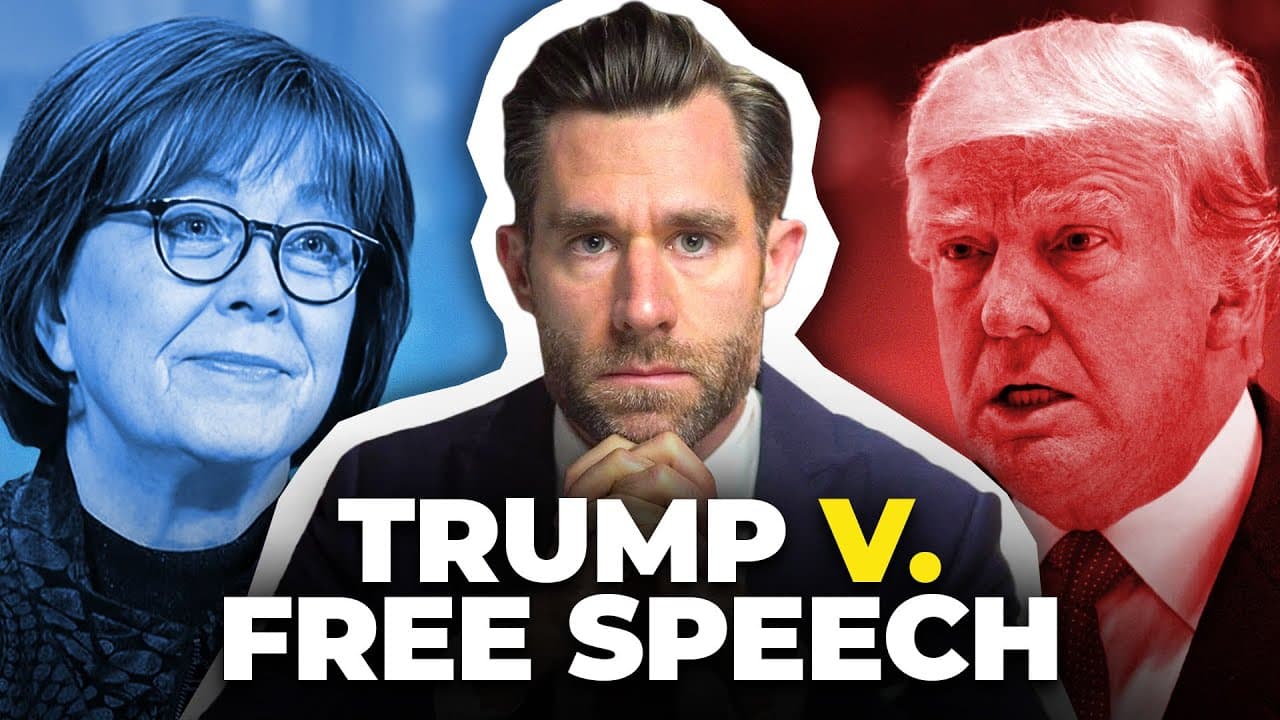
Donald Trump filed a lawsuit against pollster Ann Selzer and the Des Moines Register, alleging their poll showing him trailing in Iowa was fraudulent. The lawsuit claims election interference, but lacks evidence and is criticized as a SLAPP suit aimed at stifling unfavorable speech. Legal experts argue the case is unlikely to succeed due to First Amendment protections.
Transcript
noted Free Speech Enthusiast Donald Trump has sued pollster and Selzer because he didn't like her poll you really can't make this stuff up everyone including and especially the lawyer who filed this dog's breakfast of a case should be ashamed of themselves now you might remember it's November 2nd 2024 and according to a new poll from an Selzer and ... Read More
Key Insights
- Trump sued Ann Selzer and the Des Moines Register over a poll predicting his loss in Iowa.
- The lawsuit alleges election interference but lacks substantial evidence.
- Trump's lawsuit is considered a SLAPP suit, aiming to suppress unfavorable speech.
- First Amendment protections make it unlikely for the lawsuit to succeed.
- Pollster Ann Selzer has a history of both accurate and inaccurate predictions.
- The lawsuit is criticized for misapplying consumer protection laws.
- Legal experts highlight the lack of standing and merit in Trump's claims.
- The case raises concerns about attempts to intimidate media and pollsters.
Install to Summarize YouTube Videos and Get Transcripts
Explore YouTube Video Summarizer or Get YouTube Transcript Extractor
Questions & Answers
Q: Why did Trump sue Ann Selzer and the Des Moines Register?
Trump sued Ann Selzer and the Des Moines Register over a poll that predicted he would lose Iowa to Kamala Harris. He alleges the poll was fraudulent and constituted election interference. However, the lawsuit is widely criticized for lacking evidence and is considered a SLAPP suit designed to suppress unfavorable speech rather than a legitimate legal claim.
Q: What are the legal challenges facing Trump's lawsuit?
Trump's lawsuit faces significant legal challenges due to First Amendment protections for free speech, especially in the context of political speech. The case is criticized for misapplying consumer protection laws, as it attempts to classify the poll as a deceptive commercial practice. Legal experts argue the lawsuit lacks standing and merit, making it unlikely to succeed in court.
Q: How did Ann Selzer's poll impact the 2024 election narrative?
Ann Selzer's poll, which showed Kamala Harris leading Trump in Iowa, caused a stir in the political world. It was seen as an outlier and contradicted other polls showing Trump ahead. The poll's release led to speculation about its accuracy and potential impact on voter behavior. Ultimately, Trump won Iowa by a large margin, outperforming the poll's predictions.
Q: What is a SLAPP suit and how does it relate to this case?
A SLAPP suit (Strategic Lawsuit Against Public Participation) is a legal action intended to censor, intimidate, or silence critics by burdening them with legal defense costs. Trump's lawsuit against Ann Selzer and the Des Moines Register is considered a SLAPP suit because it aims to suppress unfavorable speech rather than address a genuine legal grievance. The case is criticized for lacking evidence and legal merit.
Q: What role does the First Amendment play in this lawsuit?
The First Amendment, which protects freedom of speech, plays a crucial role in this lawsuit. Trump's legal action against Ann Selzer and the Des Moines Register is unlikely to succeed because the poll is considered protected political speech. Courts have historically upheld strong protections for speech related to public interest and political matters, making it difficult for such lawsuits to prevail.
Q: How have legal experts reacted to Trump's lawsuit?
Legal experts have reacted critically to Trump's lawsuit, arguing that it lacks evidence and misapplies consumer protection laws. They view it as a SLAPP suit intended to intimidate media and pollsters, rather than a serious legal claim. The consensus is that the lawsuit is unlikely to succeed due to First Amendment protections and the absence of a legitimate legal basis for the claims.
Q: What are the implications of this lawsuit for media and polling organizations?
The lawsuit against Ann Selzer and the Des Moines Register has worrying implications for media and polling organizations. It is seen as an attempt to intimidate and deter them from publishing unfavorable content about Trump. If successful, such lawsuits could create a chilling effect on free speech, discouraging media outlets from conducting and reporting on polls that may be perceived as critical of political figures.
Q: What is the significance of consumer protection laws in this case?
Consumer protection laws are central to Trump's lawsuit, as he attempts to classify the poll as a deceptive practice under these statutes. However, legal experts argue that these laws are misapplied, as the poll does not constitute a commercial transaction or consumer merchandise. The case highlights the challenges of using consumer protection laws to address grievances related to political speech and media coverage.
Summary & Key Takeaways
-
Donald Trump filed a lawsuit against pollster Ann Selzer and the Des Moines Register, alleging their poll showing him trailing in Iowa constituted election interference. The lawsuit, criticized as a SLAPP suit, lacks evidence and is unlikely to succeed due to First Amendment protections. Legal experts argue the case misapplies consumer protection laws and highlights attempts to intimidate media and pollsters.
-
Ann Selzer's poll predicted Kamala Harris leading Trump in Iowa, causing controversy when Trump won by a significant margin. Trump's lawsuit claims the poll was fraudulent and aimed to influence the election outcome. However, the case is seen as legally weak, given the protections for political speech and the lack of evidence supporting the allegations.
-
The lawsuit against Selzer and the Des Moines Register is part of a broader pattern of Trump's legal actions against unfavorable media coverage. Critics argue the case is intended to deter negative reporting and polling, rather than seeking genuine legal redress. The legal community views the lawsuit as a misuse of consumer protection statutes and a threat to free speech.
Read in Other Languages (beta)
Share This Summary 📚
Summarize YouTube Videos and Get Video Transcripts with 1-Click
Try YouTube Summary with ChatGPT & Claude or YouTube Transcript Generator
Explore More Summaries from LegalEagle 📚




Summarize YouTube Videos and Get Video Transcripts with 1-Click
Try YouTube Summary with ChatGPT & Claude or YouTube Transcript Generator