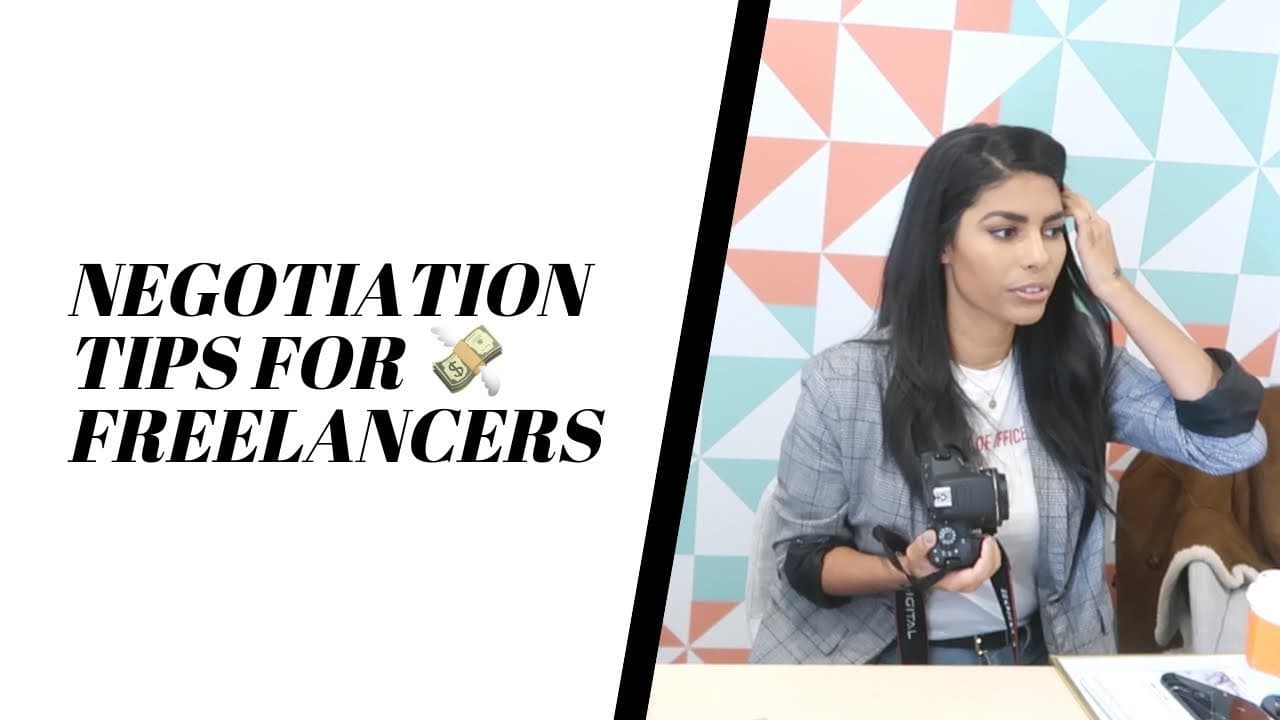
Tips for Negotiating Freelance Contracts
TL;DR
Learn effective freelance contract negotiation strategies and when to walk away.
Transcript
hey everyone what's up welcome back to the feelin's Friday podcast if you're watching on youtube welcome back to my youtube channel don't forget that for these podcasts and for any video really I know that I talked pretty slow in them so you can always speed them up I'll show you how on the screen right here and you can actually do that on the podc... Read More
Key Insights
- Prepare for negotiation by understanding that not all clients will accept your initial offer, and be ready to discuss pricing.
- Know your rates and have a pricing sheet to avoid appearing unprepared during negotiations.
- Always ask for the client's budget upfront to avoid mismatched expectations and wasted time.
- Be firm yet friendly during negotiations, especially as a woman, to ensure respect and professionalism.
- Avoid passive language in business communication to convey confidence and assertiveness.
- Trust your intuition to determine if a client is a good fit, especially if they seem focused on low pricing.
- Understand that lower-paying clients often expect more work, which can lead to resentment.
- Avoid taking negotiations personally; focus on business logic rather than emotional reactions.
Install to Summarize YouTube Videos and Get Transcripts
Explore YouTube Video Summarizer or Get YouTube Transcript Extractor
Questions & Answers
Q: How can freelancers prepare for negotiation?
Freelancers can prepare for negotiation by knowing their rates and having a pricing sheet ready. They should also be prepared for clients to negotiate and have a clear understanding of their minimum acceptable rates. Asking for the client's budget upfront can help avoid mismatched expectations and wasted time.
Q: Why is it important to know your rates?
Knowing your rates is crucial because it prevents you from appearing unprepared or uncertain during negotiations. It helps you maintain professionalism and avoid underpricing your services. Having a pricing sheet or chart can provide a clear reference point, ensuring you don't agree to rates that don't align with your business goals.
Q: What should you do if a client doesn't know their budget?
If a client doesn't know their budget, it's important to educate them about industry standards and provide a range of pricing for your services. This helps set realistic expectations and ensures both parties are aligned. Encourage open communication to determine a mutually beneficial agreement.
Q: How can women be more assertive in negotiations?
Women can be more assertive in negotiations by avoiding passive language and being clear and direct about their rates and terms. It's important to be friendly but firm, standing up for your value and not caving to pressure. Confidence in communication can help ensure respect and professionalism.
Q: Why should passive language be avoided in business communication?
Passive language should be avoided because it can undermine your authority and confidence. Using direct and assertive language helps convey professionalism and clarity, making it easier to communicate your value and terms effectively. This approach can lead to more successful negotiations and stronger business relationships.
Q: How can intuition help in identifying good clients?
Intuition can help identify good clients by allowing you to sense when a connection feels right. If a client seems overly focused on low pricing or doesn't respect your value, it may indicate they're not the best fit. Trusting your instincts can guide you toward clients who appreciate your work and align with your business values.
Q: What are the risks of working with low-paying clients?
Working with low-paying clients often involves more work and higher expectations, which can lead to resentment and burnout. These clients may not fully appreciate your value, leading to a strained relationship. It's important to assess whether the financial compensation justifies the effort and time required.
Q: How can freelancers avoid taking negotiations personally?
Freelancers can avoid taking negotiations personally by focusing on the business aspect rather than emotional reactions. Understand that clients are looking for the best deal, and their requests aren't personal attacks. Maintaining professionalism and sticking to your rates and terms can help keep emotions in check.
Summary & Key Takeaways
-
The podcast discusses strategies for negotiating freelance contracts, emphasizing the importance of preparedness and knowing your rates. It advises asking for client budgets upfront to avoid mismatches.
-
The speaker highlights the significance of being firm and friendly, especially for women, to ensure respect during negotiations. Avoiding passive language can help convey confidence.
-
Trusting intuition is crucial in identifying clients focused on low pricing. Lower-paying clients often expect more work, leading to potential resentment. Avoid taking negotiations personally.
Read in Other Languages (beta)
Share This Summary 📚
Summarize YouTube Videos and Get Video Transcripts with 1-Click
Try YouTube Summary with ChatGPT & Claude or YouTube Transcript Generator
Explore More Summaries from Latasha James 📚



Summarize YouTube Videos and Get Video Transcripts with 1-Click
Try YouTube Summary with ChatGPT & Claude or YouTube Transcript Generator