How Did the Allies Break the Hindenburg Line?
TL;DR
The Allies successfully broke through the Hindenburg Line, a major German defense on the Western Front, marking a significant step toward the end of World War I. Despite initial resistance and logistical challenges, the Allies' coordinated efforts and sheer numbers led to the German retreat and the eventual overrunning of their defenses.
Transcript
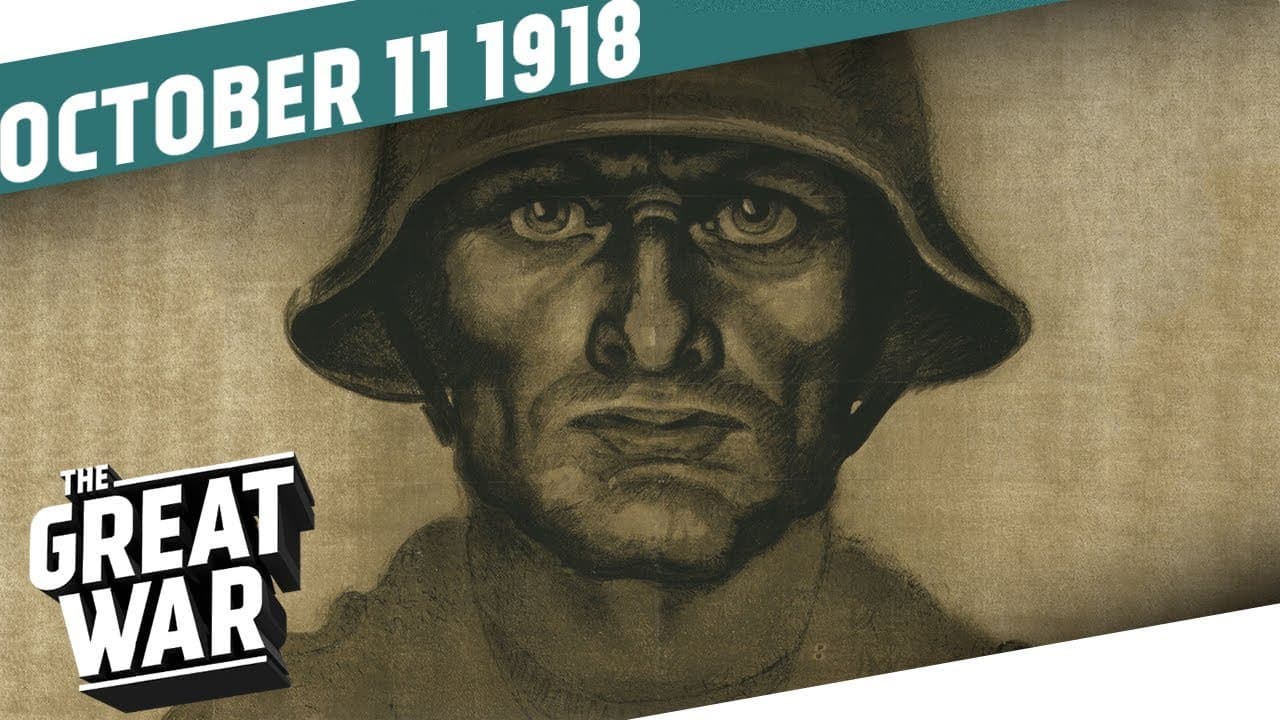
Two of the Central Powers fronts have collapsed, one Central Power has left the war, and the German Chancellor has asked the Allies for an armistice. This week, that request is rejected, even as the Allies overrun the Hindenburg Line of Defense. I’m Indy Neidell; welcome to the Great War. Last week Bulgaria accepted Allied terms for peace and left ... Read More
Key Insights
- The Hindenburg Line was a crucial part of German defenses on the Western Front.
- Allied forces broke through the Hindenburg Line during the Battle of St. Quentin Canal.
- German Chancellor Prince Maximilian von Baden's request for an armistice was rejected.
- Allied forces were advancing on multiple fronts, including the Macedonian and Palestine Fronts.
- American forces faced logistical issues, including a shortage of horses, impacting their operations.
- Corporal Alvin York became a hero for his actions against a German machine gun position.
- The 'Lost Battalion' was a group of American soldiers who were surrounded but eventually returned to American lines.
- The German army began a systematic retreat along the Western Front due to Allied advances.
Install to Summarize YouTube Videos and Get Transcripts
Explore YouTube Video Summarizer or Get YouTube Transcript Extractor
Questions & Answers
Q: How did the Allies break the Hindenburg Line?
The Allies broke the Hindenburg Line through a coordinated offensive during the Battle of St. Quentin Canal. Utilizing superior numbers, artillery, and strategic planning, they were able to overwhelm the German defenses. Despite logistical challenges, such as a shortage of horses, the Allies' persistent attacks and the Germans' inability to replace their losses led to a breakthrough.
Q: What was the significance of the Hindenburg Line?
The Hindenburg Line was a critical German defensive position on the Western Front during World War I. Its breach by the Allies marked a turning point in the war, signaling the weakening of German defenses and contributing to the eventual retreat of German forces. This breakthrough accelerated the momentum towards the end of the conflict.
Q: Why was the German armistice request rejected?
The German armistice request, proposed by Chancellor Prince Maximilian von Baden, was rejected because it did not meet the Allies' conditions for peace. The Allies, particularly Woodrow Wilson, demanded the withdrawal of German forces from all occupied territories as a prerequisite for any armistice. The rejection prolonged the fighting as the Allies sought a more decisive victory.
Q: What challenges did American forces face during this period?
American forces faced significant logistical challenges, including a severe shortage of horses, which impacted their mobility and supply lines. General John Pershing's request for additional horses from Allied Supreme Commander Ferdinand Foch was denied due to shipping constraints. Despite these issues, American forces continued to push forward, contributing to the overall Allied efforts.
Q: Who was Corporal Alvin York and what did he do?
Corporal Alvin York was an American soldier who became a national hero for his actions during an assault on a German machine gun position. Despite being a former conscientious objector, York displayed exceptional marksmanship and bravery, killing or capturing numerous enemy soldiers. His actions led to the capture of 132 prisoners and 35 machine guns, earning him international recognition.
Q: What happened to the 'Lost Battalion'?
The 'Lost Battalion' was a group of over 500 American soldiers who were surrounded by German forces and subjected to intense artillery fire. Despite being cut off from supplies and communication, they held their position until the Germans withdrew. Only 194 of the original 554 men survived, but their resilience became a symbol of American determination and courage.
Q: How did the Allies achieve success on multiple fronts?
The Allies achieved success on multiple fronts through coordinated offensives and strategic planning. On the Western Front, they broke through the Hindenburg Line, while on the Macedonian and Palestine Fronts, they continued to advance against weakened Central Powers forces. The Allies' numerical superiority, combined with effective use of artillery and tanks, contributed to their successes.
Q: What was the state of the German army by the end of the week?
By the end of the week, the German army was in retreat along the Western Front, moving to new defensive positions. Despite fighting hard, they faced overwhelming Allied advances and logistical challenges. The German High Command was contemplating concessions for an armistice, but with the Allies' rejection of their proposal, the fighting continued with no immediate resolution in sight.
Summary & Key Takeaways
-
The Allies broke through the Hindenburg Line, a key German defense, during the Battle of St. Quentin Canal. This event marked significant progress for the Allies on the Western Front. Despite logistical issues and strong German resistance, the Allies' superior numbers and strategic coordination led to the German retreat and the eventual overrunning of their defenses.
-
The German Chancellor's request for an armistice was rejected by the Allies, prolonging the conflict. Meanwhile, Allied forces continued to make advances on the Macedonian and Palestine Fronts, further weakening the Central Powers' position. American forces faced challenges, including a shortage of horses, but continued their efforts with notable acts of heroism.
-
Corporal Alvin York's heroic actions against a German machine gun position and the survival of the 'Lost Battalion' were significant events during this period. As the German army began a systematic retreat, the Allies' combined forces continued to press forward, setting the stage for the eventual end of World War I.
Read in Other Languages (beta)
Share This Summary 📚
Summarize YouTube Videos and Get Video Transcripts with 1-Click
Try YouTube Summary with ChatGPT & Claude or YouTube Transcript Generator
Explore More Summaries from The Great War 📚
Summarize YouTube Videos and Get Video Transcripts with 1-Click
Try YouTube Summary with ChatGPT & Claude or YouTube Transcript Generator