Can Elon Musk Legally Cancel Twitter Deal?
TL;DR
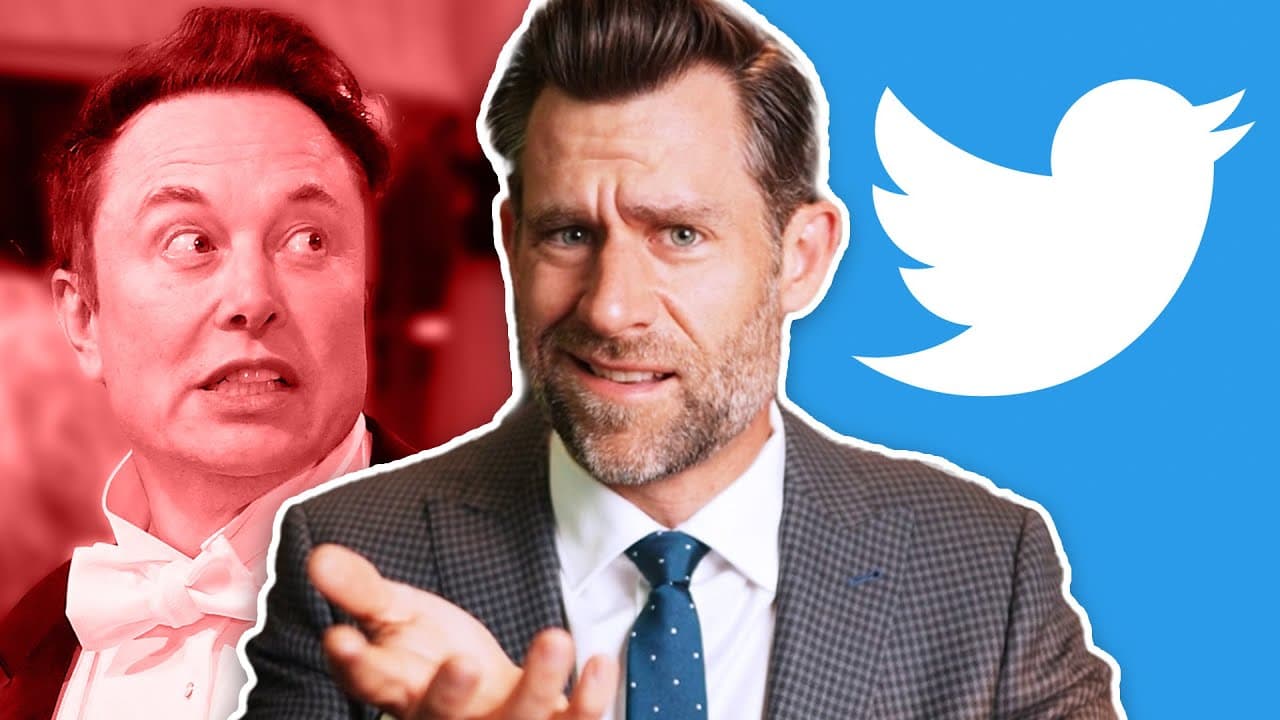
Elon Musk seeks to back out of his Twitter purchase, claiming Twitter breached their agreement by not providing sufficient bot data. Twitter plans to sue Musk to enforce the original $44 billion deal. The legal outcome depends on whether Musk's claims meet the high threshold for a material adverse effect under Delaware law.
Transcript
- If Elon Musk is in the news it's usually for one of three reasons: he's announcing a Tesla product that will never materialize, he's revealing the existence of another child, or he's pretending to buy a company and then backing out. Well, Tesla doesn't have any new products, he's up to 10 kids that we know of, so Elon Musk now wants to back out o... Read More
Key Insights
- Elon Musk attempted to terminate his Twitter acquisition citing breach of agreement.
- Musk claims Twitter misrepresented the number of bots on its platform.
- Twitter insists it has provided all required information to Musk.
- Delaware law sets a high bar for proving a material adverse effect.
- Specific performance could force Musk to complete the $44 billion purchase.
- Delaware Chancery Courts are known for their speed in resolving such disputes.
- Twitter's lawsuit claims Musk disparaged the company and misused information.
- A negotiated settlement could result in a lower price or a higher termination fee.
Install to Summarize YouTube Videos and Get Transcripts
Explore YouTube Video Summarizer or Get YouTube Transcript Extractor
Questions & Answers
Q: Can Elon Musk legally cancel the Twitter deal?
Elon Musk is attempting to cancel the Twitter deal by claiming that Twitter breached their agreement by not providing sufficient data on spam accounts. However, the legal right to cancel hinges on whether Musk can prove a material adverse effect, which is a high bar under Delaware law. Twitter disputes Musk's claims and plans to sue to enforce the deal.
Q: What is a material adverse effect in mergers and acquisitions?
A material adverse effect is a legal standard used in mergers and acquisitions to determine if changes in a target company's business justify terminating a deal. It requires showing significant long-term negative impacts on the company's financial performance. Delaware law sets a high bar for proving such an effect, typically requiring evidence of substantial and lasting declines.
Q: What are the potential outcomes of the Twitter lawsuit against Musk?
The potential outcomes of the Twitter lawsuit against Musk include Twitter successfully enforcing the original deal through specific performance, requiring Musk to complete the $44 billion purchase. Alternatively, the court could rule in Musk's favor if he proves a material adverse effect. A settlement might also occur, potentially altering the deal's terms or increasing the termination fee.
Q: Why is Delaware the jurisdiction for the Twitter-Musk legal battle?
Delaware is the jurisdiction for the Twitter-Musk legal battle because many corporations, including Twitter, are incorporated there due to its business-friendly laws and specialized courts. The Delaware Chancery Courts are renowned for their expertise and speed in handling complex corporate disputes, making them the preferred venue for resolving high-stakes mergers and acquisitions cases.
Q: What specific performance means in legal terms?
Specific performance is a legal remedy in contract disputes where a court orders a party to fulfill their contractual obligations rather than simply paying damages. It is often used in cases where monetary compensation is inadequate, such as in unique transactions like real estate or mergers and acquisitions. In the Twitter-Musk case, specific performance could compel Musk to complete the purchase.
Q: How does Twitter's bot data factor into the legal case?
Twitter's bot data is central to the legal case because Musk claims that Twitter misrepresented the number of bots on its platform, which he argues constitutes a breach of their agreement. Twitter asserts it provided all necessary information and that its estimates are accurate. The court will assess whether the alleged bot misrepresentation meets the criteria for a material adverse effect.
Q: What are the implications of the $1 billion termination fee?
The $1 billion termination fee in the Twitter-Musk deal functions as liquidated damages, setting a predetermined amount for breach of contract. Musk might prefer to pay this fee to exit the deal, but Twitter's lawsuit seeks specific performance to enforce the $44 billion purchase. The fee's implications depend on whether the court allows Musk to terminate the agreement or enforces completion.
Q: What role does the Delaware Chancery Court play in this case?
The Delaware Chancery Court plays a crucial role in the Twitter-Musk case as it is the venue for resolving the legal dispute. Known for its expertise in corporate law, the court will determine whether Musk's claims justify terminating the deal. The court's decision could enforce specific performance, requiring Musk to complete the purchase, or allow for a settlement or termination.
Summary & Key Takeaways
-
Elon Musk is attempting to back out of his $44 billion Twitter acquisition, claiming Twitter breached their agreement by not providing adequate data on bots. Twitter plans to sue Musk to enforce the original deal. The legal battle hinges on whether Musk's claims constitute a material adverse effect under Delaware law.
-
Musk's legal team argues that Twitter failed to meet its contractual obligations by not furnishing necessary information about spam accounts. Twitter, however, maintains it has complied with the agreement and provided all relevant data. The courts will decide if Musk's claims meet the stringent criteria for a material adverse effect.
-
The Delaware Chancery Courts, known for their efficiency, will handle the case. Twitter seeks specific performance, which could compel Musk to complete the purchase. Alternatively, a settlement may be reached, potentially altering the deal's terms or resulting in a higher termination fee for Musk.
Read in Other Languages (beta)
Share This Summary 📚
Summarize YouTube Videos and Get Video Transcripts with 1-Click
Try YouTube Summary with ChatGPT & Claude or YouTube Transcript Generator
Explore More Summaries from LegalEagle 📚




Summarize YouTube Videos and Get Video Transcripts with 1-Click
Try YouTube Summary with ChatGPT & Claude or YouTube Transcript Generator