From Caporetto to Cambrai I THE GREAT WAR Summary Part 12
TL;DR
Late 1917 saw significant military and political shifts in WWI.
Transcript
Some of you regular viewers might like to see a brief refresher on what’s recently gone on, and some newer viewers may want to catch up more quickly, so we’ve made a series of recaps to help out, and this is one of them. I’m Indy Neidell; welcome to a Great War Recap Special covering November and December 1917, and January 1918. As November began, ... Read More
Key Insights
- The Battle of Caporetto was a disaster for Italy, leading to a massive retreat and a change in military leadership with Armando Diaz replacing Luigi Cadorna.
- The British saw success in Palestine, capturing key cities like Beersheba, Gaza, and eventually Jerusalem, marking a significant advance in the region.
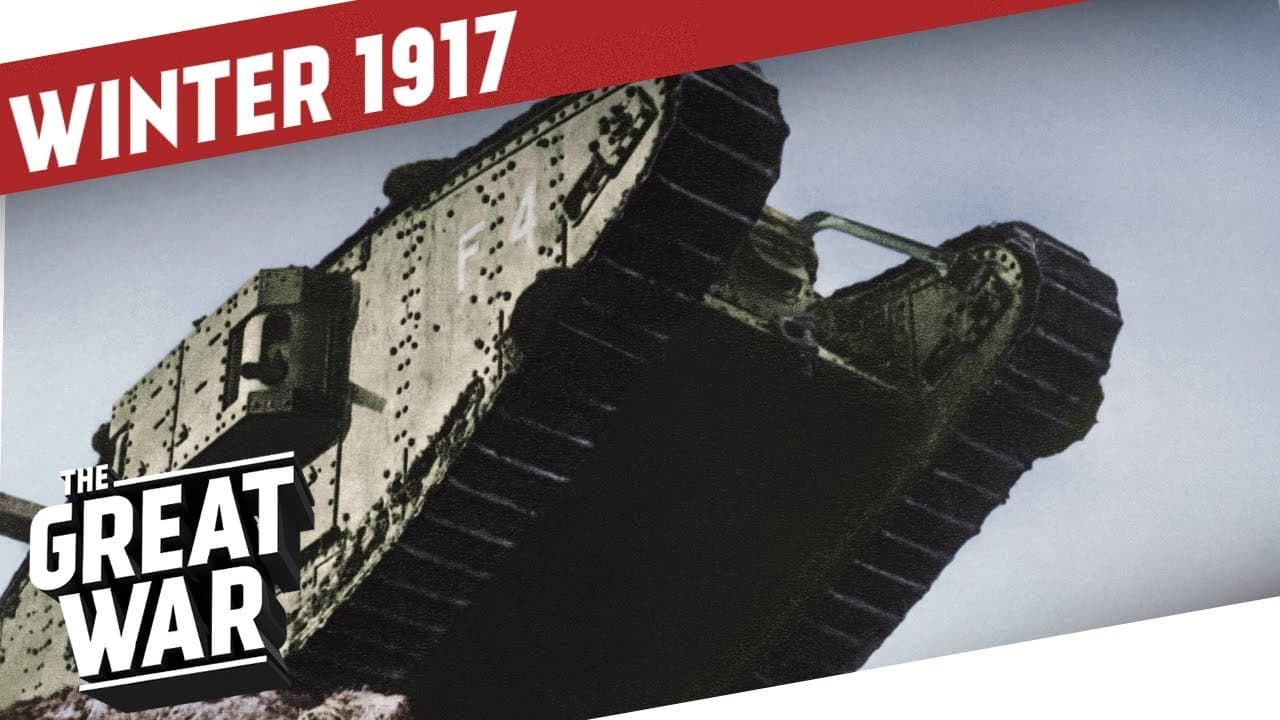
- The Battle of Cambrai introduced large-scale tank warfare with over 400 tanks, though initial British gains were largely reversed by a German counterattack.
- The Bolshevik Revolution in Russia led to the withdrawal of Russian forces from WWI, significantly impacting the Eastern Front and causing concern among the Allies.
- Georges Clemenceau's appointment as French Prime Minister marked a political shift in France, while Estonia declared independence from Russia amid widespread political upheaval.
- Italy’s new defensive line successfully held against Austrian attacks in December, preventing the fall of Venice and stabilizing the front for the winter.
- The Halifax Explosion in December 1917 was the largest man-made explosion at the time, highlighting the global scale and impact of the war.
- Germany planned a major spring offensive on the Western Front in 1918, aiming for a decisive victory as the war entered a new phase.
Install to Summarize YouTube Videos and Get Transcripts
Explore YouTube Video Summarizer or Get YouTube Transcript Extractor
Questions & Answers
Q: What was the outcome of the Battle of Caporetto for Italy?
The Battle of Caporetto was a significant defeat for Italy, resulting in a massive retreat and the loss of nearly 200,000 soldiers as prisoners. This led to the replacement of the Italian Chief of Staff, Luigi Cadorna, with Armando Diaz, who focused on reorganizing the Italian army over the winter.
Q: How did the British fare in the Battle of Cambrai?
The British initially achieved success in the Battle of Cambrai, utilizing over 400 tanks in a large-scale assault that marked a new phase in tank warfare. However, a German counterattack towards the end of November reversed many of the British gains, highlighting the ongoing challenges of trench warfare.
Q: What impact did the Bolshevik Revolution have on World War I?
The Bolshevik Revolution led to Russia's withdrawal from World War I, which significantly altered the dynamics on the Eastern Front. This allowed Germany to redirect troops to the Western Front and posed challenges for the Allies, who lost a major eastern ally in the conflict.
Q: What was the significance of the Halifax Explosion in December 1917?
The Halifax Explosion in December 1917 was the largest man-made explosion at the time, resulting from a munitions ship blowing up in the harbor. It caused widespread devastation and highlighted the far-reaching impacts of the war, even in areas distant from the main battlefronts.
Q: What were the political changes in France during this period?
During this period, Georges Clemenceau became the new Prime Minister of France, marking a significant political shift. His leadership focused on strengthening France's resolve in the war and coordinating efforts with the Allies to face the ongoing challenges posed by the Central Powers.
Q: How did the Italian Front stabilize in December 1917?
In December 1917, the Italian Front stabilized as the Austrians failed to break through the new Italian defensive lines established after the retreat from Caporetto. The Italian forces successfully repelled attempts to capture Venice, maintaining their positions through the winter and preventing further territorial losses.
Q: What were Germany's plans for the spring of 1918?
Germany planned a massive spring offensive on the Western Front in 1918, known as Operation Michael. This offensive aimed to achieve a decisive victory by concentrating forces and utilizing new tactics, as Germany sought to capitalize on the closure of the Eastern Front and the shifting dynamics of the war.
Q: What role did the Allied Supreme War Council play during this time?
The Allied Supreme War Council was formed to enhance coordination among the Allied forces, addressing the challenges of managing a multi-front war. It aimed to streamline decision-making and improve strategic planning, particularly in light of the changing military and political landscape following Russia's withdrawal from the war.
Summary & Key Takeaways
-
The period from November 1917 to January 1918 was marked by significant military and political changes. Italy faced a major setback at Caporetto, while the British made advances in Palestine and engaged in the Battle of Cambrai, which introduced large-scale tank warfare.
-
Russia's Bolshevik Revolution led to its withdrawal from WWI, altering the dynamics on the Eastern Front. Political changes occurred in France and Italy, while several regions declared independence from Russia amidst the chaos.
-
Despite military setbacks, the Allies formed a Supreme War Council to better coordinate efforts. Germany, benefiting from the Eastern Front's closure, prepared a massive spring offensive, signaling continued conflict as 1918 began.
Read in Other Languages (beta)
Share This Summary 📚
Summarize YouTube Videos and Get Video Transcripts with 1-Click
Try YouTube Summary with ChatGPT & Claude or YouTube Transcript Generator
Explore More Summaries from The Great War 📚
Summarize YouTube Videos and Get Video Transcripts with 1-Click
Try YouTube Summary with ChatGPT & Claude or YouTube Transcript Generator