Amphibious Landing Craft - Widow Compensation - Repatriation I OUT OF THE TRENCHES
TL;DR
The video discusses WWI amphibious landings, widow compensation, and repatriation of American war dead.
Transcript
i'm indy neidell and this is out of the trenches where i sit here my chair of wisdom and answer your questions about the first world war and today i have a guest for a brief period of time we have a new intern here at the studio in Berlin and I'm sort of forcing him to come in and say hi say hi hi guys I tell him who you are and where you're from I... Read More
Key Insights
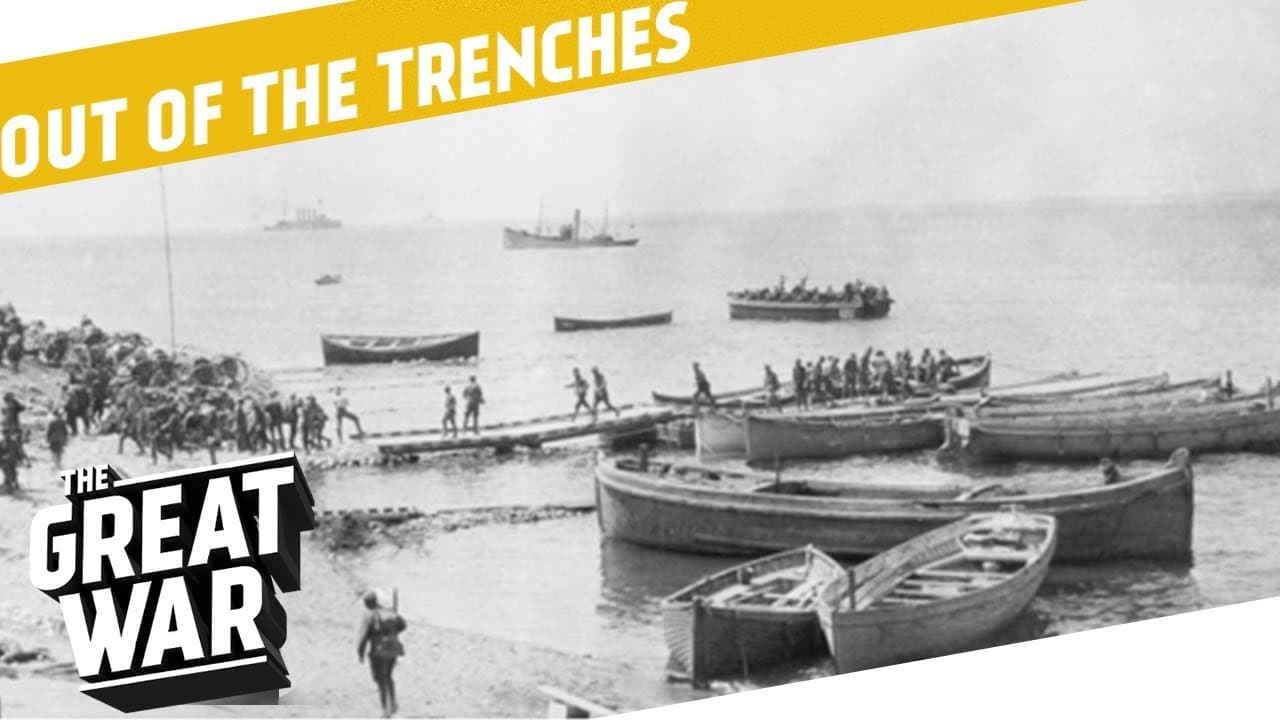
- Amphibious operations in WWI included landings at Gallipoli and Albion, using specially designed boats called lighters.
- The X lighters, designed for the Gallipoli campaign, were flat-bottomed ships capable of transporting troops and equipment.
- Widows of WWI soldiers often received pensions, though the amount varied by country and was sometimes insufficient.
- In France, half of the war widows remarried by 1921, losing their financial compensation from the state.
- The repatriation of American war dead post-WWI was a complex issue, with families divided on whether to bring bodies home or leave them overseas.
- Woodrow Wilson's bill allowed families to choose between burial in American military cemeteries abroad or repatriation to the U.S.
- Repatriation was fraught with logistical challenges, including cases of misidentified bodies and incorrect caskets.
- The video encourages viewers to engage with historical content and support the channel through sharing and financial contributions.
Install to Summarize YouTube Videos and Get Transcripts
Explore YouTube Video Summarizer or Get YouTube Transcript Extractor
Questions & Answers
Q: What were the specially designed boats used in WWI amphibious landings?
The specially designed boats used in World War I amphibious landings were called lighters. These included larger motorized X lighters and smaller Y lighters. The X lighters were flat-bottomed ships used for transporting troops, horses, and field guns, while Y lighters were designed to transport infantry to shore.
Q: How did the compensation for war widows vary across countries during WWI?
Compensation for war widows varied significantly across countries during World War I. In Germany, widows received pensions based on their husband's military rank, while in France, compensation was affected by remarriage. Many widows faced economic and social disadvantages, with pensions often insufficient to support their families.
Q: What challenges were faced in the repatriation of American war dead after WWI?
The repatriation of American war dead after World War I faced numerous challenges, including logistical and financial difficulties, as well as issues with body identification. Some caskets contained the wrong bodies or only body parts. Families were divided on whether to bring bodies home or leave them overseas, leading to a complex and sensitive process.
Q: What was Woodrow Wilson's role in the repatriation of American soldiers' bodies?
Woodrow Wilson played a significant role in the repatriation of American soldiers' bodies after World War I by introducing a bill that allowed families to choose between burial in American military cemeteries overseas or repatriation to the United States. This decision aimed to accommodate the differing wishes of families while addressing logistical challenges.
Q: How did the British Admiralty respond to the need for amphibious landing vessels during WWI?
The British Admiralty responded to the need for amphibious landing vessels during World War I by quickly designing and constructing lighters. These vessels, including the X lighters, were designed in just four days to meet the urgent demand for transporting troops and equipment during operations like the Gallipoli campaign.
Q: What impact did remarriage have on war widows' compensation in France?
In France, remarriage had a significant impact on war widows' compensation, as those who remarried were no longer entitled to financial support from the state. By 1921, half of the war widows had remarried, highlighting the economic and social pressures they faced in the aftermath of World War I.
Q: What was the significance of the Gallipoli campaign in the context of amphibious warfare?
The Gallipoli campaign was significant in the context of amphibious warfare as it involved multiple landings using specially designed vessels called lighters. These operations demonstrated the evolution of amphibious tactics and the challenges faced in coordinating large-scale landings, contributing to the development of future amphibious warfare strategies.
Q: How did the video encourage viewer engagement and support for the channel?
The video encouraged viewer engagement and support for the channel by inviting viewers to ask historical questions, share the content with others, and support the channel financially through platforms like Patreon. It also highlighted the availability of additional resources and merchandise, fostering a community of history enthusiasts.
Summary & Key Takeaways
-
The video explores the topic of amphibious landings during World War I, highlighting the use of specially designed boats called lighters for operations at Gallipoli and Albion. These landings marked an evolution in amphibious warfare, with the British Admiralty quickly designing and deploying these vessels.
-
Compensation for widows of soldiers killed or maimed during WWI varied significantly across countries. In Germany, pensions were based on military rank, while in France, half of the widows remarried by 1921, affecting their financial compensation. The economic and social challenges faced by widows are emphasized.
-
The repatriation of American soldiers' bodies after WWI was a contentious issue, with families divided on whether to bring them home or leave them overseas. Woodrow Wilson's bill allowed families to choose the burial location, but the process was complicated by logistical and identification challenges.
Read in Other Languages (beta)
Share This Summary 📚
Summarize YouTube Videos and Get Video Transcripts with 1-Click
Try YouTube Summary with ChatGPT & Claude or YouTube Transcript Generator
Explore More Summaries from The Great War 📚



Summarize YouTube Videos and Get Video Transcripts with 1-Click
Try YouTube Summary with ChatGPT & Claude or YouTube Transcript Generator