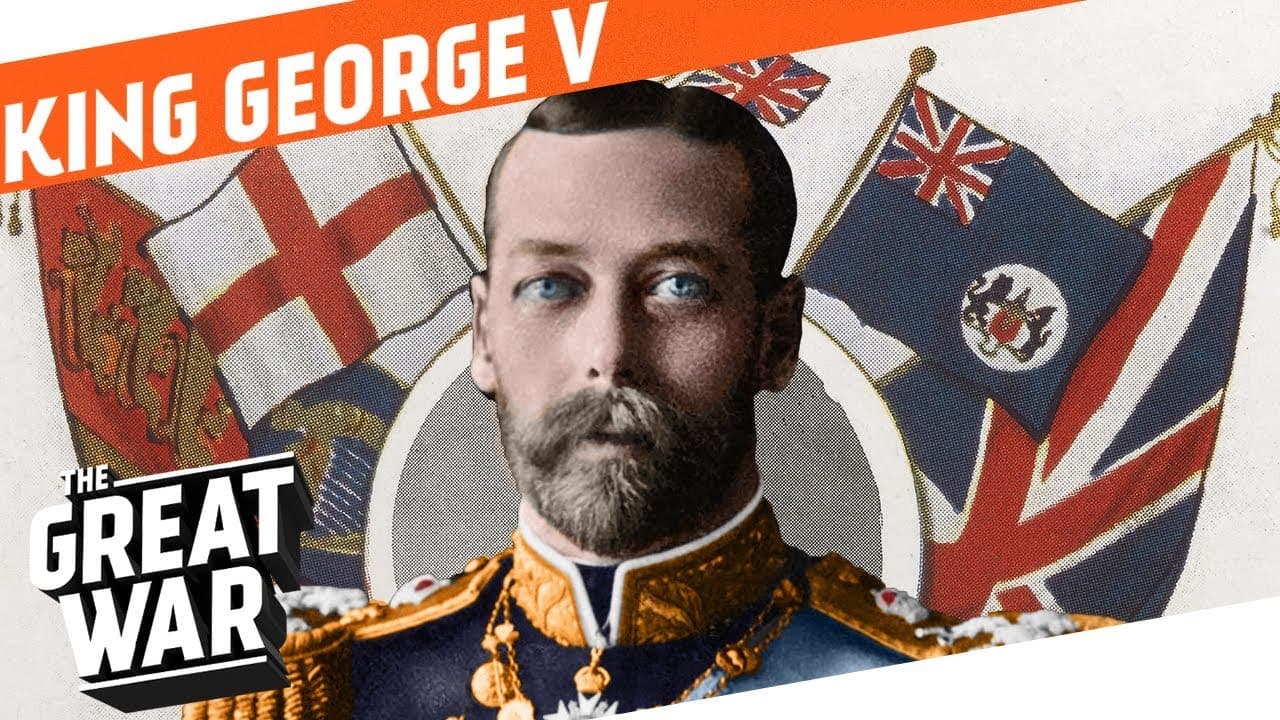
King George V in World War 1 I WHO DID WHAT IN WW1?
TL;DR
King George V was a reserved monarch who played a key role during WW1.
Transcript
His personality was reserved and unassuming, and yet he was monarch over the largest empire the world has ever seen. When the war came he saw his duty as the face of determination for his people. King George V. I’m Indy Neidell; welcome to a Great War Bio special episode about George V, King of the United Kingdom and the British Dominions, and Empe... Read More
Key Insights
- King George V became the monarch during a pivotal time, overseeing the British Empire's involvement in World War I, emphasizing duty and determination.
- Despite his reserved personality, George V was active in supporting his troops, making over 450 visits to the front lines and hospitals during the war.
- George V’s reign marked a shift in the British monarchy’s image, moving from the extravagance of his father to a more relatable, simple lifestyle.
- He was committed to maintaining Britain's moral high ground, condemning certain wartime tactics and ensuring the monarchy's separation from German relations.
- His decision to change the royal family name from Saxe-Coburg-Gotha to Windsor was a strategic move to distance the monarchy from German affiliations.
- George V's egalitarian views were evident in his interest in Indian affairs and his efforts to protect subjects of German descent during the war.
- His role during the war was largely symbolic, acting as a mediator and advisor to his ministers, though his opinions were not always heeded.
- The post-war period was challenging for George V, with ongoing political and social changes, yet his monarchy survived unlike many others in Europe.
Install to Summarize YouTube Videos and Get Transcripts
Explore YouTube Video Summarizer or Get YouTube Transcript Extractor
Questions & Answers
Q: What was King George V's approach to his role during World War I?
King George V approached his role during World War I with a strong sense of duty and determination. He was committed to supporting his troops, making numerous visits to the front lines and hospitals. Despite his reserved nature, he served as a symbol of stability and resilience for the British people. His efforts were largely symbolic, focusing on maintaining morale and providing a steady presence during the tumultuous war years.
Q: How did King George V's personal background influence his reign?
King George V's personal background, including his naval career and unexpected ascension to the throne after his brother's death, shaped his reign. His reserved personality and simple lifestyle contrasted with his father's extravagance, making him more relatable to his subjects. His experiences in the navy instilled a sense of duty and discipline, which he carried into his role as monarch, emphasizing duty over grandeur during his reign.
Q: In what ways did King George V try to distance the British monarchy from German affiliations?
King George V made several efforts to distance the British monarchy from German affiliations during World War I. One significant action was changing the royal family name from Saxe-Coburg-Gotha to Windsor, reflecting a more British identity. He also Anglicized the names of his relatives, such as Louis of Battenberg to Louis Mountbatten. These actions were part of a broader strategy to align the monarchy with British national interests and reduce public suspicion of German ties.
Q: What were some of King George V's views on warfare tactics during World War I?
King George V held strong views on maintaining moral integrity in warfare. He condemned certain tactics, such as zeppelin raids and submarine warfare, as simple murder and was appalled by the idea of naval officers engaging in such actions. He believed Britain should retain the moral high ground and was opposed to deceptive practices, like flying neutral flags to avoid attacks, preferring to uphold British honor even at the risk of loss.
Q: How did King George V's reign impact the British Empire's view on Indian affairs?
King George V's reign saw a notable impact on the British Empire's view on Indian affairs. He was troubled by the casual racism he observed in India and took an active interest in addressing Indian issues. As King, he allowed the Royal Pavilion at Brighton to be converted into a hospital for wounded Indian troops and held a Durbar in India to engage with his subjects. His egalitarian attitude marked a shift towards more inclusive policies, reflecting a broader concern for the welfare of all subjects within the Empire.
Q: What challenges did King George V face during the post-war period?
During the post-war period, King George V faced numerous challenges, including political and social upheaval. The aftermath of World War I brought about significant changes, such as the formation of the Commonwealth and the reduction of the Civil Lists, which led to a financial crisis for the royal family. Additionally, he was distressed by the violence in Ireland and the ongoing societal shifts. Despite these difficulties, his monarchy survived, unlike many others in Europe, due to his relatable and steadfast approach.
Q: What was King George V's relationship with his ministers during World War I?
King George V's relationship with his ministers during World War I was characterized by his role as a constitutional monarch, acting as a mediator and advisor. He regularly expressed his opinions to Prime Ministers like Asquith, who valued his advice, particularly regarding military leadership changes. However, his recommendations were not always followed, as seen with Lloyd George, who often ignored his counsel. Despite limited direct involvement in decision-making, George V's presence provided a stabilizing influence during the war.
Q: How did King George V's health affect his duties during World War I?
King George V's health was significantly impacted by his duties during World War I. The extensive travel to visit troops and hospitals took a toll on him physically. In 1915, he suffered a broken pelvis after being thrown from a horse during an inspection in France. By 1918, the strain of his responsibilities was evident, affecting his overall well-being. Despite these challenges, he remained committed to his role, continuing to fulfill his duties as a symbol of determination and resilience for the nation.
Summary & Key Takeaways
-
King George V, known for his reserved and unassuming nature, became monarch during a crucial period, overseeing the British Empire's involvement in World War I. His reign marked a shift towards a more relatable monarchy, focusing on duty and determination, while navigating the complexities of wartime leadership and post-war challenges.
-
Despite not being in direct line for the throne initially, George V ascended after the death of his brother, Eddy. His naval career ended abruptly, and he assumed the role of heir, marrying Princess Mary of Teck. Throughout his reign, he maintained a simple lifestyle, contrasting his father's extravagance.
-
During World War I, George V played a symbolic role, making numerous visits to troops and hospitals, advocating for moral integrity in warfare, and distancing the monarchy from German relations. His post-war years were marked by political and social upheaval, yet his monarchy endured, leaving a legacy of duty and determination.
Read in Other Languages (beta)
Share This Summary 📚
Summarize YouTube Videos and Get Video Transcripts with 1-Click
Try YouTube Summary with ChatGPT & Claude or YouTube Transcript Generator
Explore More Summaries from The Great War 📚


Summarize YouTube Videos and Get Video Transcripts with 1-Click
Try YouTube Summary with ChatGPT & Claude or YouTube Transcript Generator