The Hollow Alliance of the United States and Europe
TL;DR
US-Europe alliance weakens as China gains influence.
Transcript
you and I are weaned as was Tom Hanks and his wonderful new movie on uh uh uh Gary Powers and the Cold War and all that we are weaned on a relationship coming out of 1947 coming out of 1952 and 55 it's always been there you say that Alliance that transatlantic Alliance is at risk why is it that's right I mean I think that we've never seen the relat... Read More
Key Insights
- The US-Europe alliance, a key pillar of global stability, is weaker than ever since WWII, with both parties pursuing separate interests.
- China's growing economic influence is evident as it becomes the primary financial supporter for infrastructure projects, overshadowing the US and Europe.
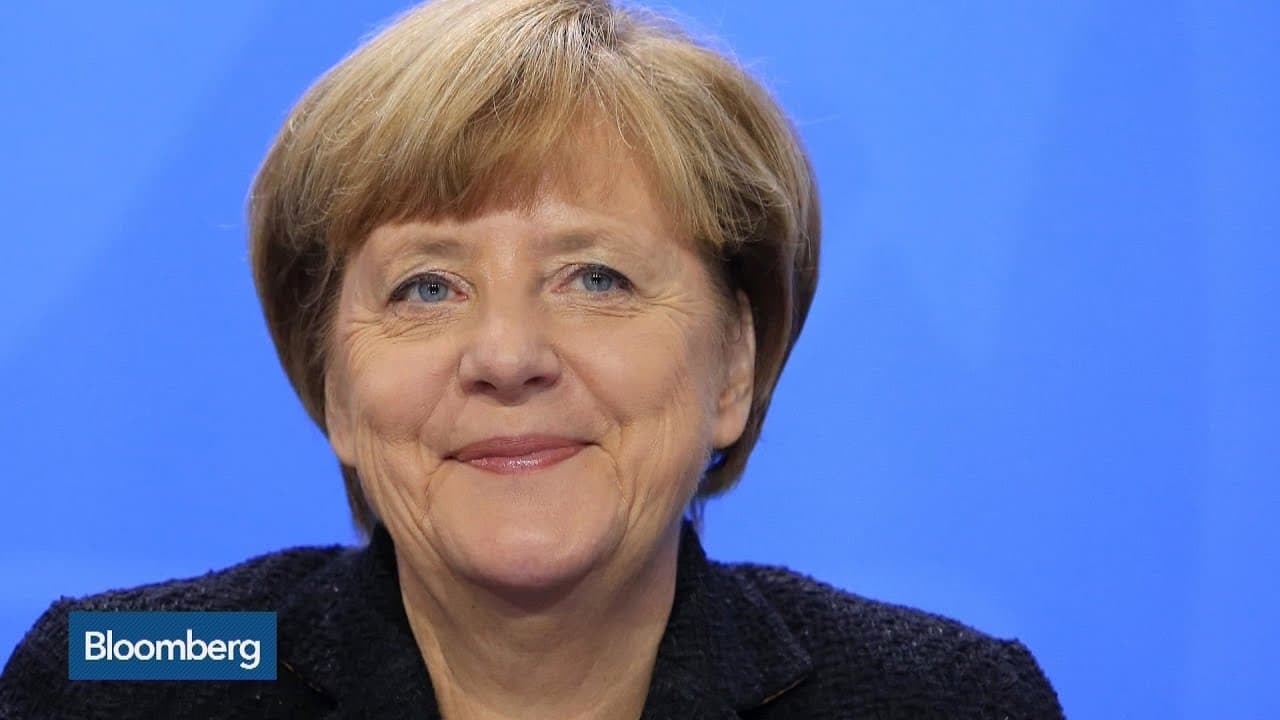
- Brexit's likelihood is increasing due to internal political dynamics in Britain and the weakened influence of Germany's Angela Merkel.
- Merkel's domestic challenges and Europe's refugee crisis are straining her leadership, affecting her ability to support anti-Brexit efforts.
- The rise of populism in Europe, exemplified by the National Front in France, is polarizing politics and challenging traditional parties.
- Economic necessity is driving European countries to seek closer ties with China, as they face internal economic challenges.
- The US's unilateral approach to global interests is diverging from Europe's individual strategies, weakening their historic alliance.
- Middle Eastern geopolitics, especially the Saudi-Iran conflict, is exacerbating Europe's refugee crisis, further destabilizing the region.
Install to Summarize YouTube Videos and Get Transcripts
Explore YouTube Video Summarizer or Get YouTube Transcript Extractor
Questions & Answers
Q: What is the current state of the US-Europe alliance?
The US-Europe alliance, historically critical for global stability, is currently at its weakest since the end of World War II. Both parties are pursuing separate paths, with the US adopting a more unilateral approach to its global interests, while European countries are individually aligning with other global powers like China.
Q: How is China's influence affecting Europe?
China's influence is growing in Europe due to its significant financial contributions to infrastructure projects. European countries, facing internal economic challenges, are increasingly turning to China for support. This shift is diminishing the traditional economic roles of the US and Europe, as China becomes a primary financial partner.
Q: What factors are increasing the likelihood of Brexit?
Brexit's likelihood is rising due to political dynamics within Britain, where the Labour Party's diminished relevance is empowering Euroskeptic voices within the Conservative Party. Additionally, Germany's Angela Merkel, a crucial ally against Brexit, is weakened by domestic issues and the refugee crisis, reducing her ability to support anti-Brexit efforts.
Q: How is Angela Merkel's leadership being challenged?
Angela Merkel's leadership is challenged by domestic problems and the refugee crisis, which strain her ability to maintain a strong European front. Her unpopular stance on accepting refugees and the internal tensions within Europe are undermining her influence, affecting her capacity to support initiatives like anti-Brexit efforts.
Q: What impact is populism having on European politics?
Populism is significantly impacting European politics by polarizing traditional parties and challenging established political structures. The rise of parties like the National Front in France exemplifies this trend, as they gain significant voter support and influence political discourse, even if they don't achieve electoral victories.
Q: Why are European countries seeking closer ties with China?
European countries are seeking closer ties with China due to economic necessity. Facing internal economic challenges and a lack of sufficient financial support from traditional allies like the US, European nations are turning to China, which is willing to invest in their infrastructure and economic development.
Q: How is the US's approach to global interests diverging from Europe's?
The US is increasingly adopting a unilateral approach to its global interests, focusing on its own strategic goals. In contrast, European countries are pursuing individual strategies, often aligning with other global powers like China. This divergence is weakening the historic US-Europe alliance and reducing their collective influence.
Q: How is the Middle Eastern geopolitical situation affecting Europe?
The geopolitical situation in the Middle East, particularly the Saudi-Iran conflict, is exacerbating Europe's refugee crisis. This influx of refugees is straining European resources and political structures, complicating efforts to maintain stability and unity within the region, and challenging leaders like Angela Merkel.
Summary & Key Takeaways
-
The relationship between the United States and Europe, crucial for global economic stability, is at its weakest since WWII, with both entities pursuing separate interests. This divergence is influenced by China's growing economic role and internal challenges within Europe.
-
China's economic influence is expanding, as European countries increasingly rely on Chinese financial support for infrastructure, overshadowing traditional US and European roles. This shift is driven by economic necessity and internal challenges within Europe.
-
Political dynamics in Europe, including Brexit and the rise of populism, are straining traditional alliances. Angela Merkel's weakened position due to domestic issues and the refugee crisis further complicates efforts to maintain a united European front.
Read in Other Languages (beta)
Share This Summary 📚
Summarize YouTube Videos and Get Video Transcripts with 1-Click
Try YouTube Summary with ChatGPT & Claude or YouTube Transcript Generator
Explore More Summaries from Bloomberg Originals 📚

Summarize YouTube Videos and Get Video Transcripts with 1-Click
Try YouTube Summary with ChatGPT & Claude or YouTube Transcript Generator