The Truth About Ownership | The Businessweek Show
TL;DR
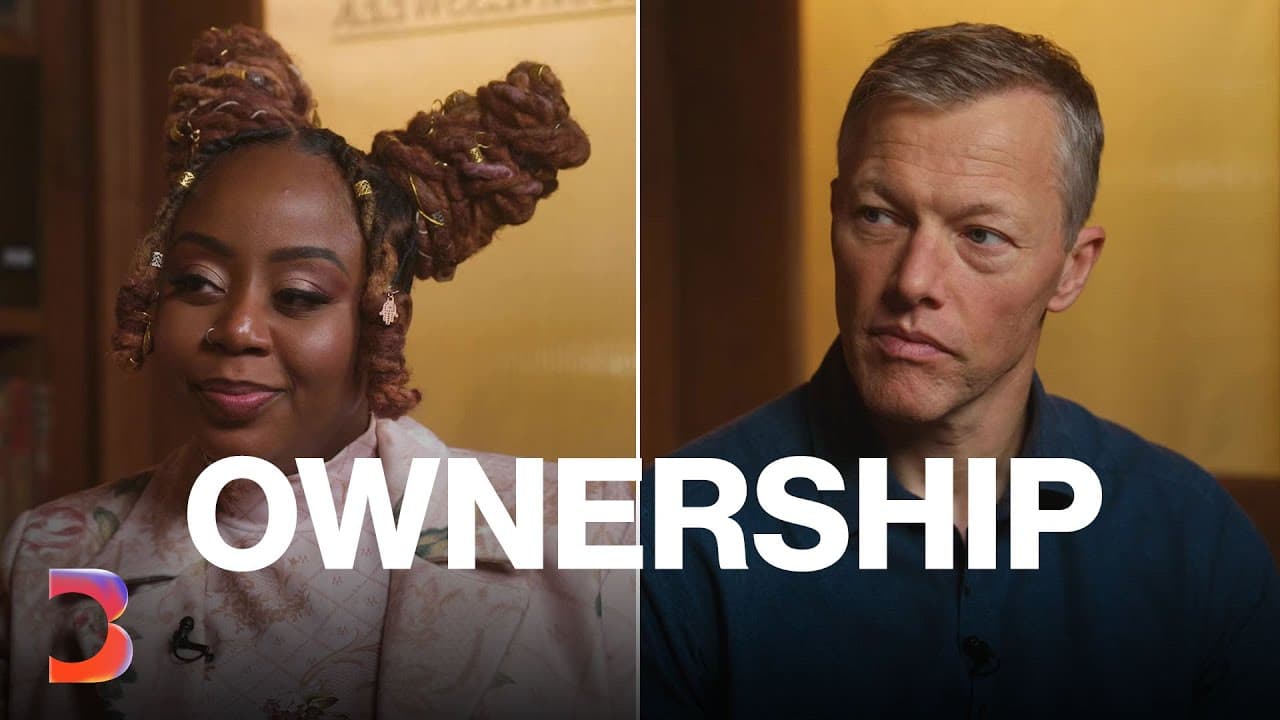
Ownership and poverty are intricately linked, affecting both businesses and individuals.
Transcript
There is very little in this world that is more prized than ownership. Owners have power. They have say, they have rights, and they tend to use the things they already own to end up with even more. Nobody wants to be owned. If a young person looks at you and points and says, owned, you know something just like absolutely awful has happened. I read ... Read More
Key Insights
- Ownership is a powerful concept, granting rights and influence, but it can also lead to inequality, as those with ownership tend to accumulate more wealth and power.
- Pinky Cole's journey from losing a restaurant to building a successful vegan brand highlights the role of failure and resilience in achieving business success.
- Pinky Cole emphasizes that her restaurant chain, Slutty Vegan, is more about providing an experience than just food, focusing on energy, service, and cleanliness.
- The emotional impact of sharing ownership is significant, as Pinky Cole describes the difficulty of giving up equity in her business to investors.
- Matthew Desmond argues that poverty in America is perpetuated by those who benefit from the current system, pointing to government policies that favor wealthier citizens.
- Desmond highlights the role of government aid in both supporting and exploiting the poor, with tax breaks often benefiting the wealthy more than direct aid to the poor.
- The persistence of poverty is partly due to long-standing stereotypes about the poor lacking ambition, a narrative that has been used to justify economic exploitation.
- Desmond suggests that ending poverty requires a shift in societal values and policies, with a focus on equitable distribution of resources and opportunities.
Install to Summarize YouTube Videos and Get Transcripts
Explore YouTube Video Summarizer or Get YouTube Transcript Extractor
Questions & Answers
Q: What is the significance of ownership in the business world?
Ownership in the business world is significant because it grants individuals power, rights, and influence. Owners can leverage their assets to generate more wealth and control, which can lead to greater opportunities and advantages. However, this concentration of power can also contribute to economic inequality, as those without ownership may struggle to access similar resources and opportunities.
Q: How did Pinky Cole build her successful brand, Slutty Vegan?
Pinky Cole built her successful brand, Slutty Vegan, through resilience and innovation. After losing her previous restaurant, she focused on creating a unique dining experience that emphasized vibrant energy, excellent customer service, and cleanliness. By offering a plant-based menu with creative marketing and a strong brand identity, Cole was able to expand her business into a multimillion-dollar lifestyle brand with multiple locations.
Q: What challenges did Pinky Cole face when sharing ownership of her business?
Pinky Cole faced emotional challenges when sharing ownership of her business, as it required her to give up some control and equity to investors. This was difficult for her because she had built the brand from the ground up and felt a strong personal connection to it. However, she recognized that partnering with investors was necessary to achieve her long-term goals and expand the business further.
Q: What is Matthew Desmond's perspective on poverty in America?
Matthew Desmond views poverty in America as a systemic issue perpetuated by those who benefit from the current economic structure. He argues that government policies often favor the wealthy, providing them with more benefits than the poor. Desmond believes that poverty persists because of societal attitudes and stereotypes that blame the poor for their circumstances, rather than addressing the systemic factors that contribute to economic inequality.
Q: How do government policies contribute to poverty, according to Matthew Desmond?
According to Matthew Desmond, government policies contribute to poverty by disproportionately benefiting the wealthy through tax breaks and other financial incentives, while providing insufficient support to the poor. He points out that social insurance programs and tax breaks often cost the government more than direct aid to low-income families, perpetuating economic disparities and limiting opportunities for upward mobility.
Q: Why do stereotypes about the poor persist, and how do they impact poverty?
Stereotypes about the poor persist because they have been historically used to justify economic exploitation and maintain the status quo. These stereotypes, such as the belief that the poor lack ambition, serve to blame individuals for their circumstances rather than addressing systemic issues. This narrative allows those in power to avoid making meaningful changes that could reduce poverty and promote economic equity.
Q: What changes does Matthew Desmond propose to address poverty in America?
Matthew Desmond proposes changes that involve a shift in societal values and government policies to address poverty in America. He advocates for more equitable distribution of resources, increased support for low-income families, and the elimination of exploitative financial practices. Desmond emphasizes the need for collective action and a reevaluation of priorities to create a more just and inclusive society.
Q: How does the conversation on ownership and poverty relate to broader societal issues?
The conversation on ownership and poverty relates to broader societal issues by highlighting the interconnectedness of economic power, inequality, and social justice. Ownership can lead to significant disparities in wealth and opportunity, affecting individuals and communities. Addressing these issues requires a comprehensive approach that considers the impact of policies, societal attitudes, and systemic structures on economic equity and social well-being.
Summary & Key Takeaways
-
The discussion explores the concept of ownership and its implications in business and society, featuring insights from Pinky Cole and Matthew Desmond. Cole shares her journey from failure to success, emphasizing the importance of resilience and community in business ownership.
-
Matthew Desmond discusses his book, 'Poverty by America,' arguing that poverty persists because it benefits those in power. He highlights the role of government policies and societal attitudes in perpetuating economic inequality.
-
The conversation addresses the emotional and practical challenges of sharing business ownership, as well as the systemic issues that contribute to poverty in America. Both guests emphasize the need for a shift in values and policies to create a more equitable society.
Read in Other Languages (beta)
Share This Summary 📚
Summarize YouTube Videos and Get Video Transcripts with 1-Click
Try YouTube Summary with ChatGPT & Claude or YouTube Transcript Generator
Explore More Summaries from Bloomberg Originals 📚




Summarize YouTube Videos and Get Video Transcripts with 1-Click
Try YouTube Summary with ChatGPT & Claude or YouTube Transcript Generator