What Led to Political Unrest in Russia in 1917?
TL;DR
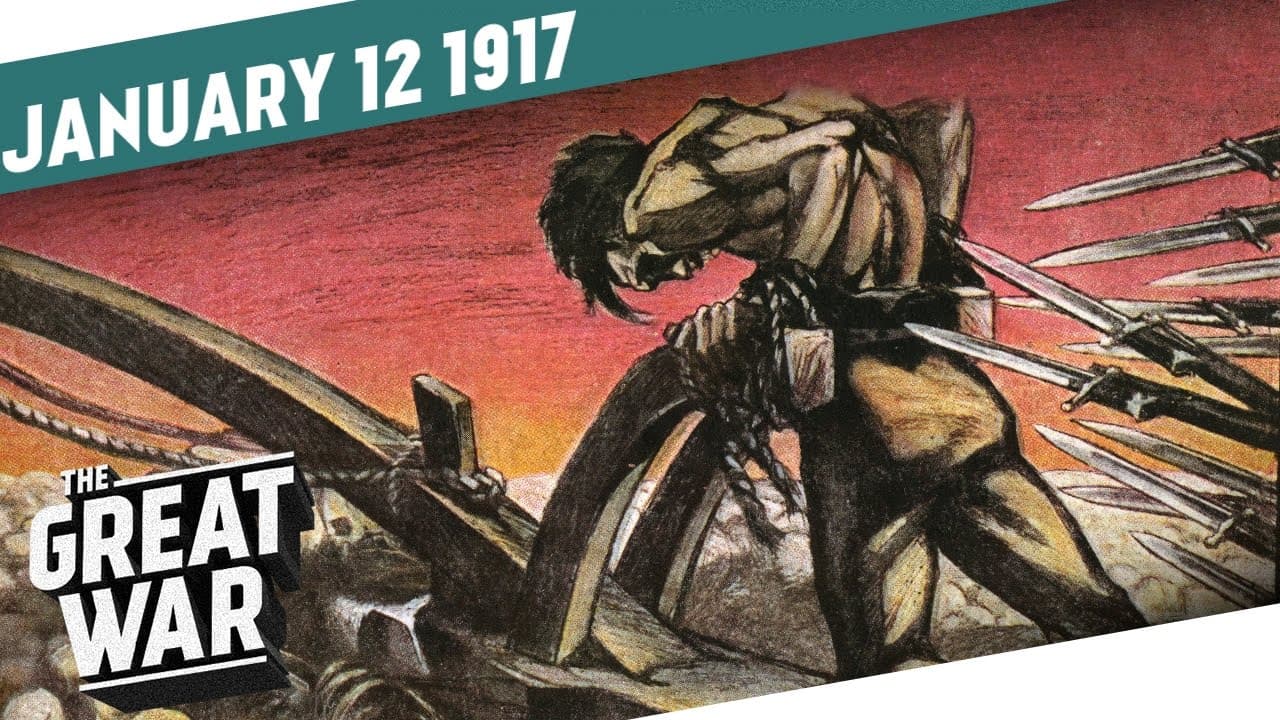
The political instability in Russia, marked by frequent changes in leadership and internal disorganization, was exacerbated by the ongoing war and economic hardships. Germany's decision to resume unrestricted submarine warfare aimed to force Britain into peace negotiations, while Romania's campaign ended, leaving Russia with the burden of defense. The situation was dire, with both sides entrenched in their positions.
Transcript
Food shortages, strikes, assassinations, covert attempts to end the war, covert attempts to expand the war, the situation in Russia by now was dangerously unstable. It wouldn’t get any better this week, though as there was yet another political shakeup in Petrograd. I’m Indy Neidell; welcome to the Great War. Last week, the New Year rolled in, and ... Read More
Key Insights
- Russia's political situation was unstable due to frequent leadership changes, known as 'ministerial leapfrog'.
- Germany decided to resume unrestricted submarine warfare, believing it would force Britain to sue for peace.
- Romania's campaign ended, leaving Russia with the responsibility of defending unoccupied Romanian territories.
- The Central Powers gained significant resources from Romania, crucial for their war effort during the harsh winter.
- Morale was low on the Western Front, with German troops showing signs of despair.
- The Russian Tsarina's increasing control over internal affairs led to further disorganization.
- The assassination of Rasputin did not resolve Russia's internal issues, as his influence was replaced by Protopopov.
- The Allies issued an ultimatum to Greece to lift the blockade, reflecting ongoing diplomatic tensions.
Install to Summarize YouTube Videos and Get Transcripts
Explore YouTube Video Summarizer or Get YouTube Transcript Extractor
Questions & Answers
Q: How did Germany justify resuming unrestricted submarine warfare?
Germany justified resuming unrestricted submarine warfare by believing it would force Britain to sue for peace within six months. Admiral Henning von Holtzendorff assured Kaiser Wilhelm that this strategy would be effective, despite concerns it might provoke the United States to enter the war. The decision was made during a crown council on January 9th, 1917.
Q: What was the impact of the Romanian campaign on World War I?
The Romanian campaign ended with significant losses for Romania, leaving Russia to defend the unoccupied territories. The Central Powers gained over 2 million tons of Romanian grain and other resources, crucial for their war effort during the harsh winter. The campaign's outcome forced Russia to divert troops, halting their offensive on the Eastern Front.
Q: Why was the political situation in Russia unstable in early 1917?
Russia's political instability in early 1917 was due to frequent leadership changes, known as 'ministerial leapfrog', and the Tsarina's increasing control over internal affairs. The assassination of Rasputin did not resolve these issues, as his influence was replaced by Protopopov, causing further unrest and disorganization within the government.
Q: What were the conditions of the Allies' ultimatum to Greece?
The Allies issued an ultimatum to Greece demanding acceptance of conditions for lifting the blockade. This ultimatum, sent on January 9th, 1917, was part of ongoing diplomatic tensions as the Allies sought to secure Greek cooperation and prevent further escalation in the region. The conditions were seen as humiliating by the Greeks, reflecting the complex geopolitical struggles of the time.
Q: How did the Central Powers benefit from the Romanian campaign?
The Central Powers benefited significantly from the Romanian campaign by acquiring over 2 million tons of grain, 250,000 head of livestock, and Romania's oil output. These resources were crucial during the harsh 'turnip winter', when food shortages were severe. The campaign's outcome bolstered the Central Powers' war effort and sustained their military operations.
Q: What was the significance of Rasputin's assassination in Russia?
Rasputin's assassination in Russia was significant as it symbolized the hope for change and the end of his manipulative influence over the Tsar and Tsarina. However, his death did not resolve Russia's internal issues. Protopopov quickly filled the power vacuum, maintaining control through spiritualistic séances, which continued to destabilize the Russian government.
Q: What role did Protopopov play in Russia's government?
Protopopov played a controversial role in Russia's government by maintaining influence over the Tsar through spiritualistic séances, effectively replacing Rasputin's manipulative presence. His actions contributed to the political instability and disorganization, as he resisted calls for his resignation and remained a divisive figure amidst the ongoing turmoil in Russia.
Q: How did the Western Front reflect the state of morale during this period?
The Western Front reflected low morale during this period, as seen in the minor actions by British troops north of Beaumont-Hamel. German soldiers, facing harsh winter conditions, showed signs of despair, with many surrendering without resistance. The challenging environment and prolonged conflict contributed to the declining spirits among troops, highlighting the war's toll on both sides.
Summary & Key Takeaways
-
The political instability in Russia was marked by frequent changes in leadership and internal disorganization, exacerbated by the ongoing war and economic hardships. The assassination of Rasputin did not resolve issues, as Protopopov replaced his influence, causing further unrest.
-
Germany's decision to resume unrestricted submarine warfare aimed to force Britain into peace negotiations. This move was controversial, with concerns it might bring the U.S. into the war. The Central Powers' resources from Romania were crucial during the harsh winter.
-
Romania's campaign ended, leaving Russia with the burden of defense. Morale was low on the Western Front, with German troops showing signs of despair. The Allies' ultimatum to Greece reflected ongoing diplomatic tensions and the struggle for control in the region.
Read in Other Languages (beta)
Share This Summary 📚
Summarize YouTube Videos and Get Video Transcripts with 1-Click
Try YouTube Summary with ChatGPT & Claude or YouTube Transcript Generator
Explore More Summaries from The Great War 📚
Summarize YouTube Videos and Get Video Transcripts with 1-Click
Try YouTube Summary with ChatGPT & Claude or YouTube Transcript Generator