Baseball Season 1918 I OUT OF THE ETHER
TL;DR
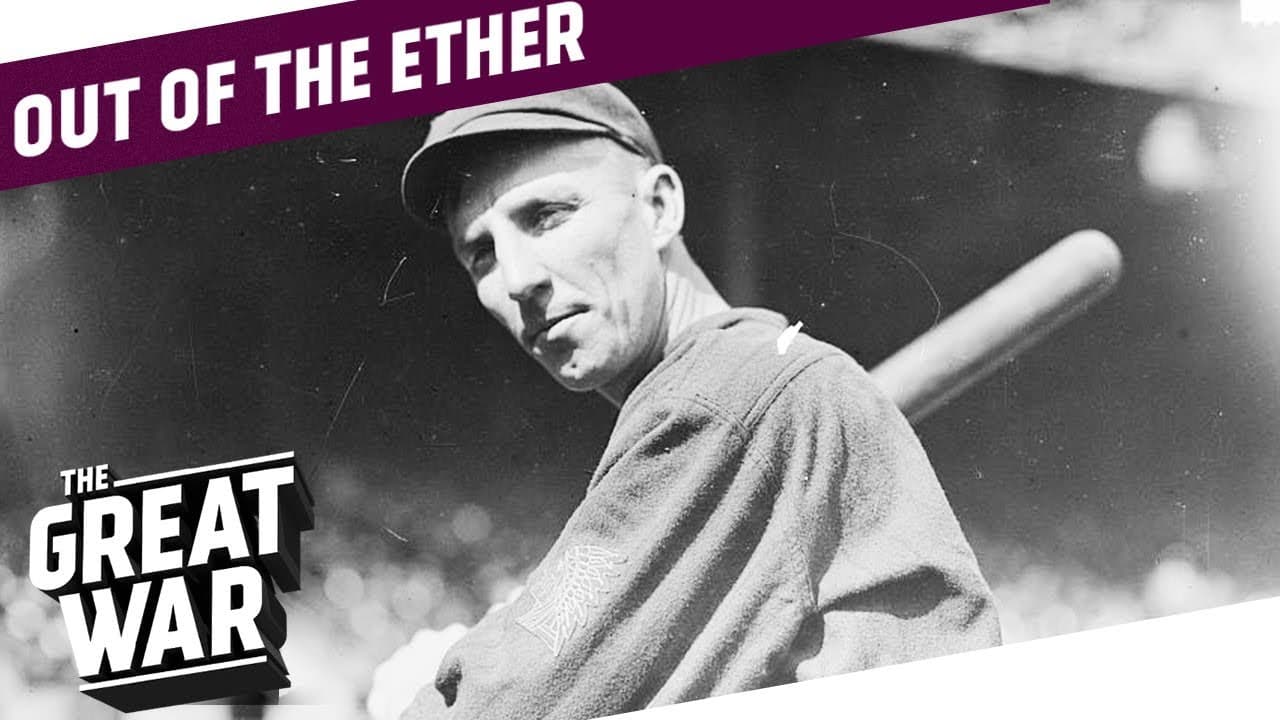
The 1918 World Series was greatly influenced by World War I.
Transcript
I'm Indie nidel and this is out of The Ether format here where I sit in the chair of wisdom and read your most interesting informative or even controversial comments so that everybody else can know your opinions uh Aaron W Miller writes about baseball during the war okay cool hello hello Indie I originally sent this message via Facebook they sugges... Read More
Key Insights
- World War I had a significant impact on American baseball, affecting cultural practices and the 1918 World Series.
- The 1918 World Series was the first to feature the Star-Spangled Banner, beginning a tradition in American sports.
- Baseball was seen as vital for physical strength and national security, influencing its role during the war.
- The 1918 World Series featured dominant teams, the Chicago Cubs and Boston Red Sox, during the dead ball era.
- Babe Ruth, then a pitcher, played a crucial role in the Red Sox's victory, showcasing his multifaceted talent.
- Despite efforts to prove its importance, baseball had to comply with the government's work or fight rule, shortening the season.
- The 1918 series saw relaxed Sunday baseball laws, highlighting its role as a morale booster during the war.
- Speculations exist about the Cubs intentionally losing the series, a year before the infamous Black Sox Scandal.
Install to Summarize YouTube Videos and Get Transcripts
Explore YouTube Video Summarizer or Get YouTube Transcript Extractor
Questions & Answers
Q: How did World War I impact baseball in 1918?
World War I significantly impacted baseball in 1918 by shortening the season due to the government's work or fight rule, which required all able-bodied men to serve in the military or work in essential industries. Baseball was also seen as a vital tool for physical training and national morale, leading to relaxed laws against Sunday games.
Q: What was significant about the 1918 World Series?
The 1918 World Series was significant for several reasons. It was the first to feature the Star-Spangled Banner, setting a tradition for American sports events. It also marked the end of the dead ball era, with dominant pitching from Babe Ruth and Carl Mays leading the Boston Red Sox to victory over the Chicago Cubs.
Q: Who were the key players in the 1918 World Series?
Key players in the 1918 World Series included Babe Ruth, who was a dominant pitcher for the Red Sox, and Carl Mays, who also contributed significantly to the team's victory. The Cubs had notable players like Grover Cleveland Alexander, although he did not play in the series, impacting their performance.
Q: What role did the Star-Spangled Banner play in the 1918 series?
The Star-Spangled Banner played a significant role in the 1918 series as it was performed during the seventh-inning stretch of the first game, starting a tradition that continues in American sports today. Its inclusion was a patriotic gesture, aligning with the nationalistic themes prevalent during World War I.
Q: Were there allegations of game-fixing in the 1918 series?
Yes, there were speculations that the Chicago Cubs intentionally lost the 1918 series, a year before the infamous Black Sox Scandal. Although there is no concrete evidence, the era was known for players colluding with gamblers, raising suspicions about the integrity of the games during that period.
Q: How did the war affect the baseball players personally?
The war affected baseball players personally as many served in the military, experiencing the same hardships as other soldiers. Some players, like Christy Mathewson, suffered lasting health issues due to wartime service, while others faced the ultimate sacrifice. The war also interrupted careers and changed the landscape of baseball.
Q: What changes occurred in baseball post-1918?
Post-1918, baseball saw the end of the dead ball era, with changes in rules and equipment that favored hitting over pitching. The period also marked the beginning of more organized efforts to prevent game-fixing, as the Black Sox Scandal led to stricter regulations and the appointment of a baseball commissioner to oversee the sport.
Q: How did baseball contribute to the war effort?
Baseball contributed to the war effort by raising funds for Allied causes and donating athletic equipment to soldiers. The sport emphasized its role in physical training and national morale, with players conducting military drills on the field and highlighting the contributions of players serving in the military.
Summary & Key Takeaways
-
The 1918 World Series, influenced by World War I, marked a pivotal moment in baseball history. It was the first to feature the Star-Spangled Banner, setting a lasting tradition in American sports. The Chicago Cubs and Boston Red Sox, dominant teams of the era, competed in a series characterized by the dead ball era's pitching dominance.
-
Babe Ruth, still a pitcher, played a crucial role in the Red Sox's victory, showcasing his multifaceted talent. Despite baseball's efforts to prove its importance to the war effort, the season was shortened due to the government's work or fight rule. This period saw relaxed Sunday baseball laws, emphasizing its role as a morale booster.
-
Speculations about the Cubs intentionally losing the series arose, a year before the infamous Black Sox Scandal. The war's impact extended beyond the series, affecting players' lives and careers, with many serving in the military. The 1918 series remains one of the most interesting contests in World Series history.
Read in Other Languages (beta)
Share This Summary 📚
Summarize YouTube Videos and Get Video Transcripts with 1-Click
Try YouTube Summary with ChatGPT & Claude or YouTube Transcript Generator
Explore More Summaries from The Great War 📚
Summarize YouTube Videos and Get Video Transcripts with 1-Click
Try YouTube Summary with ChatGPT & Claude or YouTube Transcript Generator