Is Tesla's Autopilot Legally Responsible for Crashes?
TL;DR
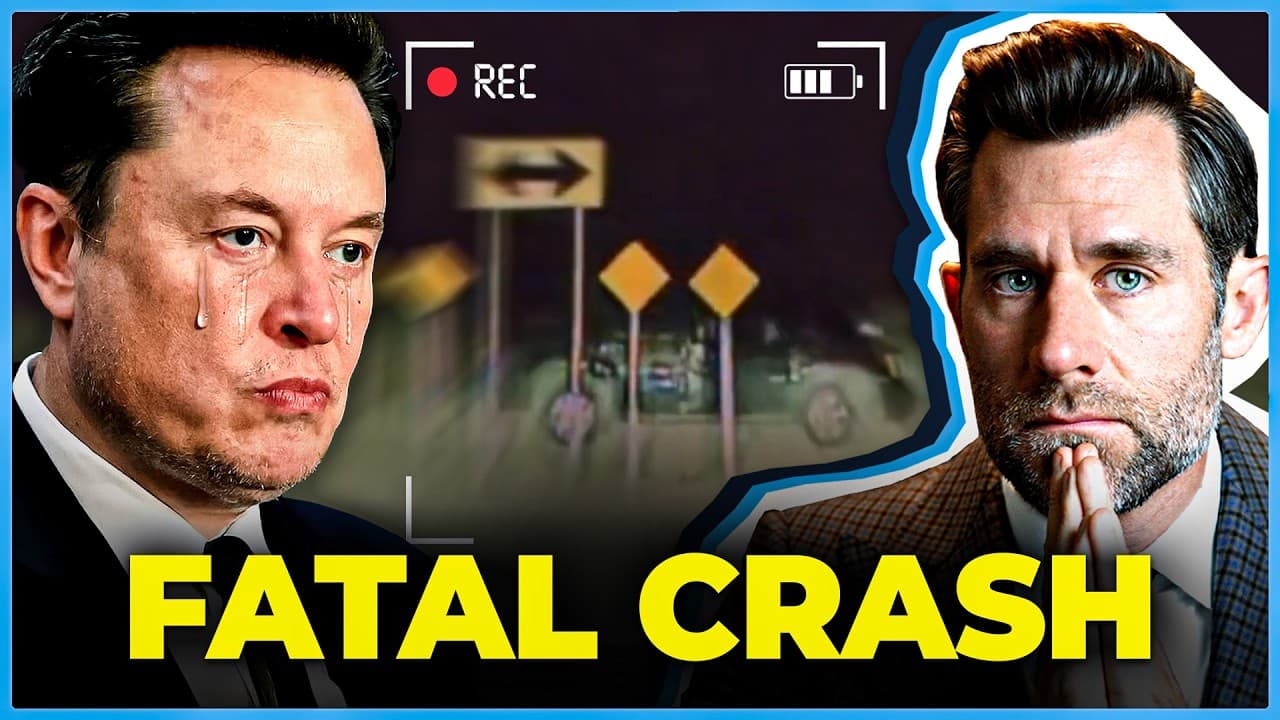
Tesla faced a lawsuit in Florida for a fatal crash involving its autopilot feature. The jury awarded $200 million in punitive damages, citing Tesla's misleading marketing and design flaws. The case highlights the legal implications of autonomous driving technology and the responsibilities of manufacturers in ensuring safety and transparency.
Transcript
Is this the beginning of the end for Tesla? And more importantly, does this settle who's responsible for when a self-driving car gets into an accident? In a shocking development, the guy who routinely promises totally unrealistic results, might finally be held accountable. Yes, Elon Musk, the same man who has blown up countless rocket ships and the... Read More
Key Insights
- Tesla was found liable in a Florida lawsuit for a fatal crash involving its autopilot feature.
- The jury awarded $200 million in punitive damages against Tesla for misleading marketing and design flaws.
- Plaintiffs argued that Tesla's autopilot was marketed as safer than it actually was, leading to over-reliance by drivers.
- The case centered on Tesla's failure to adequately warn users about the limitations of its autopilot system.
- Judge Bloom found that Tesla's design allowed drivers to use autopilot in unfit conditions, contributing to the crash.
- Tesla's autopilot feature was criticized for not preventing crashes despite the company's safety claims.
- The lawsuit is significant as it's the first time Tesla faced a jury trial for a wrongful death suit involving autopilot.
- Tesla plans to appeal the verdict, maintaining that autopilot is a life-saving technology.
Install to Summarize YouTube Videos and Get Transcripts
Explore YouTube Video Summarizer or Get YouTube Transcript Extractor
Questions & Answers
Q: How was Tesla found liable for the autopilot crash?
Tesla was found liable due to misleading marketing and design flaws in its autopilot system. The court ruled that Tesla's marketing led drivers to over-rely on the technology, and its design allowed the autopilot to be used in conditions it wasn't suited for, contributing to the fatal crash. The jury awarded $200 million in punitive damages as a result.
Q: What were the main arguments against Tesla in the lawsuit?
The main arguments against Tesla were that it misrepresented the safety and capabilities of its autopilot system, leading to driver over-reliance. Plaintiffs claimed that Tesla's design allowed the autopilot to be used in inappropriate conditions, and the company failed to provide adequate warnings about the system's limitations, which contributed to the crash.
Q: What did the jury decide in the Tesla autopilot lawsuit?
The jury decided that Tesla was partially liable for the fatal crash involving its autopilot system. They awarded $200 million in punitive damages, citing Tesla's misleading marketing and design flaws as contributing factors to the accident. The jury apportioned 33% of the blame to Tesla, with the remainder on the driver.
Q: Why did the court find Tesla's autopilot design flawed?
The court found Tesla's autopilot design flawed because it allowed drivers to use the system in conditions it wasn't designed for, such as small local roads. This contributed to the crash, as the autopilot failed to prevent the accident. The design flaws, combined with misleading marketing, led to driver over-reliance on the system.
Q: What role did marketing play in the Tesla lawsuit?
Marketing played a crucial role in the Tesla lawsuit as plaintiffs argued that Tesla's marketing misrepresented the safety and capabilities of its autopilot system. The misleading claims led drivers to over-rely on the technology, believing it was safer than it was, which contributed to the fatal crash and the subsequent legal ruling.
Q: How did Tesla respond to the lawsuit verdict?
Tesla responded to the lawsuit verdict by stating that the decision was wrong and that it planned to appeal. The company maintained that autopilot is a life-saving technology and argued that the verdict set back automotive safety efforts. Tesla claimed that the crash was primarily the driver's fault and vowed to challenge the ruling.
Q: What precedent does this lawsuit set for autonomous vehicle technology?
This lawsuit sets a significant precedent for autonomous vehicle technology by highlighting the legal responsibilities of manufacturers in ensuring safety and transparency. The ruling underscores the importance of accurate marketing and adequate warnings about the limitations of autonomous systems, potentially influencing future legal and regulatory actions in the industry.
Q: What were the implications of the punitive damages awarded to Tesla?
The punitive damages awarded to Tesla have significant implications as they serve to punish the company for its misleading marketing and design flaws, and to deter similar misconduct in the future. The $200 million in punitive damages reflect the jury's view of the severity of Tesla's actions and highlight the growing legal scrutiny of autonomous vehicle technology.
Summary & Key Takeaways
-
Tesla faced a significant legal challenge in Florida, where it was found partially liable for a fatal crash involving its autopilot feature. The jury awarded $200 million in punitive damages, citing misleading marketing and design flaws that contributed to the accident. This case underscores the legal responsibilities of car manufacturers in ensuring safety and transparency in autonomous technology.
-
The lawsuit highlighted Tesla's marketing of its autopilot system as safer than it actually was, leading to driver over-reliance. Judge Bloom pointed out that Tesla's design allowed the autopilot to be used in conditions it wasn't suited for, which was a substantial factor in the crash. The case marks a pivotal moment in legal scrutiny of autonomous driving technology.
-
Tesla's defense argued that the crash was primarily the driver's fault, but the court found that Tesla's flawed design and misleading claims contributed significantly. The verdict, which included substantial punitive damages, reflects the growing legal and public scrutiny of autonomous vehicle technology and the responsibilities of manufacturers to provide clear warnings and ensure user safety.
Read in Other Languages (beta)
Share This Summary 📚
Summarize YouTube Videos and Get Video Transcripts with 1-Click
Try YouTube Summary with ChatGPT & Claude or YouTube Transcript Generator
Explore More Summaries from LegalEagle 📚



Summarize YouTube Videos and Get Video Transcripts with 1-Click
Try YouTube Summary with ChatGPT & Claude or YouTube Transcript Generator