Can Federal Courts Appoint U.S. Attorneys?
TL;DR
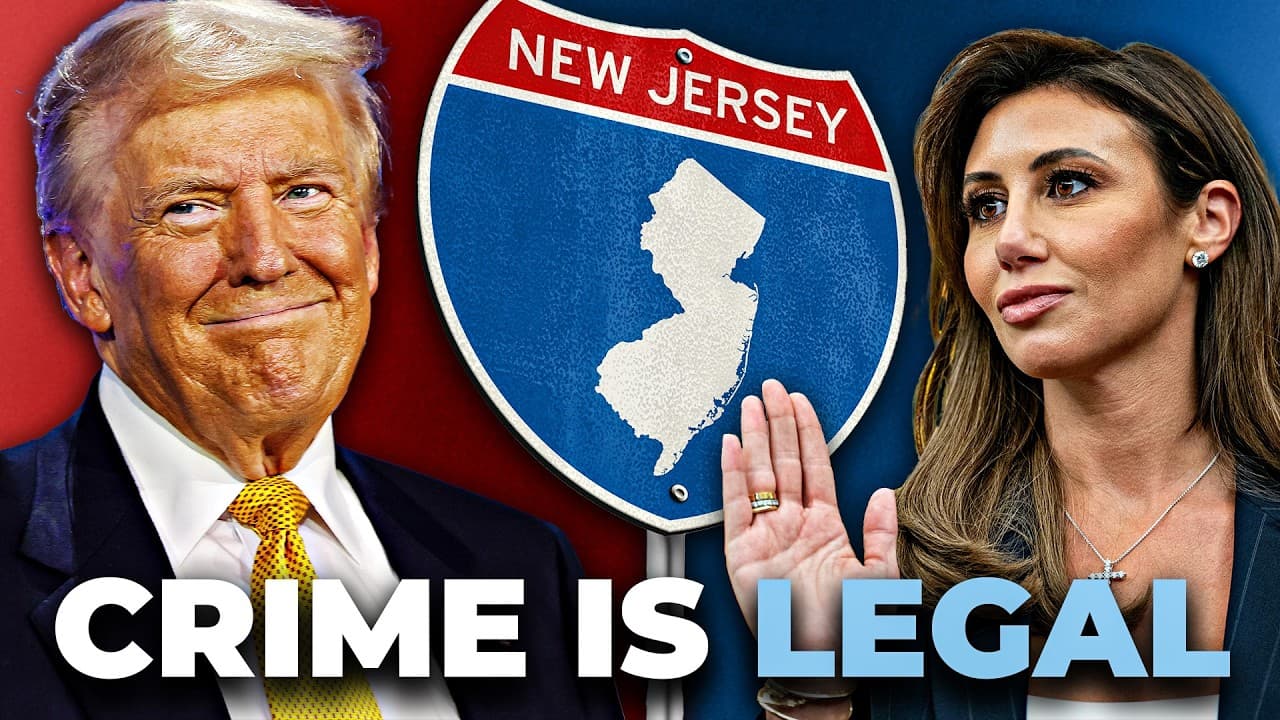
The video examines the legal battle over Alina Haba's appointment as U.S. Attorney for New Jersey. It questions the legality of her appointment and the Trump administration's maneuvers to keep her in office. The case raises issues about executive power and the roles of federal courts and the Attorney General in appointing U.S. Attorneys.
Transcript
Who gets to decide who prosecutes federal crimes in New Jersey? The courts or the president or the mob? That's the central question in a highstakes legal battle over Alina Haba, Donald Trump's former personal lawyer turned acting US attorney. After a federal judge panel rejected her reappoint and appointed a career prosecutor in her place, the Trum... Read More
Key Insights
- Alina Haba was appointed as interim U.S. Attorney for New Jersey by Trump, despite lacking prosecutorial experience.
- Federal courts can appoint U.S. Attorneys if an interim term expires and no Senate confirmation occurs.
- The Appointments Clause distinguishes between principal and inferior officers, affecting appointment authority.
- The Federal Vacancies Reform Act allows acting officers to serve with specific time limitations.
- The de facto officer doctrine may uphold actions taken by improperly appointed officials if done in good faith.
- Trump's administration used legal maneuvers to reappoint Haba despite court objections.
- Disputes over Haba's appointment could impact over 1,500 federal cases in New Jersey.
- The case highlights tensions between executive authority and judicial oversight in federal appointments.
Install to Summarize YouTube Videos and Get Transcripts
Explore YouTube Video Summarizer or Get YouTube Transcript Extractor
Questions & Answers
Q: How does the Appointments Clause affect U.S. Attorney appointments?
The Appointments Clause distinguishes between principal and inferior officers, affecting who has the authority to appoint them. Principal officers require presidential nomination and Senate confirmation, while inferior officers can be appointed by the president, courts, or department heads. This distinction influences whether U.S. Attorneys can be court-appointed or must be appointed by the president.
Q: What is the Federal Vacancies Reform Act?
The Federal Vacancies Reform Act allows acting officers to serve in vacant positions across the federal government, including U.S. Attorney offices, with specific time limitations. It specifies that acting officers can serve for up to 210 days and outlines conditions under which appointments are valid. This act plays a crucial role in the legal battle over Alina Haba's appointment.
Q: What is the de facto officer doctrine?
The de facto officer doctrine is a common law principle that validates actions taken by an improperly appointed official if they were widely believed to be serving in good faith. It ensures stability in government functions by allowing past actions to stand even if an appointment is later deemed invalid. The doctrine may apply to Alina Haba's actions as U.S. Attorney if her appointment is contested.
Q: Why is Alina Haba's appointment controversial?
Alina Haba's appointment as U.S. Attorney for New Jersey is controversial due to her lack of prosecutorial experience and the Trump administration's legal maneuvers to keep her in office despite a court's rejection. The case raises questions about executive power, the role of federal courts, and the boundaries of legal appointments, affecting over 1,500 federal cases.
Q: Can federal courts appoint U.S. Attorneys?
Federal courts can appoint U.S. Attorneys if an interim term expires and the Senate has not confirmed a nominee. This authority comes from 28 USC section 546, which allows courts to fill vacancies temporarily, pressuring the executive branch to nominate and confirm a permanent appointee. This provision is central to the legal dispute over Alina Haba's appointment.
Q: What role does the Attorney General play in U.S. Attorney appointments?
The Attorney General can appoint an interim U.S. Attorney when a vacancy occurs, as specified by 28 USC section 546. However, the Attorney General cannot appoint someone previously rejected by the Senate. In Alina Haba's case, the Attorney General's role in her reappointment is a point of legal contention, highlighting the limits of executive and judicial authority.
Q: How might Alina Haba's appointment impact federal cases?
If Alina Haba's appointment is deemed invalid, it could affect over 1,500 active federal cases in New Jersey. The Vacancies Act voids actions taken by improperly serving officials, potentially nullifying charges, pleas, and motions. The Justice Department argues that prosecutions remain valid under the de facto officer doctrine, but the legal uncertainty poses significant challenges to ongoing cases.
Q: What are the implications of the Haba case for executive power?
The Haba case has significant implications for executive power, particularly regarding the appointment and removal of U.S. Attorneys. It tests the boundaries of presidential authority, the role of federal courts in appointments, and the legal frameworks governing interim and acting positions. The outcome could set precedents for future disputes over executive appointments and judicial oversight.
Summary & Key Takeaways
-
Alina Haba's appointment as U.S. Attorney for New Jersey by the Trump administration has sparked legal controversy. The courts rejected her reappointment, leading to a procedural battle over who holds the authority to appoint U.S. Attorneys. This case raises significant questions about executive power and the legal boundaries of federal appointments.
-
The Appointments Clause and the Federal Vacancies Reform Act are central to understanding the legality of Haba's appointment. The distinction between principal and inferior officers determines who can appoint and remove U.S. Attorneys. The case also explores the implications of the de facto officer doctrine, which may validate actions taken by improperly appointed officials.
-
The legal dispute over Haba's appointment has significant consequences for federal prosecutions in New Jersey. Over 1,500 cases could be affected if her appointment is deemed invalid. The case underscores the ongoing struggle between the executive branch and the judiciary over control of federal appointments and prosecutorial authority.
Read in Other Languages (beta)
Share This Summary 📚
Summarize YouTube Videos and Get Video Transcripts with 1-Click
Try YouTube Summary with ChatGPT & Claude or YouTube Transcript Generator
Explore More Summaries from LegalEagle 📚





Summarize YouTube Videos and Get Video Transcripts with 1-Click
Try YouTube Summary with ChatGPT & Claude or YouTube Transcript Generator