Why Old Drugs Could Fight COVID-19
TL;DR
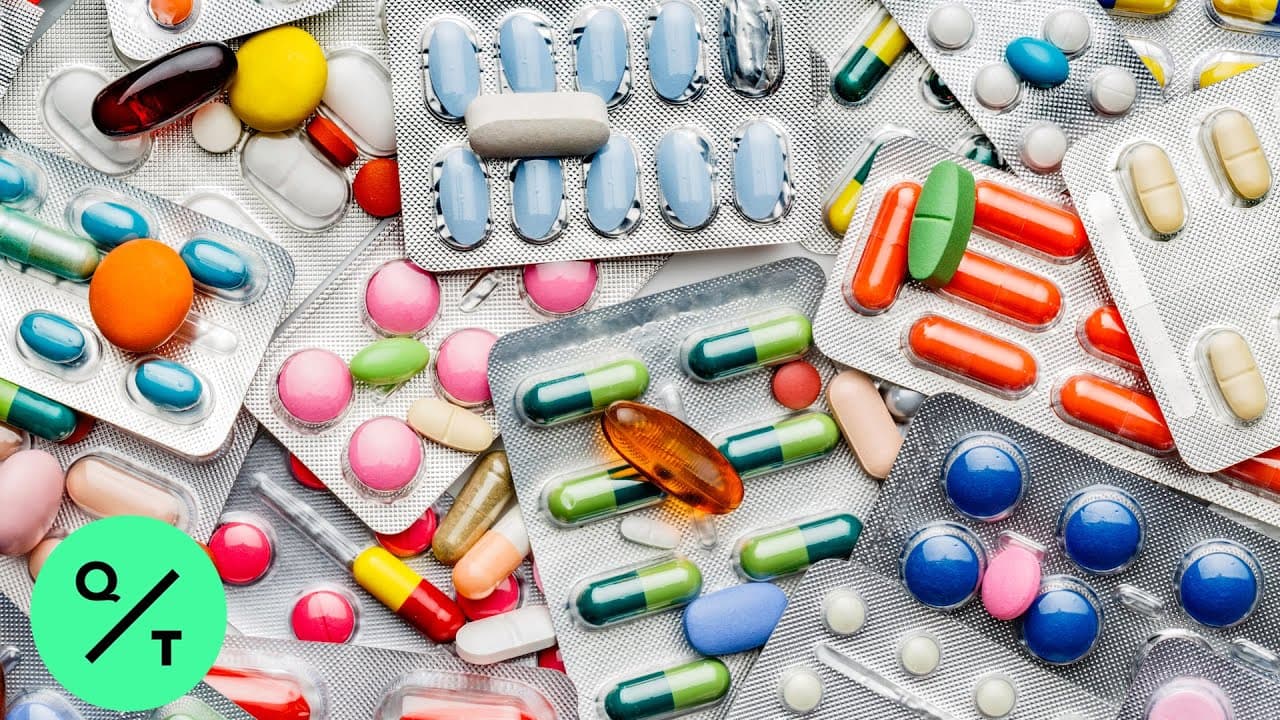
Existing drugs might help fight COVID-19 before a vaccine arrives.
Transcript
The WHO says there are no proven effective therapeutics to be had for the new coronavirus. Efforts are focused on detection and containment. A vaccine is still at least 12 to 18 months away. As the coronavirus pandemic escalates knowing we have such a long wait until we can immunise can be pretty scary. The coronavirus that causes COVID-19 is a new... Read More
Key Insights
- The World Health Organization states no proven therapeutics exist for COVID-19, with current efforts focused on detection and containment.
- A vaccine is expected to take 12 to 18 months to develop, prompting the need for immediate alternative solutions.
- Using pre-approved drugs is seen as the best short-term strategy to combat COVID-19 while more targeted approaches are developed.
- Professor Nevan Krogan's team has identified pre-existing drugs that may potentially fight the coronavirus by targeting human proteins.
- The virus hijacks major biological processes in human cells, necessitating the identification of proteins it interacts with.
- 332 human proteins connected to virus proteins were identified, with 69 drugs predicted to bind to these proteins.
- Of these drugs, 27 are FDA-approved, allowing for expedited use in humans without extensive toxicity trials.
- Financial barriers often hinder drug repurposing, but the urgency of the pandemic has accelerated efforts to explore existing drugs.
Install to Summarize YouTube Videos and Get Transcripts
Explore YouTube Video Summarizer or Get YouTube Transcript Extractor
Questions & Answers
Q: Why is it important to explore existing drugs for COVID-19 treatment?
Exploring existing drugs is crucial because developing a new vaccine could take 12 to 18 months. Existing drugs, particularly those already approved by the FDA, have passed toxicity trials and can be deployed more quickly. This approach provides a potential short-term solution to mitigate the impact of COVID-19 while vaccines are being developed.
Q: What is the main challenge in developing new drugs for COVID-19?
The main challenge in developing new drugs for COVID-19 is the time it takes to ensure their safety and efficacy. On average, it takes eight to nine years to bring a new drug to market due to the extensive clinical trials required. This lengthy process is a significant obstacle in responding swiftly to the pandemic.
Q: How does the coronavirus hijack human cells?
The coronavirus hijacks human cells by interacting with and manipulating major biological processes within the cells. It requires human genes and proteins to replicate and infect other cells. By identifying the proteins the virus interacts with, scientists aim to find existing drugs that can inhibit these processes and prevent the virus from spreading.
Q: What is the significance of identifying human proteins connected to virus proteins?
Identifying human proteins connected to virus proteins is significant because it helps researchers understand how the virus operates within host cells. By mapping these interactions, scientists can predict which existing drugs might bind to and inhibit these proteins, thereby disrupting the virus's ability to replicate and spread.
Q: What role does drug repurposing play in the fight against COVID-19?
Drug repurposing plays a crucial role in the fight against COVID-19 by offering a faster alternative to developing new treatments. It involves testing existing drugs, which are already approved for other uses, to see if they can be effective against the coronavirus. This approach can significantly reduce the time needed to find effective treatments.
Q: Why is there a financial barrier to drug repurposing?
There is a financial barrier to drug repurposing because pharmaceutical companies often hold patents for specific drugs. If another company discovers a new use for a drug, the original patent holder stands to gain the financial benefits, discouraging investment in repurposing efforts. However, the urgency of the COVID-19 pandemic has prompted more collaboration and exploration in this area.
Q: How has the urgency of the COVID-19 pandemic influenced drug research?
The urgency of the COVID-19 pandemic has accelerated drug research by pushing scientists and companies to explore existing drugs for new therapeutic uses. This sense of urgency has led to increased collaboration and a willingness to overcome financial and logistical barriers, expediting the testing and deployment of potential treatments.
Q: What is an example of successful drug repurposing?
An example of successful drug repurposing is Viagra, which was initially developed to treat heart pain. During clinical trials, it was discovered to have other beneficial effects, leading to its successful repurposing as a treatment for erectile dysfunction. This highlights the potential of repurposing existing drugs for new therapeutic applications.
Summary & Key Takeaways
-
The World Health Organization emphasizes that there are no proven treatments for COVID-19, with current efforts centered on detection and containment. Given the prolonged timeline for vaccine development, scientists are exploring existing drugs as a short-term solution to combat the virus.
-
Professor Nevan Krogan and his international team have identified pre-existing drugs that could potentially fight COVID-19. By mapping human proteins connected to virus proteins, they aim to find drugs that can inhibit these proteins and stop the virus from replicating.
-
The strategy of using pre-approved drugs, which have already passed toxicity trials, offers a quicker route to treatment. Despite financial challenges in drug repurposing, the current pandemic urgency has spurred efforts to test existing drugs for new therapeutic uses.
Read in Other Languages (beta)
Share This Summary 📚
Summarize YouTube Videos and Get Video Transcripts with 1-Click
Try YouTube Summary with ChatGPT & Claude or YouTube Transcript Generator
Explore More Summaries from Bloomberg Originals 📚

Summarize YouTube Videos and Get Video Transcripts with 1-Click
Try YouTube Summary with ChatGPT & Claude or YouTube Transcript Generator