One Of the Capable Generals of WW1 - Arthur Currie I WHO DID WHAT IN WW1?
TL;DR
Arthur Currie rose from militia to WW1 hero.
Transcript
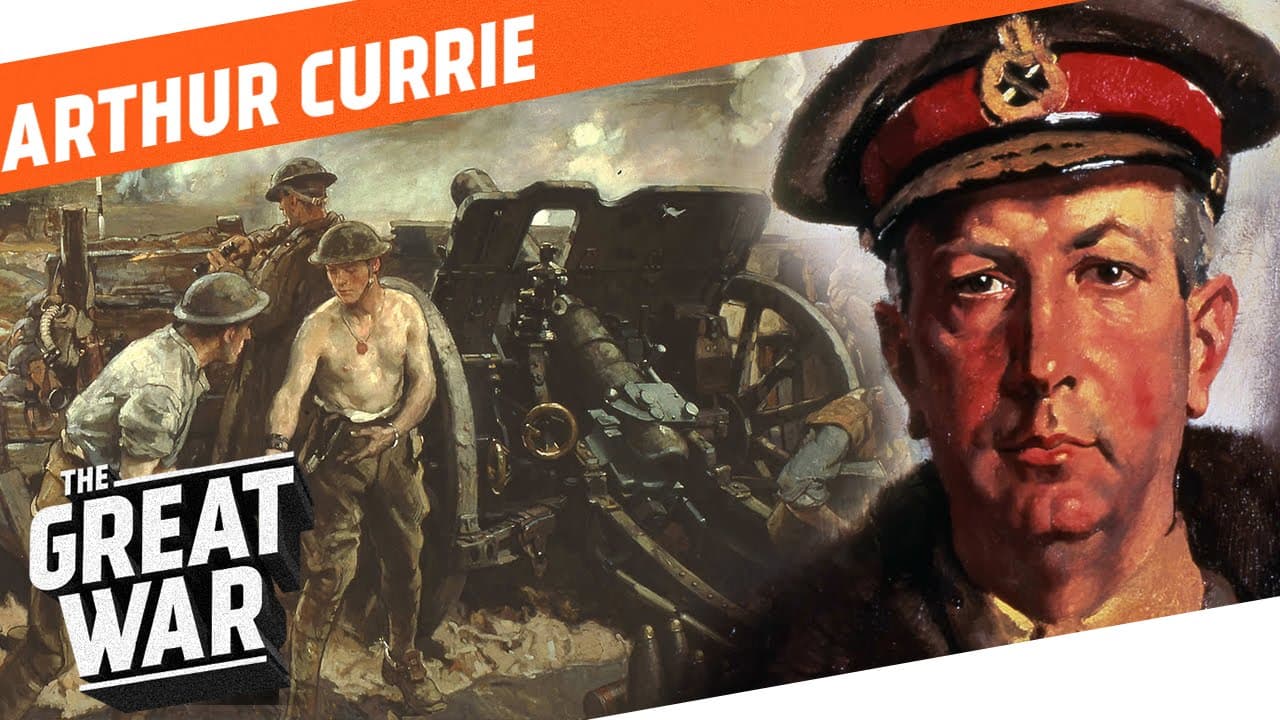
Canadian Arthur Currie had never commanded anything larger than a militia regiment by the outbreak of war in 1914, but within a few years he rose to be Commander of the Canadian Corps and became one of the most respected and able generals of the First World War. I’m Indy Neidell; welcome to another great war bio special edition of “who did what in ... Read More
Key Insights
- Arthur Currie, initially a militia officer, became a respected WW1 general, leading the Canadian Corps with distinction.
- Currie's military career began in British Columbia, where he quickly rose through the ranks due to his dedication and strategic acumen.
- Despite financial troubles, Currie's leadership in battles like Ypres and Vimy Ridge established his reputation as a capable and cautious commander.
- Currie's strategy emphasized meticulous planning and minimizing unnecessary casualties, setting him apart from many contemporaries.
- Promoted to Major-General, Currie advocated for decentralized control and heavy artillery support, revolutionizing infantry tactics.
- The victory at Vimy Ridge under Currie's command marked a turning point, showcasing Canadian troops as elite shock forces.
- Currie's financial indiscretions surfaced during the war, raising concerns about his character despite his military successes.
- Post-war, Currie contributed to Canadian military and academic institutions, serving as McGill University's principal until his death.
Install to Summarize YouTube Videos and Get Transcripts
Explore YouTube Video Summarizer or Get YouTube Transcript Extractor
Questions & Answers
Q: How did Arthur Currie rise to prominence during World War 1?
Arthur Currie rose to prominence during World War 1 through his strategic acumen and leadership skills. Initially a militia officer, he quickly advanced to command the Canadian Corps. His emphasis on meticulous planning and minimizing unnecessary casualties distinguished him from other generals, earning him respect and recognition for his contributions to key battles.
Q: What were Currie's key contributions to military tactics during the war?
Currie's key contributions to military tactics included advocating for decentralized infantry control and emphasizing heavy artillery support. These strategies allowed for more flexible and adaptive battlefield responses, reducing unnecessary casualties and enhancing the effectiveness of Canadian troops. His approach was instrumental in securing victories in battles like Vimy Ridge.
Q: How did Currie's financial issues impact his military career?
Currie's financial issues, stemming from a failed land speculation venture, led him to misappropriate funds from his militia regiment. Although this misconduct surfaced in 1917, potentially jeopardizing his reputation, Currie managed to repay the debt. Despite concerns about his character, his military successes overshadowed these issues, allowing him to maintain his leadership position.
Q: What was the significance of the Battle of Vimy Ridge for Currie and the Canadian Corps?
The Battle of Vimy Ridge was significant for Currie and the Canadian Corps as it marked a major victory and demonstrated their tactical prowess. Under Currie's leadership, Canadian troops executed a well-planned assault, capturing the ridge and earning a reputation as elite shock forces. This success bolstered national pride and highlighted Currie's effective command.
Q: How did Currie's leadership style differ from other generals of his time?
Currie's leadership style differed from other generals of his time due to his focus on minimizing casualties and meticulous planning. Unlike many contemporaries, he prioritized the safety of his men and insisted on adequate artillery support for infantry assaults. This approach, coupled with his insistence on flexibility and adaptability, set him apart as a cautious and competent commander.
Q: What were the long-term impacts of Currie's military strategies on Canadian forces?
Currie's military strategies had long-term impacts on Canadian forces by establishing a legacy of strategic innovation and tactical excellence. His emphasis on decentralized control and artillery coordination became foundational principles for subsequent military operations. These strategies not only contributed to wartime successes but also shaped the development of Canadian military doctrine in the years following the war.
Q: How did Currie's career evolve after World War 1?
After World War 1, Currie's career evolved as he transitioned from military to academic leadership. He was appointed inspector general of the militia forces in Canada and later became the principal and vice-chancellor of McGill University. In these roles, Currie continued to influence Canadian institutions, leveraging his leadership skills and strategic insights to contribute to national development.
Q: Why is Arthur Currie considered a Canadian hero today?
Arthur Currie is considered a Canadian hero today because of his significant contributions to the success of Canadian forces during World War 1. His strategic leadership and emphasis on planning and protection of his troops led to key victories and established the Canadian Corps as a formidable force. Currie's legacy of innovation and dedication to his country continues to be celebrated in Canadian history.
Summary & Key Takeaways
-
Arthur Currie, a Canadian militia officer, rose to prominence during World War 1, becoming a respected general known for his strategic planning and care for his troops. His leadership in key battles, such as Ypres and Vimy Ridge, cemented his legacy as a capable and cautious commander.
-
Despite initial financial struggles and a lack of formal military training, Currie's innovative tactics and emphasis on artillery support transformed the Canadian Corps into a formidable force on the Western Front, earning them a reputation as elite shock troops.
-
Post-war, Currie faced scrutiny over financial misconduct but continued to serve Canada as inspector general of the militia and later as principal of McGill University, leaving a lasting impact on both military and academic fields.
Read in Other Languages (beta)
Share This Summary 📚
Summarize YouTube Videos and Get Video Transcripts with 1-Click
Try YouTube Summary with ChatGPT & Claude or YouTube Transcript Generator
Explore More Summaries from The Great War 📚
Summarize YouTube Videos and Get Video Transcripts with 1-Click
Try YouTube Summary with ChatGPT & Claude or YouTube Transcript Generator