What Were Belgian Army Uniforms Like During World War 1?
TL;DR
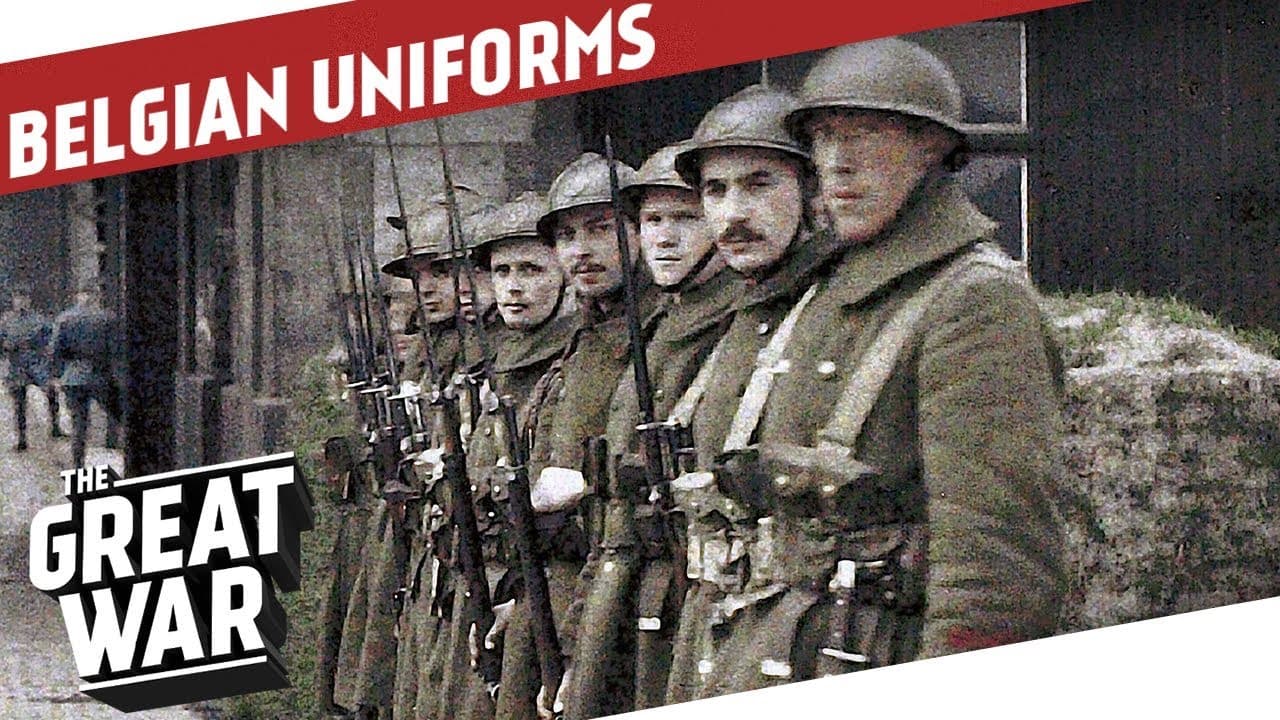
Belgian army uniforms during World War 1 evolved significantly due to resource constraints and wartime conditions. Initially, uniform styles were a mix of colors and designs, later transitioning to standardized khaki outfits for better camouflage. The sourcing of uniforms internationally from countries like France and the U.S. highlights the collaborative efforts to support the Belgian military throughout the conflict.
Transcript
I'm indy neidell and this is another exciting episode of the great war on the road. Now, we are in Belgium shooting several special episodes. We're in Dixmude (Diksmuide) now, longtime viewers of our show or people that are particularly interested in the first world war will recognize Dixmude The Yser (Ijzer) river, the race to the sea and we'll be... Read More
Key Insights
- The Belgian army uniforms during World War I were a mixture of different styles and colors due to the urgent need for supplies and the prolonged nature of the war.
- The Battle of the Yser in October 1914 was a significant event where various Belgian uniforms were utilized, demonstrating the lack of uniformity in their attire.
- Belgian uniforms were sourced globally, including from France, Argentina, the U.S., and England, highlighting the international effort to supply the Belgian army.
- The evolution of Belgian uniforms saw a transition from colorful attire to khaki uniforms, influenced by the need for camouflage and practicality in trench warfare.
- Special forces and tactical units emerged around 1916, using specialized equipment like rifle grenades, to conduct operations between Belgian and German lines.
- Belgian armored car units operated in Russia due to the inability to use them in occupied Belgium, showcasing the global reach of Belgian forces during the war.
- The scarcity of resources such as shoes led Belgium to seek manufacturing support from other countries, including France, Great Britain, and the United States.
- Innovations like the Veeckers helmet were developed in response to specific battlefield injuries, demonstrating the adaptation of equipment to wartime needs.
Install to Summarize YouTube Videos and Get Transcripts
Explore YouTube Video Summarizer or Get YouTube Transcript Extractor
Questions & Answers
Q: What challenges did the Belgian army face with their uniforms during WWI?
The Belgian army faced significant challenges with uniform consistency during WWI. Due to the prolonged nature of the conflict and the initial unpreparedness for a major war, their uniforms were a mixture of different styles and colors. They had to source uniforms from various countries, leading to a conglomeration of styles and materials.
Q: How did the Battle of the Yser impact Belgian uniforms?
The Battle of the Yser in October 1914 highlighted the diversity in Belgian army uniforms. Soldiers wore a mixture of uniforms due to the urgent need for supplies and the retreat from German forces. This battle demonstrated the lack of uniformity and the improvisation required by Belgian forces during the early stages of the war.
Q: What was the significance of sourcing uniforms globally for Belgium?
Sourcing uniforms globally was crucial for Belgium during WWI due to their limited resources. They acquired uniforms from France, Argentina, the U.S., and England, which allowed them to quickly equip their soldiers despite the ongoing conflict. This international effort was essential for maintaining the Belgian army's operational capabilities.
Q: How did Belgian uniforms evolve during the war?
Belgian uniforms evolved from colorful attire to more practical khaki uniforms as the war progressed. This change was influenced by the need for better camouflage and the practical demands of trench warfare. The transition to khaki uniforms was part of a broader trend seen in other armies during the war.
Q: What role did Belgian special forces play during WWI?
Belgian special forces emerged around 1916, conducting tactical operations between Belgian and German lines. They used specialized equipment like rifle grenades to capture prisoners and gather intelligence. These small, tactical units were crucial in maintaining pressure on German forces and adapting to the dynamic battlefield conditions.
Q: Why did Belgian armored car units operate in Russia?
Belgian armored car units operated in Russia because they could not be effectively used in occupied Belgium. These units volunteered for the Russian army and served in Galicia. Their deployment in Russia highlights the global reach of Belgian forces and their adaptability in finding roles outside of Belgium during the war.
Q: How did Belgium address the shortage of military shoes?
Belgium addressed the shortage of military shoes by seeking manufacturing support from other countries, including France, Great Britain, and the United States. They requested these countries to produce shoes and negotiated costs, showcasing the international collaboration necessary to equip their soldiers adequately during the war.
Q: What innovations were made in Belgian military equipment during WWI?
Innovations in Belgian military equipment during WWI included the development of the Veeckers helmet, designed to protect soldiers' eyes from injuries. This helmet was created by an ophthalmologist in response to specific battlefield injuries, demonstrating the adaptation of military gear to meet the evolving needs of soldiers during the conflict.
Summary & Key Takeaways
-
The video discusses the variety and evolution of Belgian army uniforms during World War I, highlighting the challenges faced in maintaining a consistent military attire due to resource constraints and the prolonged conflict.
-
Belgium's strategic sourcing of uniforms and equipment from multiple countries is explored, emphasizing the international collaboration necessary to support their military efforts during the war.
-
The development of special forces and the adaptation of military gear, such as the transition to khaki uniforms and the introduction of protective helmets, are examined as responses to the changing demands of warfare.
Read in Other Languages (beta)
Share This Summary 📚
Summarize YouTube Videos and Get Video Transcripts with 1-Click
Try YouTube Summary with ChatGPT & Claude or YouTube Transcript Generator
Explore More Summaries from The Great War 📚
Summarize YouTube Videos and Get Video Transcripts with 1-Click
Try YouTube Summary with ChatGPT & Claude or YouTube Transcript Generator