What Makes the 187.5-Carat Foxfire Diamond So Unique?
TL;DR
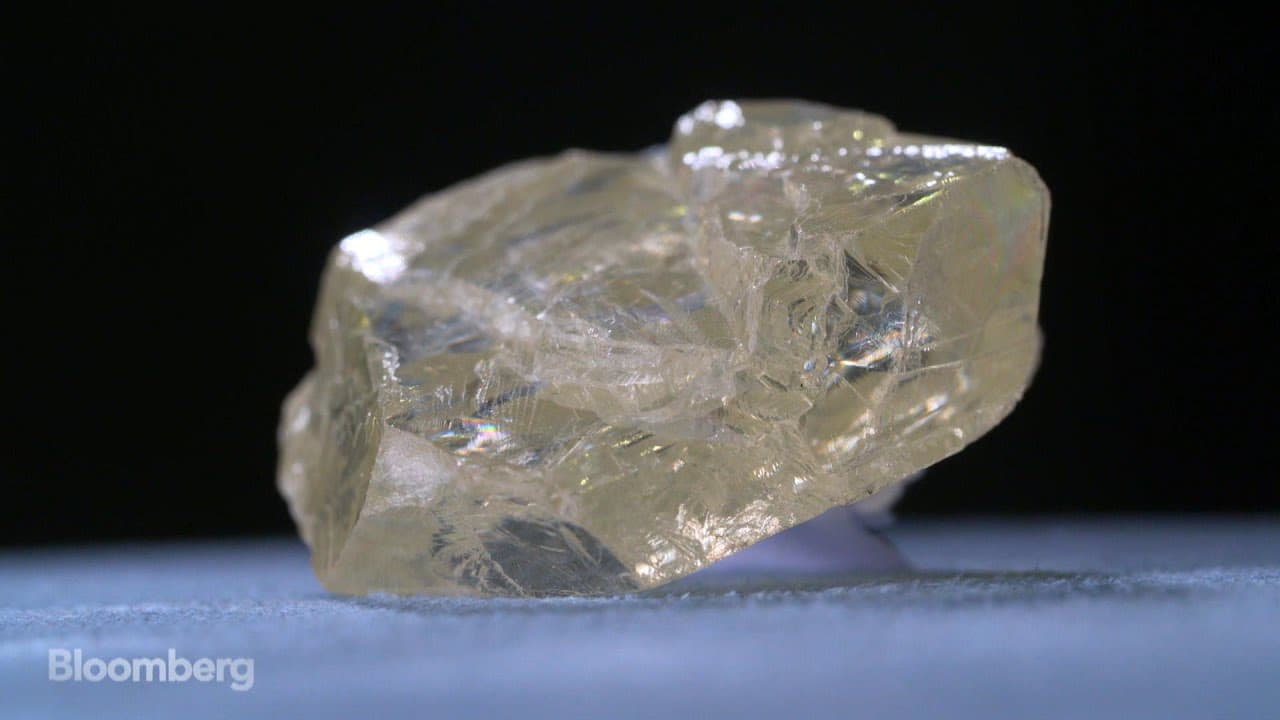
The Foxfire diamond, weighing 187.5 carats, is a rare find from the Diavik Diamond Mine in Canada, discovered under extraordinary geological conditions. Its elongated shape allowed it to evade processing crushers, making it a significant piece of North American diamond history with an expected sale price between $5 to $10 million as the mine approaches closure in 2024.
Transcript
130 Mi south of the Arctic Circle the ground is blanketed in snow and ice even in May the landscape is more water than land beautiful pristine and 60 million years ago a scene of utter Devastation all of a sudden in this undisturbed Tundra there's Ash everywhere it looks like the apocalypse and there's these holes to you know down to the the bowels... Read More
Key Insights
- Foxfire is a 187.5-carat diamond found in the Diavik Diamond Mine in Canada's Northwest Territories, a location not typically known for large gem-quality diamonds.
- The diamond was discovered due to its unique elongated shape, which allowed it to slip through the ore processor's filtering system designed to crush larger stones.
- Foxfire's discovery is considered a geological miracle, as it was found beneath a frozen lake in one of Earth's harshest landscapes, the subarctic region near the Arctic Circle.
- The Diavik Diamond Mine processes 2 million metric tons of ore annually, yielding 6.4 million carats last year, but large diamonds like Foxfire are rarely found.
- The mine is set to close in 2024, making Foxfire a potential piece of North American history and increasing its value to collectors.
- Foxfire is expected to sell for $5 to $10 million, a fraction of other large diamonds due to the rarity of such finds in Canada.
- Two potential buyers are interested in Foxfire: one plans to keep it in its rough form, while the other intends to craft it into a pendant.
- The rarity and unique discovery conditions of Foxfire highlight the unpredictable nature of diamond mining and the geological processes involved.
Install to Summarize YouTube Videos and Get Transcripts
Explore YouTube Video Summarizer or Get YouTube Transcript Extractor
Questions & Answers
Q: What makes Foxfire a unique diamond discovery?
Foxfire is unique due to its size and the location where it was found. At 187.5 carats, it is an unusually large diamond for the Diavik Diamond Mine in Canada's Northwest Territories, a region not typically known for producing large gem-quality diamonds. Its discovery was a fluke, as its elongated shape allowed it to slip through the ore processor's filtering system designed to crush larger stones.
Q: How was Foxfire discovered in the Diavik Diamond Mine?
Foxfire was discovered in the Diavik Diamond Mine due to its unique shape, which allowed it to escape the processing crushers. The mine is configured to crush stones over an inch, but Foxfire's elongated shape enabled it to turn sideways and slip through a screen, ending up in a collection bucket instead of being pulverized.
Q: What are the financial expectations for Foxfire's sale?
Foxfire is expected to sell for between $5 to $10 million. Despite its size and rarity, it is priced lower than other large diamonds due to the scarcity of such finds in Canada. Its unique origin and the approaching closure of the Diavik Mine add historical value, potentially increasing its appeal to collectors.
Q: Why is the discovery of Foxfire considered a geological miracle?
The discovery of Foxfire is considered a geological miracle because it was found beneath a frozen lake in one of the harshest landscapes on Earth, near the Arctic Circle. The subarctic region where the Diavik Mine is located is not typically known for producing large gem-quality diamonds, making Foxfire's discovery an extraordinary event.
Q: What are the potential plans for Foxfire's future?
Two potential buyers have shown interest in Foxfire. One buyer wishes to keep the diamond in its rough form, appreciating its natural state. The other buyer plans to craft it into a pendant, potentially creating a piece over 100 carats. Both options highlight the diamond's versatility and appeal to different collector preferences.
Q: How does the Diavik Mine's closure impact Foxfire's value?
The impending closure of the Diavik Mine in 2024 adds historical significance to Foxfire, potentially increasing its value. As one of the few large diamonds found in the mine, Foxfire represents a unique piece of North American diamond history, making it more appealing to collectors who value its rarity and origin.
Q: What are the geological processes involved in Foxfire's formation?
Foxfire was formed through geological processes involving kimberlite, a type of volcanic rock that transports diamonds from deep within the Earth's mantle to the surface. The explosive eruption of kimberlite created conditions that allowed diamonds to 'hitch a ride' to the surface, where they were deposited in the subarctic region.
Q: How does Foxfire compare to other large diamonds found globally?
Foxfire, at 187.5 carats, is smaller than some other large diamonds found globally, such as the 813-carat diamond discovered in Botswana. However, its rarity and the unique circumstances of its discovery in Canada make it significant. While it may fetch a lower price, its historical and geological uniqueness adds to its value.
Summary & Key Takeaways
-
Foxfire, a 187.5-carat diamond, was discovered in the Diavik Diamond Mine in Canada's Northwest Territories. Its unique shape allowed it to escape processing crushers, making it a rare find in an area not known for large diamonds.
-
Found beneath a frozen lake, Foxfire's discovery is considered a geological rarity. The mine processes millions of carats annually, but a diamond of this size is exceptional, increasing its historical and financial value.
-
With the Diavik Mine's closure approaching, Foxfire represents a significant piece of North American diamond history. Its expected sale price ranges from $5 to $10 million, attracting collectors interested in its unique origin.
Read in Other Languages (beta)
Share This Summary 📚
Summarize YouTube Videos and Get Video Transcripts with 1-Click
Try YouTube Summary with ChatGPT & Claude or YouTube Transcript Generator
Explore More Summaries from Bloomberg Originals 📚






Summarize YouTube Videos and Get Video Transcripts with 1-Click
Try YouTube Summary with ChatGPT & Claude or YouTube Transcript Generator