Inside the Debate Over College Athlete Pay
TL;DR
Discussion on NCAA's financial disparity and athlete compensation.
Transcript
I once saw Kareem Abdul Jabar come down Central Park South and you would have thought it was royalty there's something about him something about the Heritage Lou elender UCLA John Wooden and all that would Kareem Abdul Jabar know the present day NCAA uh actually yes he would uh it hasn't changed in terms of what a lot of what it does uh from then t... Read More
Key Insights
- Kareem Abdul-Jabbar's college experience at UCLA highlighted systemic issues in NCAA regarding player treatment and benefits.
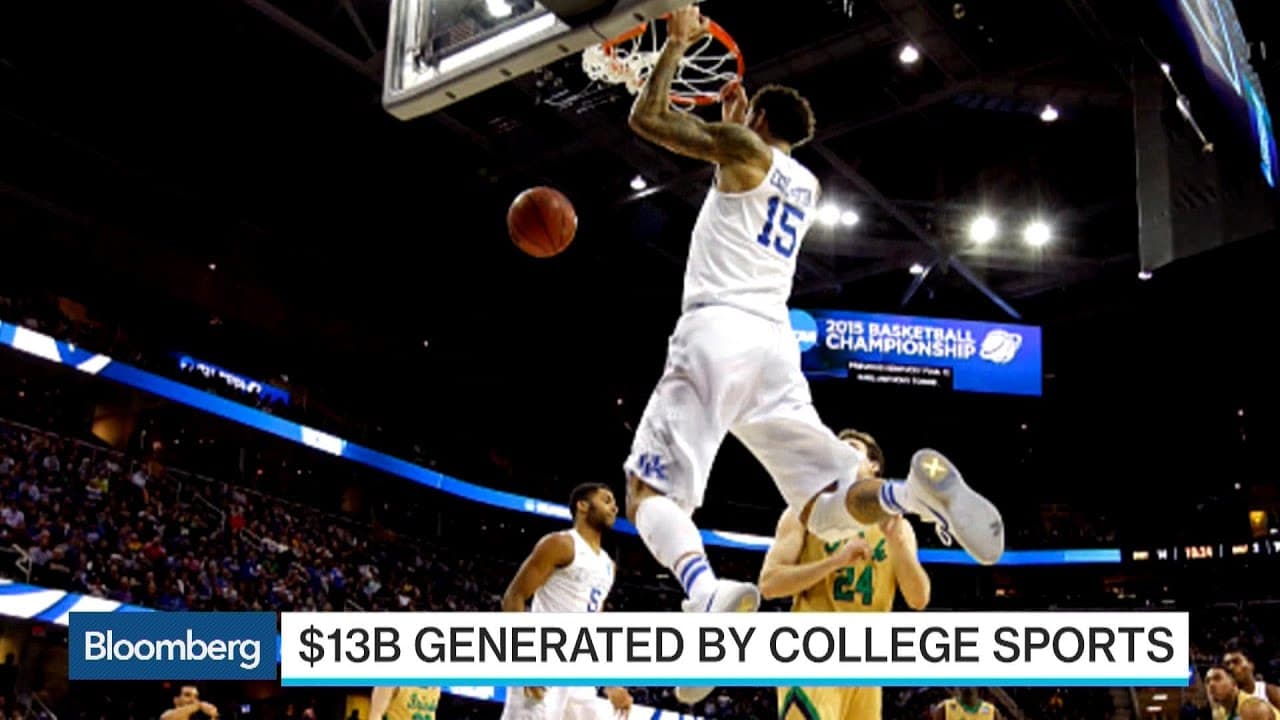
- March Madness generates significant revenue, yet the disparity between those who profit and the athletes is stark and concerning.
- The NCAA argues that revenue from major sports supports other university programs, but this raises ethical questions about fairness.
- Proposed solutions suggest paying college athletes a minimum salary to align their benefits with other campus individuals.
- Recruitment practices in college sports are costly; paying athletes directly could streamline processes and reduce expenses.
- Reviving struggling sports programs requires strategic recruitment and leveraging alumni support, focusing on heritage and coaching excellence.
- The book 'Indentured' critiques the NCAA system, highlighting the exploitation and financial inequities faced by college athletes.
- There is a debate on whether college athletes should remain amateurs or receive compensation akin to professional athletes.
Install to Summarize YouTube Videos and Get Transcripts
Explore YouTube Video Summarizer or Get YouTube Transcript Extractor
Questions & Answers
Q: What are the main issues with the current NCAA system?
The NCAA system faces criticism for its financial disparity, where significant revenues from events like March Madness are not shared with the athletes who generate them. This raises ethical concerns, as the athletes often come from less privileged backgrounds and do not receive adequate compensation for their contributions.
Q: How does the current revenue model affect college sports programs?
The current revenue model supports various university programs through funds generated by major sports like football and basketball. However, this model is criticized for being unfair, as it relies on the exploitation of athletes from less privileged backgrounds to subsidize other programs like lacrosse, which are often composed of more affluent participants.
Q: What solutions are proposed for compensating college athletes?
One proposed solution is to implement a minimum salary cap for college athletes, ensuring they receive fair compensation for their contributions. This would align their financial benefits with those of other individuals on campus and help address the ethical concerns surrounding the current NCAA model.
Q: How could paying athletes affect recruitment practices?
Paying athletes directly could streamline recruitment practices by reducing the need for costly and extravagant recruitment efforts. Schools could offer clear financial incentives, allowing athletes to make informed decisions based on their worth, ultimately saving money and reducing the current recruitment antics.
Q: What role do alumni and heritage play in reviving sports programs?
Alumni support and heritage play crucial roles in reviving sports programs. By leveraging alumni contributions for facilities and focusing on the program's historical significance, schools can attract talented athletes and reputable coaches, forming a strong foundation for rebuilding and enhancing struggling programs.
Q: What is the book 'Indentured' about?
'Indentured,' co-authored by Joe Nocera and Ben Strauss, critiques the NCAA's business model, highlighting the exploitation of college athletes. The book argues for fair compensation for athletes, exposing the financial inequities and systemic issues within the NCAA, and advocating for reforms to address these challenges.
Q: How does the NCAA justify its current financial practices?
The NCAA justifies its financial practices by claiming that the revenue generated from major sports supports other university programs, allowing for a diverse range of athletic opportunities. However, this justification is contested, as it raises ethical questions about fairness and the exploitation of athletes from less privileged backgrounds.
Q: What are the ethical concerns surrounding college athlete compensation?
Ethical concerns center around the financial exploitation of college athletes, who generate significant revenue for the NCAA but do not receive adequate compensation. This disparity is particularly troubling given the athletes' backgrounds, and there is a growing call for reforms to ensure fair treatment and compensation for their contributions.
Summary & Key Takeaways
-
The discussion centers around the financial dynamics of NCAA sports, highlighting the disparity between the massive revenues generated and the lack of compensation for athletes. The conversation explores ethical concerns and proposes solutions like a minimum salary for athletes to address these issues.
-
Kareem Abdul-Jabbar's experiences at UCLA illustrate long-standing issues within the NCAA, where athletes often face inequitable treatment. The narrative critiques the current system, suggesting that revenue from major sports should not subsidize other university programs at athletes' expense.
-
The book 'Indentured' by Joe Nocera and Ben Strauss delves into the NCAA's business model, arguing for athlete compensation. The authors propose a salary cap system to ensure fair compensation, reduce recruitment costs, and address the financial inequities within college sports.
Read in Other Languages (beta)
Share This Summary 📚
Summarize YouTube Videos and Get Video Transcripts with 1-Click
Try YouTube Summary with ChatGPT & Claude or YouTube Transcript Generator
Explore More Summaries from Bloomberg Originals 📚






Summarize YouTube Videos and Get Video Transcripts with 1-Click
Try YouTube Summary with ChatGPT & Claude or YouTube Transcript Generator