Can Sanctions Really Stop Putin's War?
TL;DR
Sanctions aim to cripple Russia's economy to stop Putin's war.
Transcript
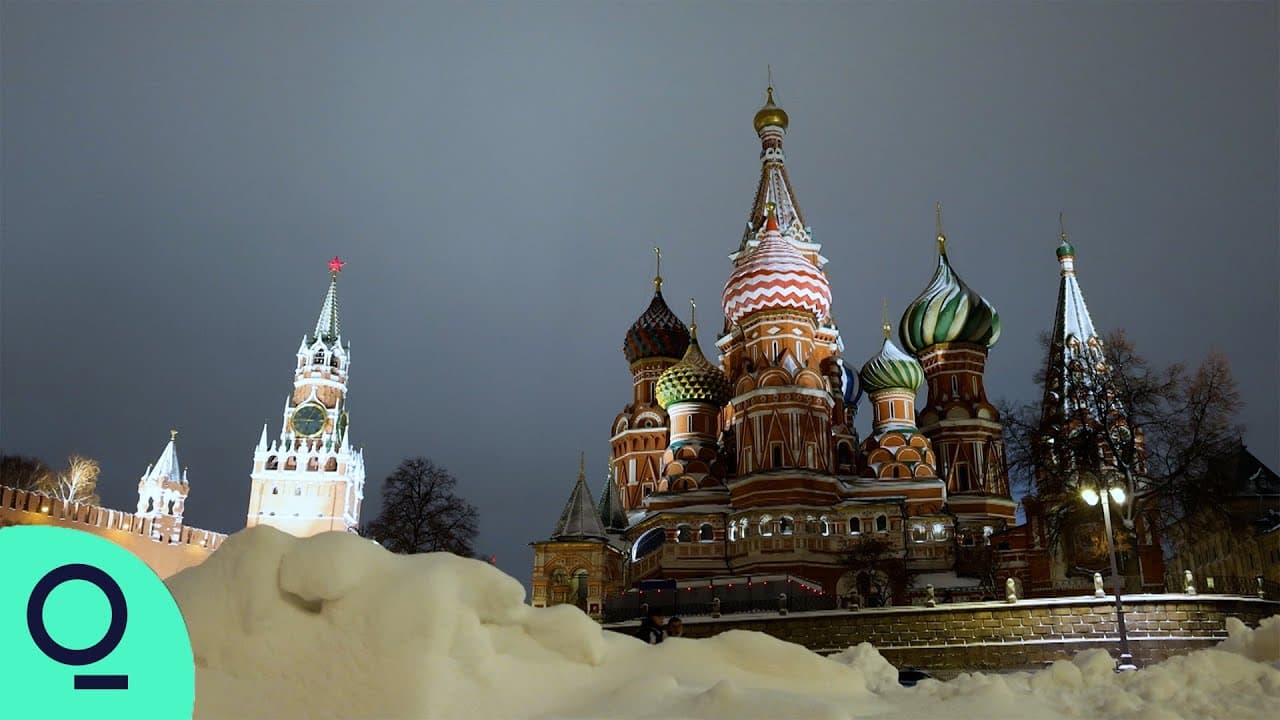
Tonight, the Kremlin is accusing the U.S. of an economic war on Russia, one day after President Biden's ban on Russian oil and other energy imports. This is unprecedented, that a large economy, 150 million people, has been literally, walled off from the rest of the global economy within a matter of days. Working in unison, Western governments have ... Read More
Key Insights
- Western nations have imposed unprecedented sanctions on Russia, aiming to cripple its economy and pressure Putin to end the war in Ukraine.
- Russia's GDP is expected to contract by 30%, akin to the Great Depression, severely impacting the Russian populace and economy.
- The sanctions have created a significant economic impact, with international companies leaving Russia and its stock market seizing up.
- The effectiveness of sanctions is debated, with historical examples like Iran and North Korea showing limited success in changing regimes.
- Targeting Russian oligarchs is crucial as they hold significant assets for Putin, indicating the potential impact of these sanctions.
- The West's unified response is unprecedented, with countries like Switzerland breaking neutrality to join the sanctions effort.
- Sanctions are only as effective as their enforcement, with the EU's decentralized enforcement posing challenges compared to the U.S.
- China's potential support for Russia could undermine sanctions, but risks damaging its international standing and relations with the U.S.
Install to Summarize YouTube Videos and Get Transcripts
Explore YouTube Video Summarizer or Get YouTube Transcript Extractor
Questions & Answers
Q: What is the primary goal of the sanctions against Russia?
The primary goal of the sanctions is to cripple Russia's economy to such an extent that it pressures President Vladimir Putin to end the war in Ukraine. By targeting various economic sectors and individuals, the sanctions aim to deplete the financial resources available for the war effort.
Q: How have the sanctions impacted Russia's economy?
The sanctions have led to a projected 30% contraction in Russia's GDP, akin to the Great Depression's impact on the U.S. economy. This economic downturn has resulted in international companies leaving Russia, the stock market seizing up, and widespread financial challenges for the Russian populace.
Q: Why are Russian oligarchs a key target of the sanctions?
Russian oligarchs are targeted because they hold significant assets for Putin and are integral to his financial network. By freezing their assets and restricting their economic activities, the sanctions aim to cut off a crucial source of funding for Putin's war efforts, potentially influencing his decisions.
Q: What role could China play in the context of these sanctions?
China could potentially undermine the sanctions by providing financial support or serving as a payment conduit for Russia. However, such actions could damage China's international relations and risk secondary sanctions from the U.S., complicating its involvement.
Q: How has the international community responded to Russia's actions?
The international community, including historically neutral nations like Switzerland, has united in imposing sanctions against Russia. This unprecedented coalition aims to pressure Russia economically and politically, highlighting the global condemnation of Putin's actions in Ukraine.
Q: Are there concerns about the enforcement of these sanctions?
Yes, there are concerns about the enforcement of sanctions, particularly within the EU, where enforcement is decentralized among member states. This can lead to inconsistencies and weaknesses compared to the more centralized U.S. enforcement system, potentially affecting the overall effectiveness of the sanctions.
Q: What historical precedents are cited regarding the effectiveness of sanctions?
Historical precedents like Iran and North Korea are cited, where sanctions have not led to significant regime change or policy shifts. These examples raise questions about whether sanctions alone can achieve the desired outcomes in Russia, particularly given Putin's resilience.
Q: What are the potential long-term effects of these sanctions on Russia?
The long-term effects could include a severely weakened Russian economy, a decimated middle class, and increased domestic unrest. However, the sanctions could also consolidate Putin's power if they fail to incite significant political change, leading to prolonged economic hardship without achieving the intended political outcomes.
Summary & Key Takeaways
-
Western nations have united to impose severe sanctions on Russia, aiming to halt Putin's aggression in Ukraine by crippling Russia's economy. The sanctions have led to a significant economic downturn in Russia, reminiscent of the Great Depression.
-
The effectiveness of sanctions is questioned, as historical precedents like Iran and North Korea show limited success. However, targeting Russian oligarchs is seen as crucial due to their financial ties to Putin.
-
China's potential role in aiding Russia poses a challenge to the sanctions' effectiveness, but it risks harming China's international relations. The situation remains fluid, with the outcome of these unprecedented sanctions uncertain.
Read in Other Languages (beta)
Share This Summary 📚
Summarize YouTube Videos and Get Video Transcripts with 1-Click
Try YouTube Summary with ChatGPT & Claude or YouTube Transcript Generator
Explore More Summaries from Bloomberg Originals 📚



Summarize YouTube Videos and Get Video Transcripts with 1-Click
Try YouTube Summary with ChatGPT & Claude or YouTube Transcript Generator