Why Edward Snowden Became a Whistleblower
TL;DR
Edward Snowden became a whistleblower due to growing awareness of government surveillance abuses that target innocent individuals. He emphasizes the importance of public knowledge and decision-making regarding these practices, asserting that everyone should care about their privacy and the risks of unchecked surveillance. Snowden chose to speak out openly, accepting the personal risks involved to challenge the overreach of the American surveillance state.
Transcript
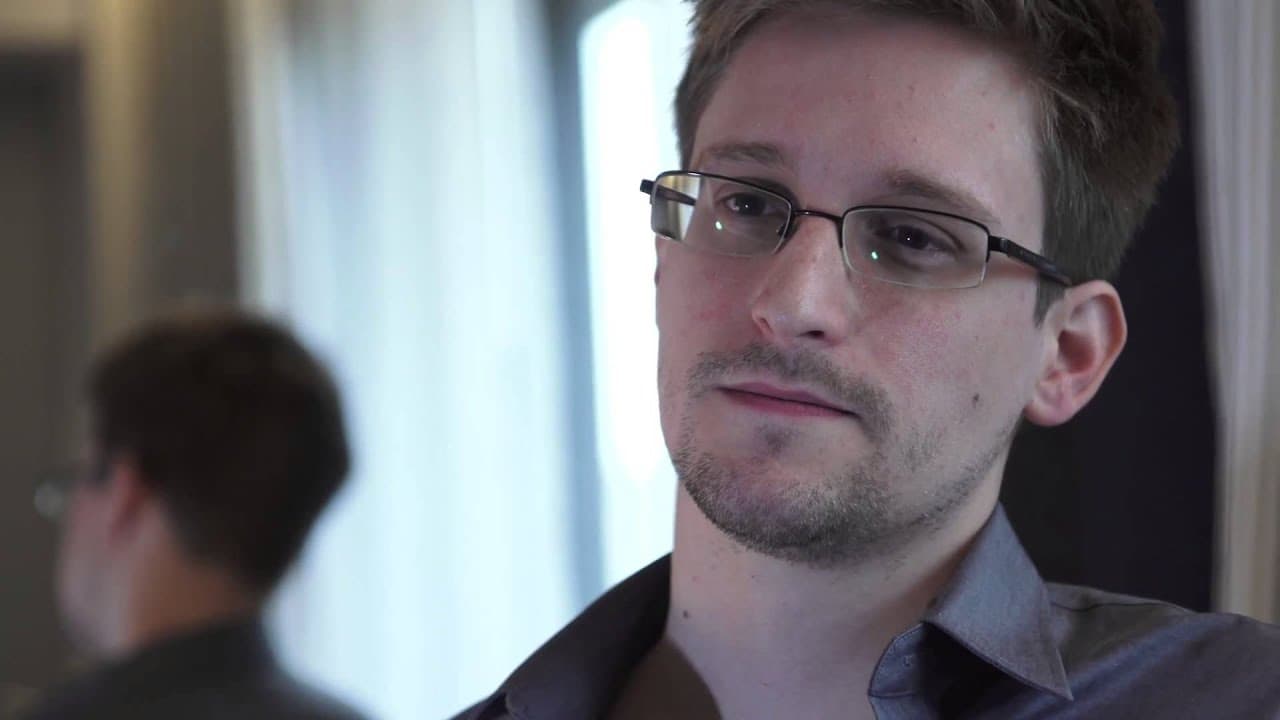
uh my name is Ed Snowden I'm uh 29 years old I work for Booze Allen Hamilton as an infrastructure analyst for NSA uh in Hawaii what are some of the positions that you held previously within the intelligence Community uh I've been a systems engineer systems administrator uh uh senior advisor uh for the uh Central Intelligence Agency Solutions consul... Read More
Key Insights
- 🔑 Whistleblowers experience a buildup of awareness of wrongdoing over time, leading them to feel compelled to speak out when their concerns are not taken seriously.
- 🔓 The American surveillance state is focused on gathering intelligence through any means possible, even collecting and analyzing the communications of innocent individuals.
- 🗣️ Edward Snowden chose to openly declare himself as a whistleblower to provide the public with an explanation of his motivations, emphasizing the need for democratic decision-making.
- 👥 Whistleblowers face risks and retaliation from powerful intelligence agencies, but they are willing to accept these risks to defend the authenticity of their disclosures.
- 📚 Surveillance should be a concern for everyone, as innocent individuals can fall under suspicion and have their entire lives scrutinized based on false accusations.
- 🌍 Edward Snowden traveled to Hong Kong because it has a strong tradition of free speech and a government that is relatively independent compared to other Western governments.
- 🌍 Edward Snowden's motive was not to harm the United States or gain personal material benefits, as he had the capability to do so but chose not to. ⌛ The fear is that despite the disclosures, people may be unwilling to take the necessary risks to bring about meaningful change, leading to increased government control and limited dissent.
- 🎙️ More videos with Edward Snowden:
Install to Summarize YouTube Videos and Get Transcripts
Explore YouTube Video Summarizer or Get YouTube Transcript Extractor
Questions & Answers
Q: Why did Edward Snowden choose to become a whistleblower and openly reveal his identity?
Snowden believes that the public deserves an explanation for the motivations behind such disclosures that affect democracy, as secrecy can give the government an unchecked mandate. By openly revealing his identity, he wants to defend the authenticity of the disclosures and emphasize the public's role in decision-making.
Q: How does the American surveillance state function and whom does it target?
The surveillance state focuses on gathering intelligence anywhere possible by any means, believing it is in the national interest. While it initially concentrated on foreign intelligence, it now targets domestic actions as well. The NSA collects, filters, analyzes, and stores communications of everyone, even if the initial intention is to target someone associated with a foreign government or terrorism. Any authorized analyst can target anyone and access their communications.
Q: What risks does Edward Snowden face as a whistleblower?
Snowden acknowledges the potential risks of retaliation from the CIA or its partners, such as rendering, threats, or even assassination attempts. He understands that opposing powerful intelligence agencies comes with inherent risks, but he believes it is a personal decision about what is important to him and whether living freely but uncomfortably is acceptable.
Q: Why should people care about surveillance even if they have done nothing wrong?
Snowden points out that surveillance captures and records everyone's actions, and the storage capacity of these systems is constantly increasing. Under the suspicion from anyone, including a wrong call, these systems can scrutinize every decision, every conversation, and every relationship. This power can be misused to cast innocent individuals as wrongdoers, eroding privacy and potentially harming lives.
Q: Why did Edward Snowden choose to come to Hong Kong?
Snowden states that he chose Hong Kong for its tradition of free speech and its support for protests and demonstrations. Contrary to mainland China, Hong Kong has fewer restrictions on free speech, and its people have a history of making their views known. He emphasizes that his motives were not about aiding an enemy but about finding a location where he could freely explain his actions and ensure transparency.
Summary & Key Takeaways
-
Snowden explains the decision-making process that led him to become a whistleblower, highlighting the accumulation of awareness of wrongdoing over time and the need for public involvement in determining the morality of government programs.
-
He reveals that the American surveillance state collects and analyzes the communications of everyone, focusing on foreign intelligence initially but increasingly targeting domestic actions as well.
-
Snowden discusses the risks he faces as a whistleblower, the public's right to know, and the importance of individual privacy and the potential consequences of government surveillance.
Read in Other Languages (beta)
Share This Summary 📚
Summarize YouTube Videos and Get Video Transcripts with 1-Click
Try YouTube Summary with ChatGPT & Claude or YouTube Transcript Generator
Explore More Summaries from The Guardian 📚




Summarize YouTube Videos and Get Video Transcripts with 1-Click
Try YouTube Summary with ChatGPT & Claude or YouTube Transcript Generator