Cook Will Not Build ‘Back Doors’ in Apple Products
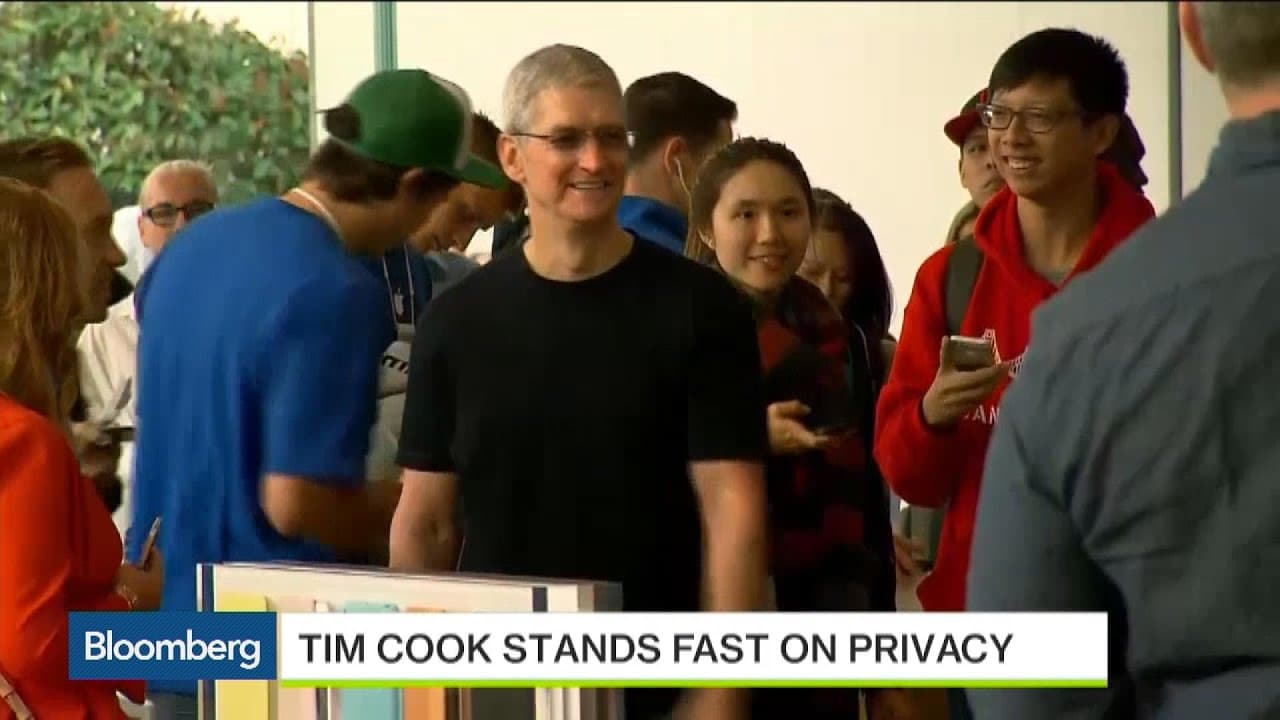
TL;DR
Apple refuses to create backdoors, prioritizing user privacy over government demands.
Transcript
it seems like apple is not bending at all do you think there's a middle ground here not really I mean something is either encrypted or it's not and and what the government has been asking for is the sort of back door that Tim Cook is referring to where Apple would essentially have a key that it could go in and unlock messages um that are sought but... Read More
Key Insights
- Apple maintains a firm stance against creating backdoors in its products, emphasizing the importance of encryption for user privacy.
- Tim Cook argues that creating backdoors would introduce vulnerabilities, potentially exploited by other governments lacking judicial oversight.
- Apple's decision reflects a broader commitment to privacy, which it views as a fundamental technology function crucial for user trust.
- Blackberry CEO John Chen supports limited access for government, arguing that companies should not prioritize reputation over public safety.
- The debate centers around balancing privacy with security, highlighting differing views on technology's role in protecting citizens.
- Tim Cook believes that compromising encryption undermines the fundamental privacy rights of American citizens.
- The global implications of Apple's decision are significant, as other countries could adopt similar measures, impacting international privacy standards.
- The discussion underscores the growing influence of tech companies like Apple in shaping privacy and security policies worldwide.
Install to Summarize YouTube Videos and Get Transcripts
Explore YouTube Video Summarizer or Get YouTube Transcript Extractor
Questions & Answers
Q: What is Apple's stance on creating backdoors in its products?
Apple firmly opposes creating backdoors in its products, as it believes this compromises user privacy and security. Tim Cook emphasizes that encryption is a fundamental technology function, crucial for maintaining user trust and protecting data from unauthorized access. Apple views this as a non-negotiable aspect of its commitment to privacy.
Q: Why does Tim Cook argue against creating backdoors?
Tim Cook argues that creating backdoors would introduce vulnerabilities, potentially exploited by governments lacking judicial oversight. This could lead to a hodgepodge legal landscape globally, undermining the fundamental privacy rights of users. Cook believes encryption should be either for everyone or no one, without exceptions.
Q: What is Blackberry CEO John Chen's perspective on the issue?
Blackberry CEO John Chen supports limited government access to encrypted data, arguing that companies should not prioritize their reputations over public safety. He believes that while privacy is crucial, it should not extend to protecting criminals, highlighting the need for a balanced approach between privacy and security.
Q: How does the debate reflect the balance between privacy and security?
The debate highlights differing views on technology's role in protecting citizens, balancing privacy with security. While Apple prioritizes encryption and user privacy, others, like Blackberry's CEO, advocate for government access in specific cases to ensure public safety. This reflects the complex ethical considerations tech companies face today.
Q: What are the potential global implications of Apple's decision?
Apple's decision could influence other countries to adopt similar privacy measures, impacting international privacy standards. As a major tech company, Apple's stance on encryption and privacy holds significant weight, shaping global policies and the balance between individual privacy rights and public safety concerns.
Q: How does Apple's influence affect privacy and security policies worldwide?
Apple's influence as a leading tech company allows it to shape privacy and security policies on a global scale. Its firm stance on encryption sets a precedent for other nations, potentially leading to widespread adoption of similar privacy measures, thereby impacting international standards and the balance between privacy and security.
Q: Why is the issue of encryption considered fundamental by Apple?
Apple considers encryption fundamental because it is essential for safeguarding user privacy and maintaining trust in its products. Tim Cook believes that compromising encryption would undermine the basic privacy rights of users, making it a critical aspect of Apple's commitment to protecting customer data and security.
Q: What ethical considerations do tech companies face in this debate?
Tech companies face ethical considerations in balancing user privacy with public safety. The debate involves deciding whether to prioritize encryption and privacy or allow government access to data for security purposes. Companies must navigate these complex issues, considering the implications of their decisions on user trust and international privacy standards.
Summary & Key Takeaways
-
Apple is steadfast in its refusal to create backdoors in its products, citing the importance of encryption for safeguarding user privacy and security. Tim Cook argues that introducing such vulnerabilities could be exploited by governments worldwide, potentially compromising user data and trust.
-
The debate between privacy and security is at the forefront, with Blackberry CEO John Chen advocating for government access in certain cases. He criticizes companies prioritizing reputation over public safety, highlighting the complex ethical considerations tech companies face in this digital age.
-
Apple's decision has far-reaching global implications, as other countries may follow suit in adopting similar privacy measures. This underscores the significant role tech giants like Apple play in shaping privacy and security policies, influencing international standards and the balance between privacy and public safety.
Read in Other Languages (beta)
Share This Summary 📚
Summarize YouTube Videos and Get Video Transcripts with 1-Click
Try YouTube Summary with ChatGPT & Claude or YouTube Transcript Generator
Explore More Summaries from Bloomberg Originals 📚






Summarize YouTube Videos and Get Video Transcripts with 1-Click
Try YouTube Summary with ChatGPT & Claude or YouTube Transcript Generator