LIVE coverage of the closing bell
TL;DR
US markets close with NASDAQ at record, focus on banks and politics.
Transcript
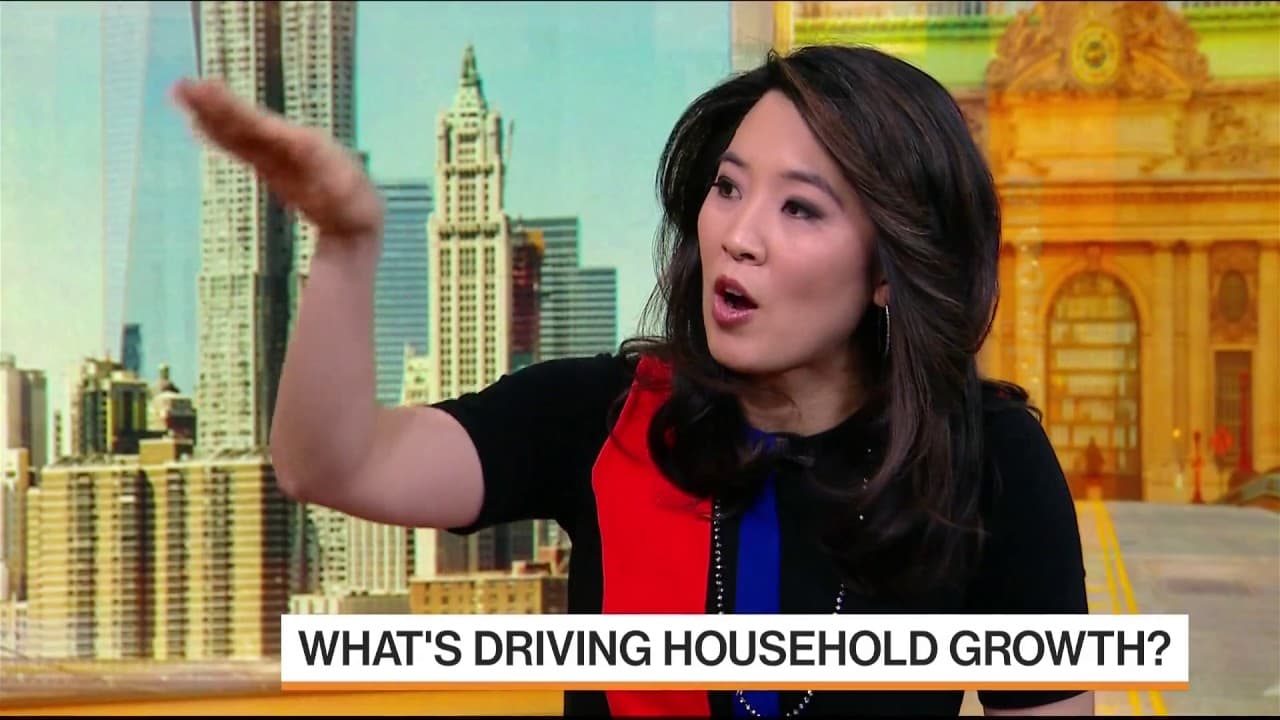
live from Bloomberg's world headquarters in New York I'm Scarlet Foo and I'm Joe weisenthal we're 30 minutes from the close of trading here in the US breaking news the house has enough votes to adopt the budget resolution in fact they have just finished voting and these are house leaders who are approving a measure to enable a swift repeal of Obama... Read More
Key Insights
- The US House has voted to adopt a budget resolution that includes steps to repeal Obamacare, highlighting divisions among Republicans on the replacement plan.
- JP Morgan reported a strong fourth quarter with record earnings, while Wells Fargo saw a decline, indicating mixed results among major banks.
- Donald Trump's upcoming presidency is expected to influence M&A activity, with markets optimistic but uncertain about regulatory changes.
- Consumer confidence surveys show improved sentiment due to stock market gains, despite limited hard economic data changes.
- The correlation between stock and bond markets is shifting, potentially affecting traditional 60/40 investment portfolios.
- China's real estate market remains a concern, with local governments implementing cooling measures to prevent a bubble.
- Twitter faces challenges in monetizing its platform despite President Trump's impactful tweets, with calls for bold strategic moves.
- The S&P 500's rally since the election has raised questions about whether sentiment has become overly optimistic.
Install to Summarize YouTube Videos and Get Transcripts
Explore YouTube Video Summarizer or Get YouTube Transcript Extractor
Questions & Answers
Q: What is the significance of the House vote on the budget resolution?
The House vote on the budget resolution is significant because it includes provisions for repealing Obamacare, a key legislative goal for Republicans. This vote represents an early step in the process and highlights divisions within the party regarding how to replace the healthcare law. The outcome of this process will have implications for healthcare policy and the political landscape in the US.
Q: How did major banks perform in their latest earnings reports?
Major banks reported mixed earnings results in their latest reports. JP Morgan achieved strong fourth-quarter results with record earnings, benefiting from a favorable economic environment. In contrast, Wells Fargo experienced a decline in profits, partly due to ongoing challenges related to its fraudulent account scandal. These mixed results reflect the varying impacts of economic conditions and internal issues on different banks.
Q: What impact is expected from Donald Trump's presidency on M&A activity?
Donald Trump's presidency is expected to influence M&A activity, with markets showing optimism about potential tax reforms and regulatory changes. However, there is uncertainty about how these policies will be implemented and their impact on cross-border and consolidation deals. Companies are likely to wait for more clarity on these factors before making significant M&A decisions, leading to a potentially uneven deal environment.
Q: What trends are observed in consumer confidence surveys?
Consumer confidence surveys have shown improved sentiment, largely driven by gains in the stock market. Respondents report feeling better about their financial situation due to rising asset values and debt reduction. However, this optimism is not fully supported by changes in hard economic data, suggesting that the positive sentiment may be influenced more by market perceptions than by underlying economic fundamentals.
Q: How might changes in stock-bond correlations affect investment portfolios?
Changes in stock-bond correlations could affect traditional 60/40 investment portfolios, which have benefited from low correlations and strong returns in recent decades. As correlations rise, the diversification benefits of such portfolios may diminish, leading to increased volatility and potentially lower returns. Investors may need to explore alternative strategies, such as cross-asset risk premium investing, to achieve desired diversification and return objectives.
Q: What measures are being taken to address concerns in China's real estate market?
Local governments in China are implementing cooling measures to address concerns in the real estate market, such as restrictions on property purchases and lending. These measures aim to prevent a real estate bubble and stabilize the market. However, the effectiveness of these policies is uncertain, as local governments rely heavily on real estate-related revenue, creating a conflict between short-term fiscal needs and long-term market stability.
Q: What challenges does Twitter face in monetizing its platform?
Twitter faces challenges in monetizing its platform despite the influence of President Trump's tweets, which have significantly impacted markets and companies. The platform struggles with issues such as harassment, spam, and strategic direction. To improve its position, Twitter may need to take bold actions, such as enhancing user experience, exploring new revenue streams, and addressing content moderation concerns to attract more users and advertisers.
Q: Is the current stock market rally sustainable, given sentiment levels?
The current stock market rally, driven by optimism following the US election, has raised questions about sustainability due to high sentiment levels. While sentiment indicators suggest increased optimism, actual investment flows have not fully aligned with this sentiment. The divergence between sentiment and flows, along with potential overvaluation concerns, suggests that the rally may face challenges if underlying economic conditions do not support continued growth.
Summary & Key Takeaways
-
US markets closed with the NASDAQ reaching a record high, while the Dow remained relatively unchanged. The banking sector was in focus as major banks like JP Morgan and Wells Fargo reported mixed earnings results. Meanwhile, political developments, including the House vote on Obamacare repeal, continue to influence market sentiment.
-
Consumer confidence has improved, driven by stock market gains, although there are concerns about the sustainability of this optimism. In the bond market, changes in the correlation between stock and bond returns may impact traditional investment strategies, leading to potential adjustments in portfolio allocations.
-
China's real estate market is under scrutiny as local governments implement measures to cool down the market. At the same time, Twitter is facing strategic challenges in leveraging its platform, despite the influence of President Trump's tweets. The overall sentiment in the stock market remains optimistic, but questions about potential overvaluation persist.
Read in Other Languages (beta)
Share This Summary 📚
Summarize YouTube Videos and Get Video Transcripts with 1-Click
Try YouTube Summary with ChatGPT & Claude or YouTube Transcript Generator
Explore More Summaries from Bloomberg Originals 📚






Summarize YouTube Videos and Get Video Transcripts with 1-Click
Try YouTube Summary with ChatGPT & Claude or YouTube Transcript Generator