
Recommended byLarry Summers
About This Book
"Globalization and its Discontents" by Joseph Stiglitz takes a critical look at the impact of globalization on developing nations and the global economy. Stiglitz, a renowned economist and Nobel laureate, argues that while globalization has the potential to create immense opportunities and benefits, it has largely failed to deliver on these promises.
Through his extensive experience as a former Chief Economist at the World Bank, Stiglitz explores the adverse effects of certain policies and practices associated with globalization. He highlights the inequalities perpetuated by globalization, as well as the negative consequences of financial deregulation, free trade agreements, and the IMF's austerity measures.
Stiglitz presents a compelling case against the prevailing neoliberal economic ideology, questioning its effectiveness in addressing global issues such as poverty, inequality, and environmental degradation. He argues that these problems are not inevitable outcomes of globalization but result from conscious policy choices that prioritize the interests of the powerful over the general welfare.
Moreover, the book offers alternative approaches to global capitalism, emphasizing the importance of inclusive growth, democratic governance, and fair global trade rules. Stiglitz showcases successful examples from various countries and offers policy recommendations to promote a more equitable and sustainable global economy.
"Globalization and its Discontents" is a thought-provoking and insightful critique of the negative aspects of globalization as seen from the perspective of a respected economist. It sheds light on the structural flaws in the current global economic system and provides valuable insights for policymakers and concerned citizens alike.
Through his extensive experience as a former Chief Economist at the World Bank, Stiglitz explores the adverse effects of certain policies and practices associated with globalization. He highlights the inequalities perpetuated by globalization, as well as the negative consequences of financial deregulation, free trade agreements, and the IMF's austerity measures.
Stiglitz presents a compelling case against the prevailing neoliberal economic ideology, questioning its effectiveness in addressing global issues such as poverty, inequality, and environmental degradation. He argues that these problems are not inevitable outcomes of globalization but result from conscious policy choices that prioritize the interests of the powerful over the general welfare.
Moreover, the book offers alternative approaches to global capitalism, emphasizing the importance of inclusive growth, democratic governance, and fair global trade rules. Stiglitz showcases successful examples from various countries and offers policy recommendations to promote a more equitable and sustainable global economy.
"Globalization and its Discontents" is a thought-provoking and insightful critique of the negative aspects of globalization as seen from the perspective of a respected economist. It sheds light on the structural flaws in the current global economic system and provides valuable insights for policymakers and concerned citizens alike.
What People Are Saying
More Praise
Larry Summers: "Joe Stigiltz’s Globalization and its Discontents is a book that anyone looking for a rounded set of perspectives on globalization should read. Joe Stiglitz has been one of the world’s leading economic theorists since the 1960s."
Revisit Your Highlights, Deepen Your Understanding
Import your Kindle highlights to review, organize, and share the ideas that matter most to you.
Get the free browser extension
Share This Book
More Books in Economics
View More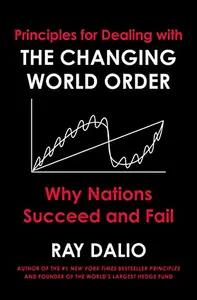
Principles for Dealing With The Changing World Order
Ray Dalio
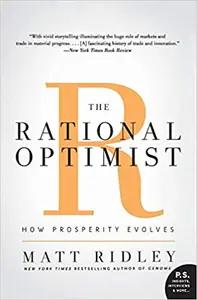
The Rational Optimist
Matt Ridley

The Bitcoin Standard
Saifedean Ammous
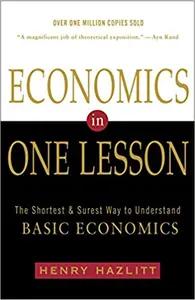
Economics in One Lesson
Henry Hazlitt
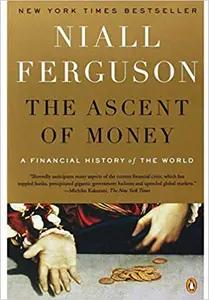
The Ascent of Money
Niall Ferguson

Enlightenment Now
Steven Pinker
The Rise of the Rest
Steve Case

The Road to Serfdom
F.A. Hayek
The Wealth of Nations
Adam Smith
Capital In The 21st Century
Thomas Piketty

Check Your Financial Privilege
Alex Gladstein
Dealing with China
Henry Paulson

Debt
David Graeber
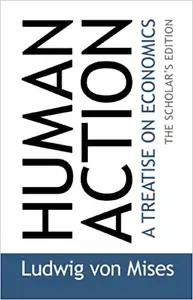
Human Action
Ludwig Von Mises
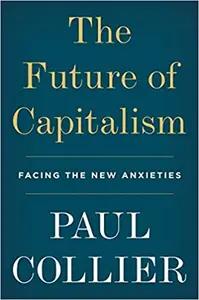
The Future of Capitalism
Paul Collier

The Prize
Daniel Yergin
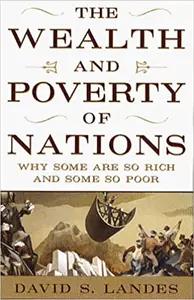
The Wealth and Poverty of Nations
David Landes

Thinking In Systems
Donella H. Meadows
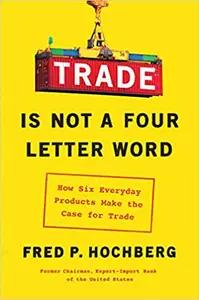
Trade Is Not A Four Letter Word
Fred Hochberg
Why Nations Fail
Daron Acemoglu
A Great Leap Forward?
John Mauldin & Worth Wray

A Guide To Econometrics
Peter E. Kennedy
Adaptive Markets
Andrew Lo

Age Of Ambition
Evan Osnos

An Apology for the Builder
Nicholas Barbon
Broken Money
Lyn Alden

Bureaucracy
Ludwig Von Mises
Capitalism Without Capital
Jonathan Haskel & Stian Westlake

Central Banking 101
Joseph Wang
Complexity and the Economy
W. Brian Arthur
Popular Books Recommended by Great Minds 📚
Sapiens
Yuval Noah Harari
The Hard Thing About Hard Things
Ben Horowitz
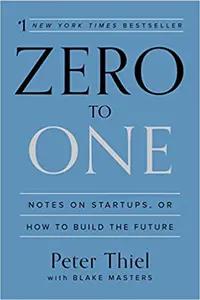
Zero to One
Peter Thiel
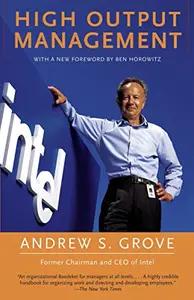
High Output Management
Andrew Grove

Principles
Ray Dalio

Shoe Dog
Phil Knight

Snow Crash
Neal Stephenson

Meditations
Marcus Aurelius
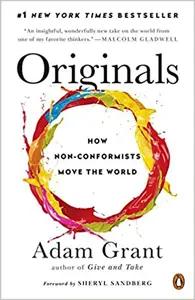
Originals
Adam Grant

Poor Charlie's Almanack
Charlie Munger

The Innovators Dilemma
Clayton Christensen
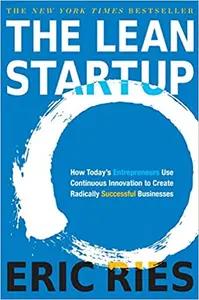
The Lean Startup
Eric Reis
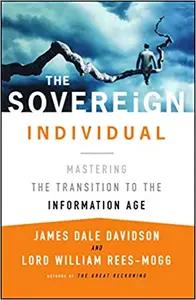
The Sovereign Individual
James Dale Davidson & William Rees-Mogg
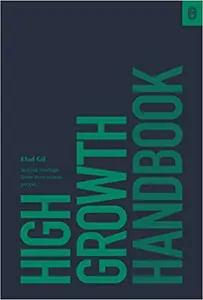
High Growth Handbook
Elad Gil
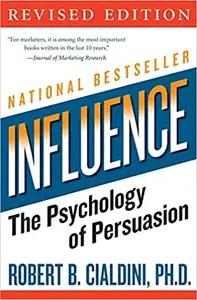
Influence
Robert Cialdini
Principles for Dealing With The Changing World Order
Ray Dalio

Rework
Jason Fried

Surely You're Joking Mr. Feynman
Richard Feynman
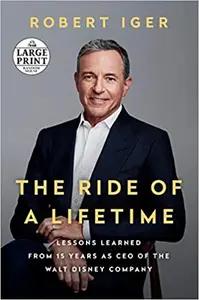
The Ride of a Lifetime
Bob Iger

The Three Body Problem
Cixin Liu
Thinking, Fast and Slow
Daniel Kahneman
7 Powers
Hamilton Helmer

Antifragile
Nassim Nicholas Taleb
Atlas Shrugged
Ayn Rand
Blitzscaling
Reid Hoffman

Dune
Frank Herbert

Foundation
Isaac Asimov
Good To Great
Jim Collins

Hopping Over The Rabbit Hole
Anthony Scaramucci

Man's Search for Meaning
Viktor Frankl