4. Parts of the Soul II

TL;DR
Psychological research often suffers from sampling bias, leading to inaccurate conclusions about human nature. It is important to recognize the influence of alief, or the propensity to respond to apparent stimuli, in understanding human behavior.
Transcript
PROFESSOR: So what I would like you to do is to answer the following question. "Do you have..?" oh, now wait a second -- this says polling closed. Let's see whether we can get polling to open. Do you...?" -No, that didn't work. Oh, this is the most desperately horrible thing that I've ever had happen. OK. Current slide. I've had horrible things hap... Read More
Key Insights
- 🥺 Sampling bias is a significant issue in psychological research, leading to inaccurate conclusions about human nature.
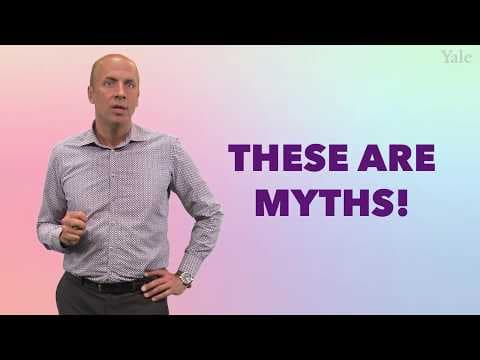
- 😒 The use of WEIRD individuals as the sample population in research limits the generalizability of findings.
- 👨🔬 Recognizing the influence of alief is crucial in understanding human behavior and overcoming biases in research.
Install to Summarize YouTube Videos and Get Transcripts
Explore YouTube Video Summarizer or Get YouTube Transcript Extractor
Questions & Answers
Q: What is sampling bias in psychological research?
Sampling bias occurs when the sample population used in a study does not accurately represent the larger population, leading to biased and inaccurate conclusions about human nature.
Q: How does sampling bias relate to the concept of alief?
Sampling bias is an example of how alief, or the propensity to respond to apparent stimuli, can influence research findings. Researchers may unintentionally select samples that reinforce their preconceived notions, leading to biased results.
Q: Why is the use of WEIRD individuals in psychological research problematic?
The use of WEIRD individuals as the sample population in psychological research limits the generalizability of findings and may not accurately represent the behaviors and attitudes of the wider population. This reliance on a specific subset of the population can skew research results.
Q: How can recognizing alief improve psychological research?
Recognizing alief allows researchers to understand that individuals may have automatic or habitual responses to apparent stimuli, even if these responses conflict with their beliefs. By acknowledging and considering the influence of alief, researchers can gain a deeper understanding of human behavior.
Summary & Key Takeaways
-
Sampling bias is a dangerous mistake in psychological research, leading to inaccurate conclusions about the general population.
-
The article highlights the use of Western, educated, industrialized, rich, and democratic (WEIRD) individuals as the sample population, resulting in biased findings about human nature.
-
The same bias can also be found in classical texts, such as Plato and Aristotle's observations of human nature based on the people around them.
-
The lecture emphasizes the need to be attentive to the limitations of research findings and the importance of recognizing alief, or the propensity to respond to apparent stimuli, in understanding human behavior.
Read in Other Languages (beta)
Share This Summary 📚
Summarize YouTube Videos and Get Video Transcripts with 1-Click
Try YouTube Summary with ChatGPT & Claude or YouTube Transcript Generator
Explore More Summaries from YaleCourses 📚



Summarize YouTube Videos and Get Video Transcripts with 1-Click
Try YouTube Summary with ChatGPT & Claude or YouTube Transcript Generator