What Is the Role of Remixing in Creativity?
TL;DR
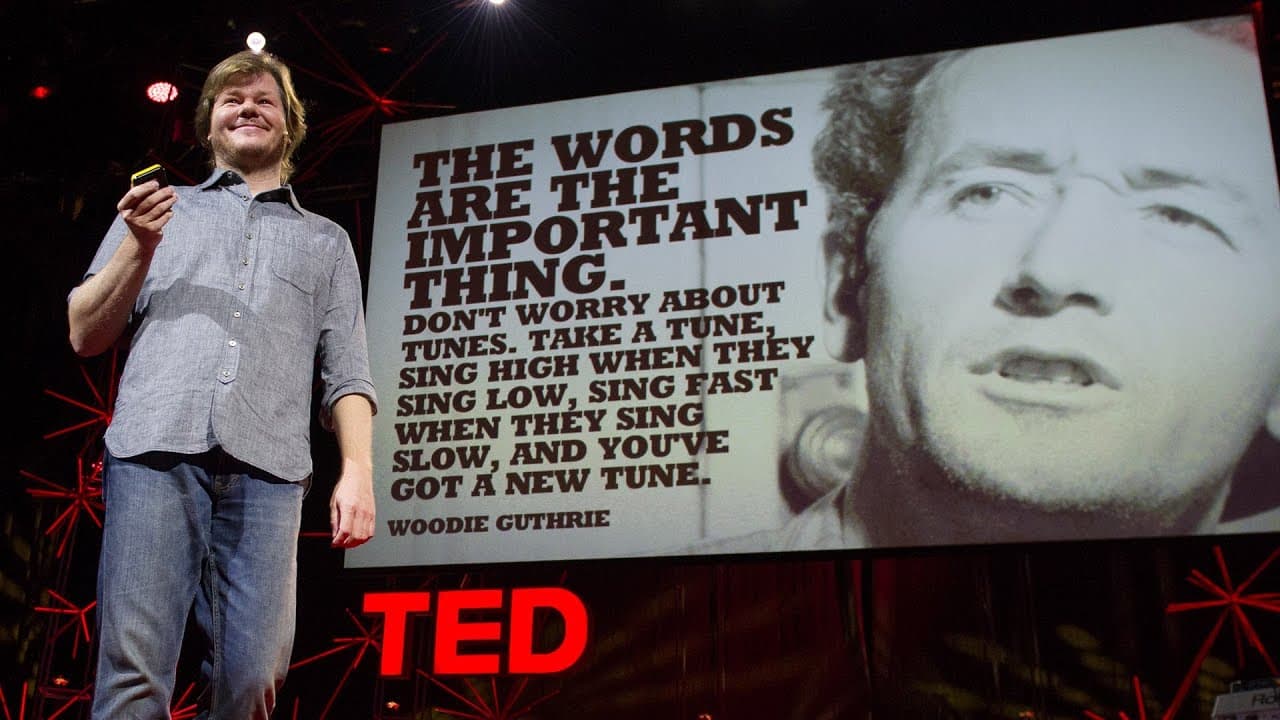
Remixing is fundamental to creativity, as it involves copying, transforming, and combining existing ideas to create something new. This concept challenges traditional views of originality and highlights how many creative works, including Bob Dylan's songs, are derived from earlier influences. However, copyright and patent laws often hinder progress by treating creative works as property, which contradicts the collaborative nature of artistic innovation.
Transcript
Translator: Joseph Geni Reviewer: Morton Bast We're going to begin in 1964. Bob Dylan is 23 years old, and his career is just reaching its pinnacle. He's been christened the voice of a generation, and he's churning out classic songs at a seemingly impossible rate, but there's a small minority of dissenters, and they claim that Bob Dylan is stealing... Read More
Key Insights
- 🎵 The concept of remixing is not just limited to music, but can be applied to all forms of creativity and innovation.
- 👥 Bob Dylan, like many folk singers, borrowed melodies and transformed them to create new songs.
- 🎶 Two thirds of Dylan's early songs were borrowed from existing traditional folk tunes.
- 🔑 American copyright and patent laws often contradict the notion of building on the work of others and hinder progress.
- 🖥️ Apple's introduction of multi-touch technology was not entirely new but built on previous work by other researchers.
- 📝 Patent laws can stifle innovation by granting ownership of basic ideas and small details that should be freely available.
- 🔒 The contradiction between "stealing" and protecting one's own ideas reveals a cognitive bias and aversion to perceived loss.
- ⚖️ Laws treating creative works as property, along with massive rewards and legal fees, contribute to an environment of lawsuits rather than promoting progress.
Install to Summarize YouTube Videos and Get Transcripts
Explore YouTube Video Summarizer or Get YouTube Transcript Extractor
Questions & Answers
Q: What is remixing?
Remixing is the process of taking existing songs, chopping them up, transforming the pieces, and combining them back together to create a new song.
Q: What techniques are used in remixing?
The three techniques used in remixing are copy, transform, and combine. A remixer takes existing songs, copies elements from them, transforms those elements, and then combines them to create a new song.
Q: What is the connection between remixing and creativity?
According to the video, remixing is not just the components of remixing itself, but the basic elements of all creativity. It suggests that everything is a remix and that these techniques are a better way to conceive of creativity.
Q: Can you provide examples of how artists have used remixing in their work?
The video gives the example of Bob Dylan, who borrowed melodies from traditional folk tunes and combined them with his own lyrics to create new songs. It also mentions Danger Mouse's "The Grey Album," which remixed the Beatles' "White Album" and Jay-Z's "Black Album" to create a new album.
Q: How does copyright law affect remixing?
Copyright and patent laws, the video argues, run counter to the idea of remixing and building on the work of others. These laws treat creative works as property and often lead to legal disputes and restrictions on remixing. The video suggests that these laws may hinder the progress of useful arts.
Q: Why do some artists have a problem with being remixed?
The video suggests that artists may have a strong predisposition towards protecting what they feel is theirs. They may have a fear of perceived loss and may not want others to copy or remix their work, even though they themselves may have borrowed or been influenced by other artists.
Summary & Key Takeaways
-
Bob Dylan's early songs were often borrowed from traditional folk tunes, which is a common practice among folk singers.
-
Copyright and patent laws often contradict the idea that creativity is built upon the work of others, treating creative works as property instead.
-
The current legal landscape surrounding intellectual property may not be promoting the progress of useful arts, with lawsuits and patent disputes becoming increasingly prevalent.
Read in Other Languages (beta)
Share This Summary 📚
Summarize YouTube Videos and Get Video Transcripts with 1-Click
Try YouTube Summary with ChatGPT & Claude or YouTube Transcript Generator
Explore More Summaries from TED 📚
Summarize YouTube Videos and Get Video Transcripts with 1-Click
Try YouTube Summary with ChatGPT & Claude or YouTube Transcript Generator