BiggerNews February: Housing Market "Yellow Flags" to Watch

TL;DR
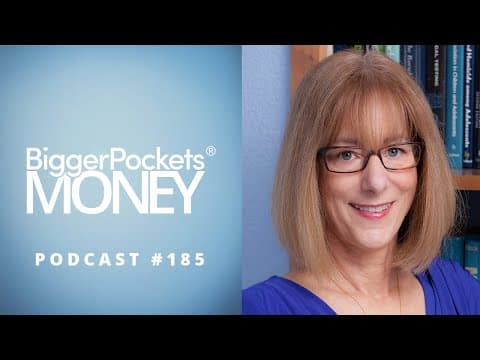
In this podcast episode, Ivy Zelman, a prominent figure in housing market analysis, joins David Greene and Dave Meyer to discuss the current state of the housing market. The conversation delves into potential 'yellow flags' indicating market changes, supply chain issues, and overbuilding concerns. Zelman, known for predicting the 2007 crash, offers insights into the factors affecting prices and demand, emphasizing the importance of data-driven decisions for investors.
Transcript
this is the biggerpockets podcast show 568. well we were we were bullish from 2012 to really 2020 the the end of 2020 when we started seeing the momentum that we just didn't think was sustainable so you know we we're not looking to be bearish but we do see a cautionary number of yellow flags that we need to continue to monitor what's going on every... Read More
Key Insights
- Ivy Zelman, known for predicting the 2007 housing crash, shares insights on the current market, highlighting potential 'yellow flags' and emphasizing data-driven analysis.
- The podcast discusses how supply chain issues and overbuilding could impact housing prices and market stability, urging investors to stay informed.
- Zelman challenges the narrative of a housing shortage, citing demographic trends and slowed population growth as factors that might mitigate demand.
- The conversation highlights the role of government stimulus and interest rates in shaping the housing market, with potential risks as these factors change.
- Zelman advises caution for investors, suggesting that while there may be opportunities, it's crucial to consider market dynamics and potential risks.
- The episode explores the impact of investor activity on housing prices, with concerns about speculative buying and its effect on affordability.
- Zelman emphasizes the importance of understanding local market conditions, as overbuilding in certain areas could lead to price corrections.
- The discussion touches on the potential for a recession and its implications for the housing market, urging investors to be prepared for economic shifts.
Install to Summarize YouTube Videos and Get Transcripts
Explore YouTube Video Summarizer or Get YouTube Transcript Extractor
Questions & Answers
Q: What are the main 'yellow flags' in the housing market according to Ivy Zelman?
Ivy Zelman identifies several 'yellow flags' in the housing market, including supply chain issues, overbuilding, and a potential mismatch between supply and demand. She points out that demographic trends, such as slowed population growth, may not support the perceived housing shortage, and emphasizes the importance of monitoring these factors closely.
Q: How does Ivy Zelman view the impact of government stimulus on the housing market?
Ivy Zelman explains that government stimulus, particularly low interest rates and mortgage-backed securities purchases, has artificially kept rates low, boosting housing demand. However, as these measures are pulled back, she warns of potential impacts on affordability and market stability, urging caution as the market adjusts to changing economic conditions.
Q: What advice does Ivy Zelman offer to real estate investors in the current market?
Ivy Zelman advises real estate investors to be cautious and informed, emphasizing the importance of understanding local market conditions and potential risks. She suggests that while there may be opportunities, investors should consider the impact of overbuilding and demographic trends, and be prepared for economic shifts, such as changes in interest rates or a potential recession.
Q: Why does Ivy Zelman challenge the narrative of a housing shortage?
Ivy Zelman challenges the housing shortage narrative by highlighting demographic trends, such as slowed population and household growth, which may not support the perceived demand. She argues that some analyses overlook the rate of change in these factors, leading to misconceptions about the need for new housing, and stresses the importance of considering these dynamics.
Q: What role does investor activity play in the current housing market, according to Ivy Zelman?
Ivy Zelman notes that investor activity, including speculative buying and institutional investments in build-for-rent strategies, is driving up housing prices and affecting affordability. She cautions that this could lead to market imbalances, especially in areas with significant new construction, and advises investors to be mindful of the potential risks associated with such activity.
Q: How does Ivy Zelman view the potential for a recession and its impact on the housing market?
Ivy Zelman expresses concern about the potential for a recession, noting that the Federal Reserve's tools to stimulate the economy are limited after extensive use during the pandemic. She warns that a recession could impact housing demand and investor confidence, and stresses the importance of being prepared for economic shifts, particularly in terms of liquidity and job security.
Q: What does Ivy Zelman say about the impact of interest rates on housing affordability?
Ivy Zelman explains that rising interest rates, as government stimulus is reduced, could impact housing affordability by increasing mortgage costs. She notes that this could disincentivize existing homeowners from selling and make it harder for new buyers to enter the market, potentially slowing down real estate transactions and affecting overall market dynamics.
Q: What demographic trends does Ivy Zelman highlight as influencing the housing market?
Ivy Zelman highlights several demographic trends, including slowed population and household growth, delayed family formation, and increased multi-generational living. She points out that these factors contribute to a more cautionary outlook for housing demand, challenging the narrative of a significant housing shortage and emphasizing the need to consider these trends in market analyses.
Summary & Key Takeaways
-
Ivy Zelman discusses the current housing market, highlighting potential risks such as supply chain issues and overbuilding. She emphasizes the importance of data-driven decisions for investors.
-
The podcast explores the impact of government stimulus and interest rates on the housing market, with Zelman challenging the narrative of a housing shortage based on demographic trends.
-
Zelman advises investors to exercise caution, considering local market conditions and potential economic shifts, while highlighting the role of investor activity in driving prices.
Read in Other Languages (beta)
Share This Summary 📚
Summarize YouTube Videos and Get Video Transcripts with 1-Click
Try YouTube Summary with ChatGPT & Claude or YouTube Transcript Generator
Explore More Summaries from BiggerPockets 📚



Summarize YouTube Videos and Get Video Transcripts with 1-Click
Try YouTube Summary with ChatGPT & Claude or YouTube Transcript Generator